
Homepage
Local
Springfield mayoral candidates raise concerns over water projects
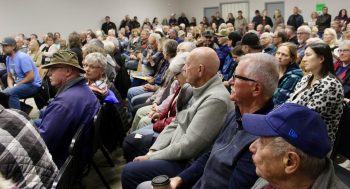
2 minute read 5:07 PM CDTTwo mayoral candidates in the Rural Municipality of Springfield, Margaret Marion-Akins and Edwin Giesbrecht, raised concerns about the municipality’s water and wastewater plans in an election forum on Oct.13 at Dugald Community Club.
All four candidates, Marion-Akins, Giesbrecht, Melinda Warren and Daniel Page, attended the forum organized by the Springfield Chamber of Commerce. Springfield-Ritchot MLA Ron Schuler was the moderator, and about 180 people were present.
Springfield will be getting a new mayor as current Mayor Patrick Therrien is not running for a second term.
Candidates answered pre-prepared and audience-submitted questions. The questions included infrastructure, economic growth, safety and other concerns.
Advertisement
Weather
Steinbach MB
-3°C, Cloudy
Local
COLUMN: Viewpoint – Voting is a privilege
4 minute read 2:24 PM CDTMunicipal elections are less than a week away. Only 16.9 percent of eligible Steinbach area citizens voted in the last election. That’s disconcerting. Winnipeg had 37.5 percent of voters show up. Certainly nothing to be proud of either.
Having the right to vote for leaders who make vital decisions about our local communities is a gift. If I start feeling blasé about voting I remember how hard suffragettes in the early 1900s worked to earn the right for me to vote, and how much more work was needed for racial minorities to gain the same right. To not bother voting is a sacrilege, when others sacrificed so much to earn that privilege for us.
Municipal elections may not seem as consequential as federal or provincial elections, but they can affect many people. I personally know Steinbach residents whose homes have flooded repeatedly. They need local government leaders who advocate boldly for them, address their concerns in concrete, substantial ways and offer help and restitution.
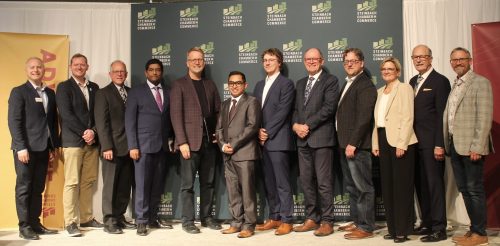
A recent forum in Steinbach, led by respected local professionals, gave city council candidates an opportunity to hear concerns, and express their views about important issues. The CBC reported none of the incumbent councillors running for office, showed up. According to friends in attendance at Steinbach’s Pride Parade, no council members were there either. They missed an opportunity to build bridges with Premier Wab Kinew, who spoke at the event. This is regrettable, since provincial funding is vital to the city’s welfare. Have incumbent council members provided legitimate reasons for their absences?

Local
All 10 Steinbach council candidates face voters at election forum
3 minute read Preview 11:32 AM CDTLocal
COLUMN: Tales from the Gravel Ridge – Rural women of my Rosengard childhood
4 minute read Preview 8:15 AM CDTLocal
Manslaughter charge in death of chef stayed because conviction unlikely: Crown
2 minute read Preview Yesterday at 5:05 PM CDTLocal
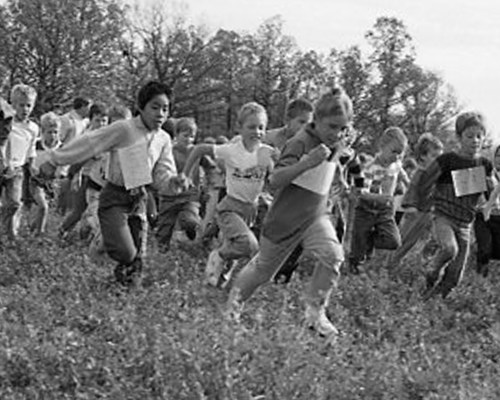
SPORTS FLASHBACK 1988: 1,200 students at cross-country run
2 minute read Preview Yesterday at 5:00 PM CDT
Local
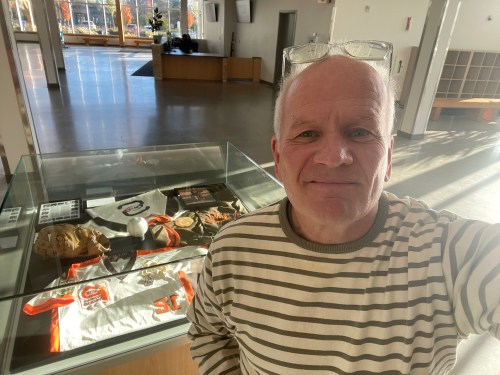
The A&W Pacers exhibit at the Steinbach Sports Heritage Gallery
4 minute read Preview Yesterday at 12:00 PM CDTLocal
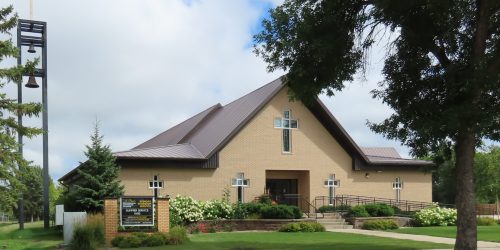
1946 – 2026 Watching Steinbach Grow: Evangelical Lutheran churches merge
2 minute read Preview Yesterday at 11:24 AM CDTLocal
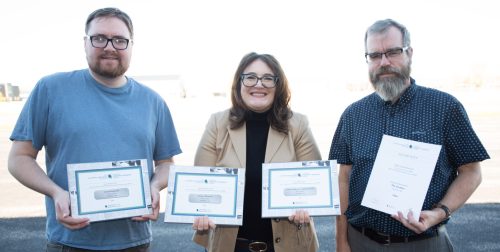
Award-winning The Carillon wins first place awards in national news competition
3 minute read Preview Yesterday at 8:09 AM CDTLocal
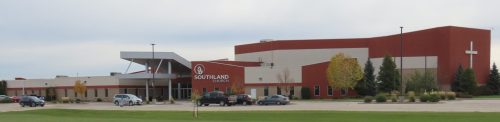
1946 – 2026 Watching Steinbach Grow: When you come they will build it
5 minute read Preview Saturday, Oct. 24, 2026Local
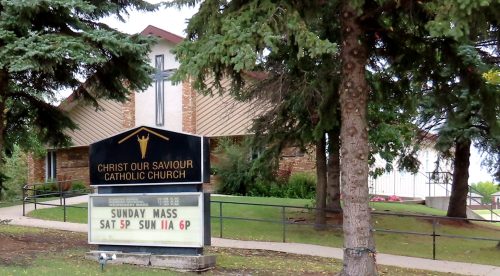
1946 – 2026 Watching Steinbach Grow: Catholic church gets warm welcome
3 minute read Preview Saturday, Oct. 24, 2026
Local
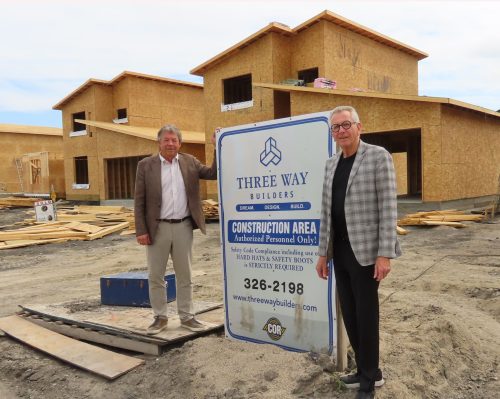
Developer asks council to reconsider fee policy regarding greenspaces
5 minute read Preview Saturday, Oct. 24, 2026Local
COLUMN: Report from the Legislature – An eventful start to the fall session
4 minute read Saturday, Oct. 24, 2026It has certainly been an eventful month since my last column. A lot has happened and a lot has changed.
The biggest change… I’m the new leader of the PC Party and Manitoba’s Official Opposition.
Back on Sept. 28, Obby Khan resigned as leader. I want to thank Obby for his service and wish him all the best.
I was deeply honoured to be unanimously supported by our PC Caucus, and grateful to the many Manitobans, including constituents, who have reached out with messages of support. Most of all, I am grateful to my family for supporting me.
LOAD MORE HOMEPAGE ARTICLES