
HSD decides no cell phones for K-8 classes
Advertisement
Hey there, time traveller!
This article was published 13/06/2024 (659 days ago), so information in it may no longer be current.
The Hanover School Division has decided to not allow cell phones in K-8 schools.
“One of our middle schools decided to try being cell phone free so that’s a 5 to 8 school. (There was) lots of communication with the parents and PAC (Parent Advisory Committee) and they were all in favour of trying it and it’s been a real success and they were able to share that success with other middle schools. So for September for kindergarten to Grade 8 would be cell phone free schools,” said superintendent Shelley Amos.
It was at the beginning of the school year in 2023 that Stonybrook Middle School principal Rita Rebizant met with her teachers and PAC to brainstorm how to better the mental health of her students, how to make then engage more with their peers and learning in the classroom. They decided that the answer lay in banning cell phones in the school.
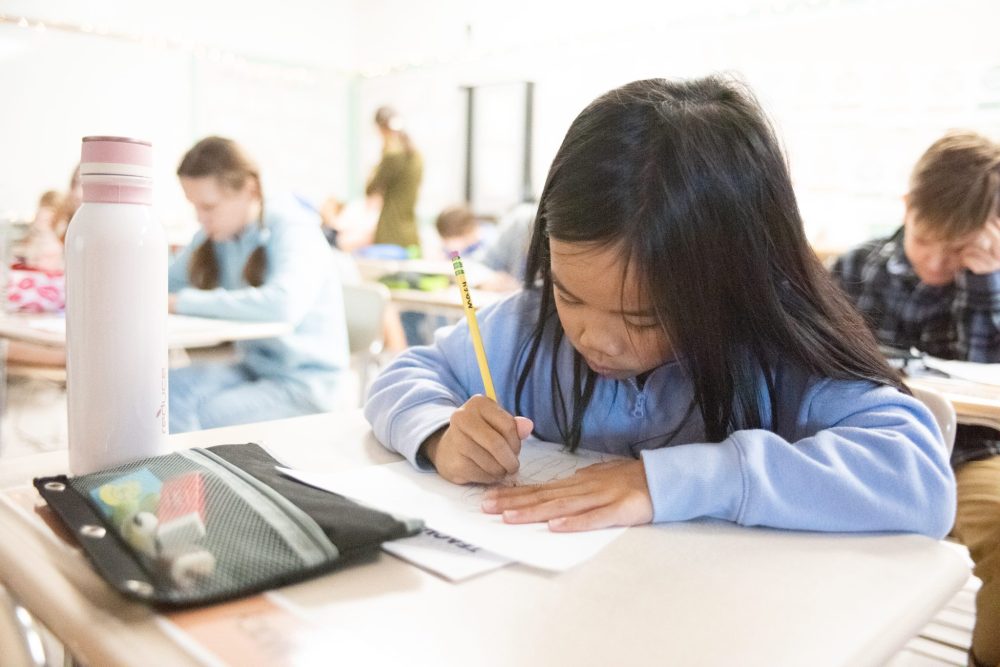
“We’ve had very good buy in and support from our families and our teachers have noticed significant improvement,” said Rebizant. “Our guidance counsellors were not dealing with the online bullying and the things that go on online because it’s not happening at the school anymore. If something happens online then the students are having those conversations with their parents it’s been very helpful.”
The American Psychological Association reports that spending more time on smartphones is associated with young people in Grades 8, 10, and 12 being less happy and less satisfied with life.
Studies in Spain and Norway found benefits in banning mobile phones. In Spain, grades improved and bullying incidents decreased. In Norway, the ban raised middle school students’ grade-point averages and their likelihood of attending academic high schools while reducing bullying, and these benefits were also seen at Stonybrook.
The school has noticed more social engagement between students, being able to have a conversation with someone face to face and not be afraid, not leaving class to have bathroom cell phone breaks, counsellors are reporting less missed classes, overall happiness, and academically they’re more engaged.
“I think the biggest thing is that for kids the distractibility of having a phone on them and feeling a vibration every time someone sends a Snap Chat or posts on Instagram or likes something they’ve done, they don’t have that constant distraction,” she said.
A 2023 UNESCO report states that students might take as much as 20 minutes to regain focus after being distracted by technology such as a cell phone. Further, one in seven countries globally, such as the Netherlands and France, have banned the use of smartphones in school and academic performance improved, particularly for low-performing students.
“I just think it’s healthy for kids to be kids and to be able to play and engage in positive ways. And that is where we’ve seen the greatest growth with our kids,” said Rebizant.
Amos said that no changes will be made in the Grade 9 to 12 schools.