
Niverville church concert creates space for Indigenous reconciliation
Advertisement
Wallace McKay remembers being seven-years-old in a residential school and watching his classmate berated and beaten for not having his shoelaces tied.
“To get beaten up because you didn’t tie your shoelaces is just wrong, the Grand Chief emeritus for Nishnawbe Aski Nation said. “We have memories like that happened to a lot of kids. It damaged us.”
McKay was taken away from his home in Sachigo Lake First Nation in Northern Ontario at five-years-old to attend a residential school more than 400 kilometres away. He spent 11 years at residential schools in Sioux Lookout and Sault Ste Marie.
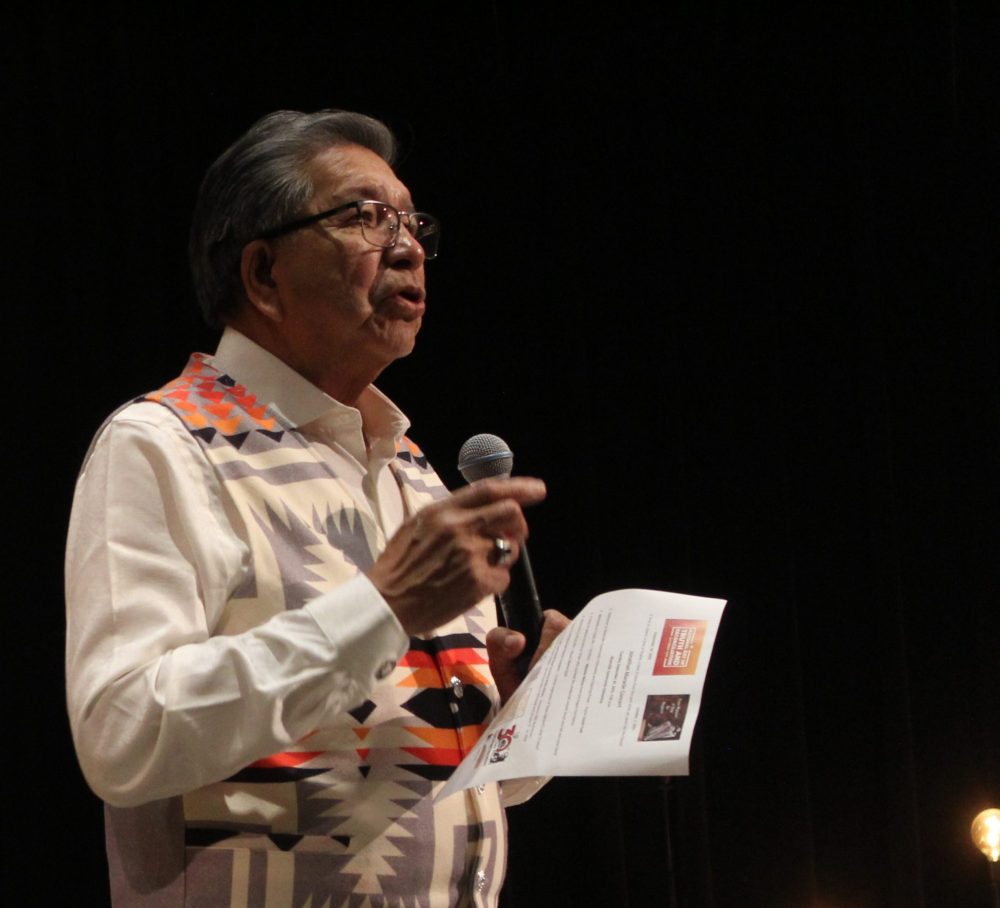
McKay, who now lives in Winnipeg, shares his story often to show others that residential school trauma can’t be ignored.
Niverville Community Fellowship church hosted a Truth and Reconciliation concert with Indigenous artists on Sept. 30. Gifts were exchanged between Indigenous leaders and songs were played that discussed the pain experienced and the healing that must happen. The event also included a dance presentation by Prairie Soul Dance Company.
Reconcilation won’t be an instant process because the damage caused by residential schools still lingers for Indigenous communities, McKay said.
He said events like the concert serve the purpose of creating spaces for reflection on Canada’s “dark history” and for finding ways to bring healing.
“We need to be able to do it together,” he said. “I as an Indigenous person am not tasked to make you feel better. It’s for us to understand each other.”
McKay said the Truth and Reconciliation Commission of Canada’s 94 calls to action are the basis for moving towards reconciliation.
Jonathan Maracle, a musician from Tyendinaga Mohawk Territory in Ontario, said he had to renounce his Mohawk heritage to attend a church. To continue being part of that religious community, Maracle said he was forced to legally change the Indigenous names of his children.
“I was thinking that God doesn’t love me unless I give up being Mohawk,” he said. “How do you be something that you’re not?”
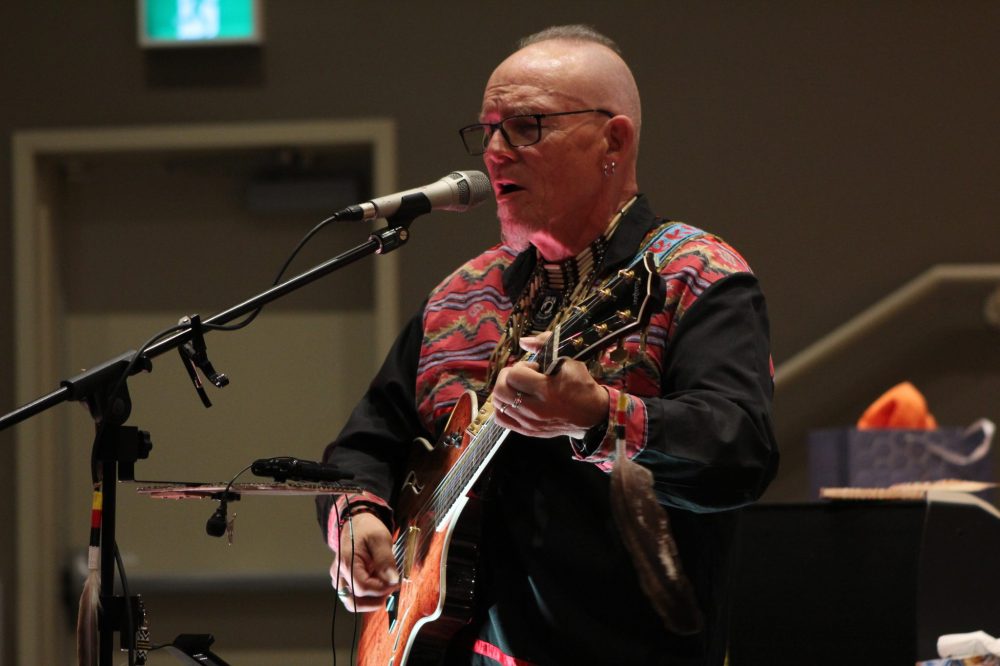
Maracle said the point of his music is to show others the context that he and other Indigenous people have grown up in.
He said the discovery of 215 graves at a residential school in Kamloops in 2021 changed everything for truth and reconciliation.
“Schools aren’t a place for children to be buried. It’s a place where children are supposed to be learning and growing,” Maracle said.
That moment was a turning point for all Canadians when realizing the scope of the horrors Indigenous people experienced, he said. While the 94 calls to action were relatively dormant, the discovery triggered more urgency for action, Maracle said.
He said people need to ask for forgiveness for the harms caused because that will help continue the rebuilding of trust and relationship with Indigenous communities.