
‘We need help’: resident, animal shelter president share flood impacts at Steinbach council
Advertisement
Hey there, time traveller!
This article was published 25/10/2025 (272 days ago), so information in it may no longer be current.
Residents stepped up to the Steinbach council podium on Tuesday for the first time since September’s flooding, searching for answers on sewage backups and drainage ditch maintenance.
People packed city hall to hear delegations, with 42 people filling up the 13-seat gallery and overflowing into the lobby. Some sat on the council chamber’s floor.
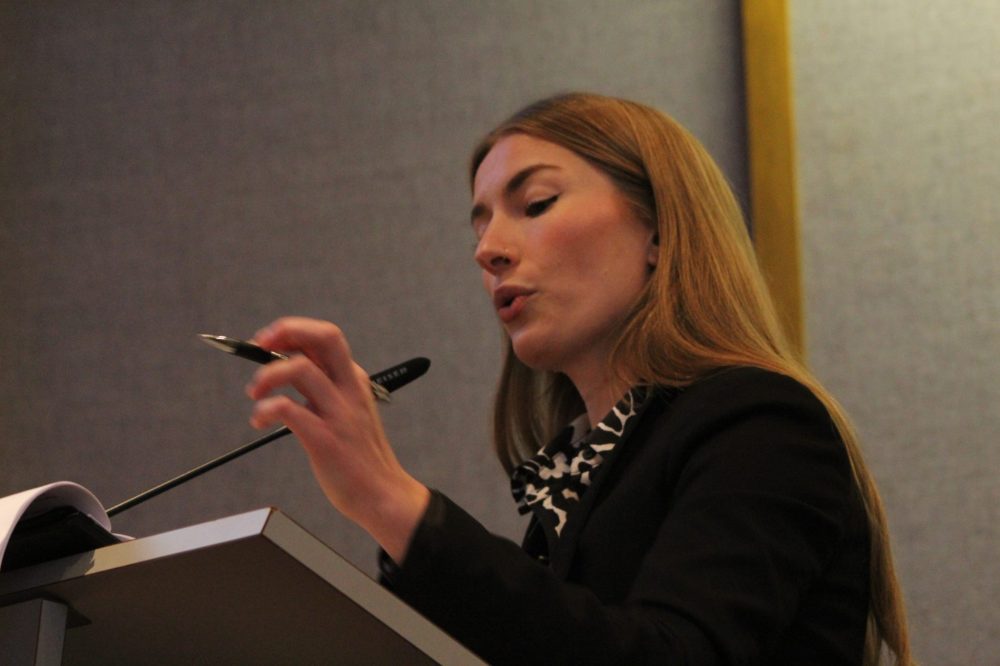
Meg Robinson, a Georgetown resident, told council she’s lived through five sewage backups, and she’s not alone. She’s worried the existing sewage system built in 1988 isn’t able to service the rising number of homes in the neighbourhood.
“We do not sleep at night when we hear rain, and we are unable to live our lives when rain is forecast,” Robinson said.
Steinbach saw 134.6 millimetres of rain overnight from Sept. 11 to 12, according to an Environment Canada volunteer’s measurement. That’s the same as two-months worth of showers pouring in a couple hours.
Overwhelming rain also caused flooding in Steinbach in September 2024, when 150 mm dumped over 72 hours.
Robinson said her neighbourhood’s sewer system was designed to handle 150 in the area, citing city planning documents. But multiple developments were tied into the line, including apartment buildings and the Steinbach Aquatic Centre.
As more developments were added, Robinson said her neighbourhood flooded with sewage for the first time in 2002.
“We don’t know if it was ever meant to handle as much,” she said. “Again, we are not engineers. We are just citizens that are trying to figure out this nightmare and get help from the city.”
Robinson surveyed 83 homeowners following last month’s flood and found 69 percent had sewage backup. She said both her and other neighbours do all the precautions they can, such as regular sump pump maintenance and upgrades, but still get sewage backing up.
“We don’t know what else we can possibly do. If we did, we would surely do it,” she said.
Because she and others have had multiple sewage backups, insurance coverage has become more difficult and more people are having to pay out of pocket for repairs, Robinson said. Some of the repair costs can reach up to $100,000 per household for each sewage backup, she said.
Steinbach city administration asked property owners in September to track rainfall damages and submit assessments to the province in hopes of qualifying for Manitoba’s Disaster Financial Assistance program. In 2024, the city made the same request, but the province denied it.
She’s worried the Steinbach’s planned sewer upgrades won’t address the reoccurring backup issues in her neighbourhood.
In February, Steinbach announced $6.6 million in sewage upgrades, including lift station upgrades and over three kilometres of new sewage main piping.
“We are wondering if our 1988 Georgetown sewer system is always overloaded and just rears its ugly head whenever there is a significant rainfall,” she said.
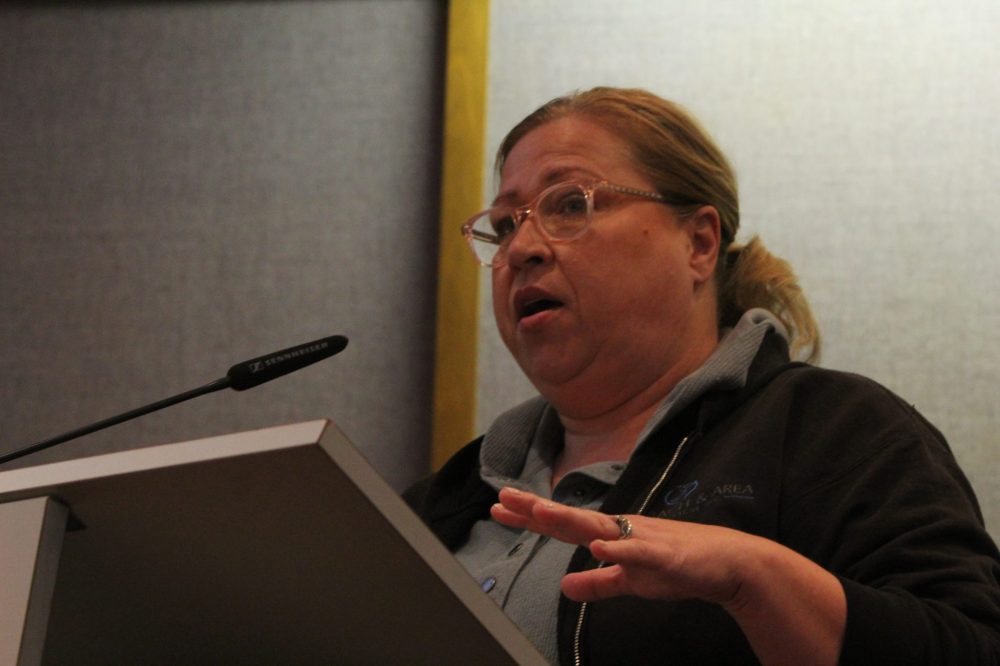
Michelle Neufeld, president of the Steinbach and Area Animal Rescue, raised concerns to council about how the lack of creek maintenance causes frequent overflowing when there’s rain.
“It’s continuously full of brush, weeds and debris, and it restricts water flow. Even modest rainfall causes the creek to back up,” she told council.
September’s storm marked the second year in a row the animal shelter was flooded. Neufeld said the non-profit has spent thousands of dollars to grade the property, build berms and improve drainage, yet the creek continues flooding the building.
“Berms and grading cannot make up for the nearby creek that cannot carry water away because it’s choked with vegetation and debris,” she said.
She asked council to clear out the creek’s culverts, assess the size of the creek and create a regular creek maintenance schedule. The shelter’s insurance is up for renewal in November, and it’s at risk of being refused coverage if there’s no plan to fix the problem, Neufeld said.
Coun. Susan Penner said when there were heavy rainfall warnings roughly three weeks ago, her family couldn’t sleep and her son brought his belongings out of the basement. Her basement has flood twice before, she said.

Penner said action needs to be taken by next spring to better protect people.
“Safety doesn’t just involve crime. We need safety from water too in this situation, and to have a neighborhood that has PTSD from consistent flooding is not acceptable,” said Penner.
Mayor Earl Funk acknowledges that many residents are frustrated following the flooding, especially when homes and businesses are damaged.
He said the city is working on a storm water investigation report that will be ready in November, which will take resident concerns into account.
“That will give us a good idea of what can be done immediately,” Funk said, noting the city’s upcoming climate adaption plan in May 2026 will offer long-term fixes.
He said the province will provide an answer in roughly two to three weeks on whether the city qualifies for disaster relief funding.