
COLUMN: Carillon Flashback March 6, 1985 – 31 years in Canada for IDC dairy farmer
Advertisement
Hey there, time traveller!
This article was published 14/11/2025 (255 days ago), so information in it may no longer be current.
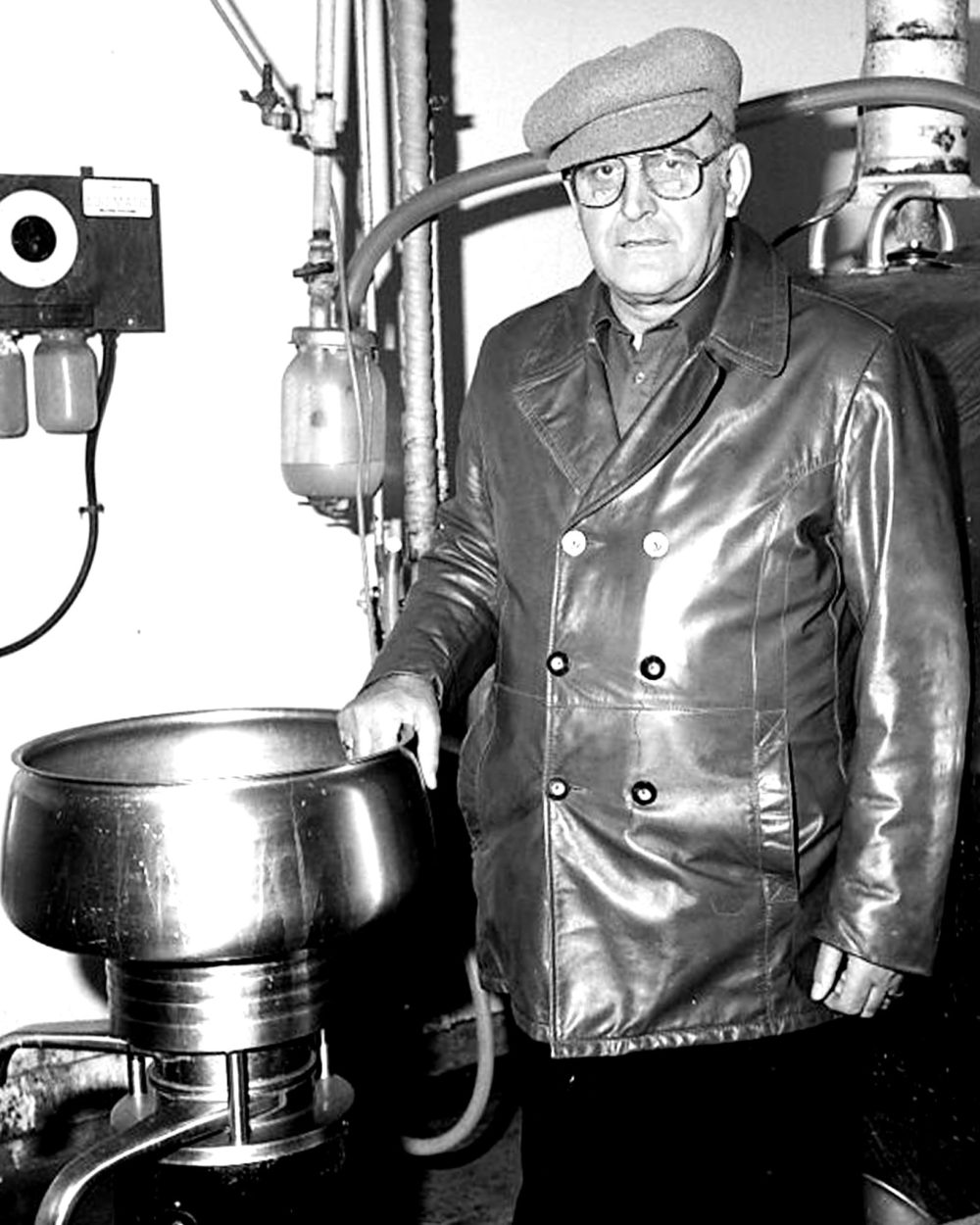
Gerard Kooiman of Ile des Chenes, who came to Canada with $365 in his pocket, will celebrate the 31st anniversary of that arrival in less than two weeks. Kooiman, who grew up in Willnis, Holland, arrived in Halifax, March 18, 1954.
After graduating from high school in Willnis, he worked on his mother’s dairy farm. He and two others milked 30 cows by hand. A small amount of grain was also produced on the 90-acre farm.
In Holland, small fields are surrounded by deep ditches filled with water, he said.
“We went by boat to milk cows and cows were transferred from field to barn by boat, from field to field by boat, and hay was moved by boat, as well.”
The difficulty of getting into farming in Holland prompted him to consider leaving. Intense competition for land means only about three percent of Holland’s young farmers will get a chance to farm there, Kooiman suggested.
“If you want to farm, you have to leave Holland.”
For instance, he pointed out, he is the only one of 12 members of his family who is still farming.
“I knew some people who had come to Canada, so I decided I would try to come here.”
He wrote somebody to ask if they had a job for him, and when they said yes, he came with just $365 to his name.
His first job was a hand on a dairy farm in the Fort Garry area of Winnipeg. He earned $60 per month plus room and board.
In 1956, he got a job with Red Rose Dairy in the Waverly Street area of Winnipeg. In 1958, he began renting a farm north of Winnipeg with an agreement to purchase.
In 1965, he bought the cows and equipment belonging to Red Rose Dairy and rented the buildings at his new location. When the barn was destroyed by fire in 1967, he moved the farm to Ile des Chenes.
Until recently, Kooiman milked 80 cows. At present, he is milking 25 cows, selling milk privately and shipping cream on quota.
One of his greatest difficulties upon coming to Canada was learning English, Kooiman said.
“I was a son in a big family; all of a sudden boom, I felt like a baby. I couldn’t talk, only walk. It took me six weeks to learn how to say breakfast. I could eat it, but I couldn’t say it.”
He now is a member of Toastmaster’s Club and is proficient enough in English to have won several awards from the club.
Kooiman said the key difference between immigrants who arrived around the time he did and the immigrants of recent years is in the amount of money they came to Canada with.
“Ninety-nine percent of the immigrants who came over when I did had nothing to lose. Most of them had to work for a while before they could buy farms.”
Now 99 percent of them have lots of money, and as a result, they quite often pay too much for their farms,” Kooiman said.
Often they buy more land than they need for dairy farming, Kooiman said. He suggested dairy farming is more profitable without land, as the cost of land and machinery is greater than can be recovered through the sale of milk.
Kooiman would urge other immigrants from the Netherlands to “apply the good things from Holland to the good things in Canada.”
He also suggested that, if possible, they work in Canada for a while before buying a farm. “See how Canadians do it; don’t come here, buy big and try to show them how to do it.”
“I love Manitoba, The weather is excellent. It is very peaceful, very stable. You know when it is going to be cold and you can prepare for it.”
Manitoba and Canada have been good to him, Kooiman emphasized.
– with files from Tim Plett