
The INN can’t apply for assisted living building permit: Steinbach mayor
Advertisement
Hey there, time traveller!
This article was published 20/02/2026 (205 days ago), so information in it may no longer be current.
City of Steinbach administration has blocked a Steinbach non-profit housing project from applying for an assisted living building permit, disappointing homeless advocates attempting to address transitional housing gaps.
The move marks the latest barrier for The INN (Initiative for Neighbourly Nights), following council passing a conditional use bylaw for emergency shelters in January.
The INN, which formed in July 2023, is an assisted-living transitional housing project that would house people in 12 rooms. It would also offer onsite nursing and addictions services. The roughly $1.75-million project, located on Main Street near Kroeker Avenue, is slated for construction in spring 2026, pending city approval of its permit application.
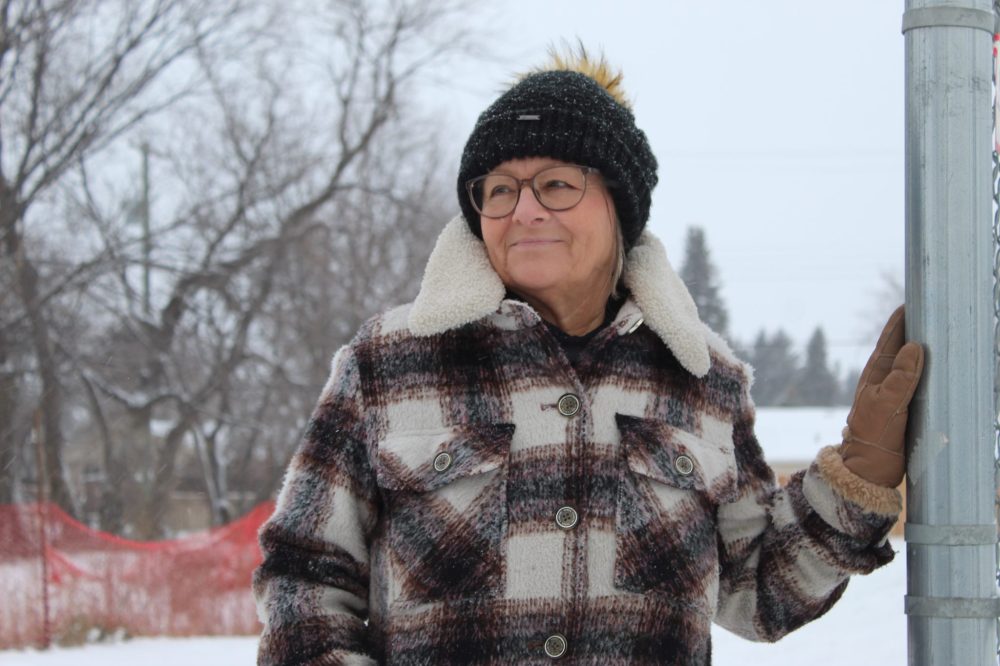
Troy Warkentin, Steinbach’s city manager, said the city is interpreting the assisted living bylaw definition to only apply to nursing homes and medical-based housing for seniors, despite the definition’s wording not limiting it to those facilities.
Steinbach’s zoning bylaw defines assisted living facilities as a facility where meals, lodging and continued nursing care are provided for payment. It includes nursing homes, retirement homes and “medical-receiving homes.”
“If an organization like The INN thinks it qualifies under assisted living, they don’t determine that. It’s the city that determines the administration of its own bylaws,” Warkentin said.
The city instead found The INN’s proposal fits under transitional housing, which Steinbach has no zoning bylaw definition for, he said. Warkentin said the city hasn’t received any applications from The INN and administration can only offer advice and recommendations. He said city staff recommended the non-profit file a zoning bylaw amendment to add transitional housing as a conditional use building permit. A $2,560 fee is charged when filing a zoning bylaw amendment to council.
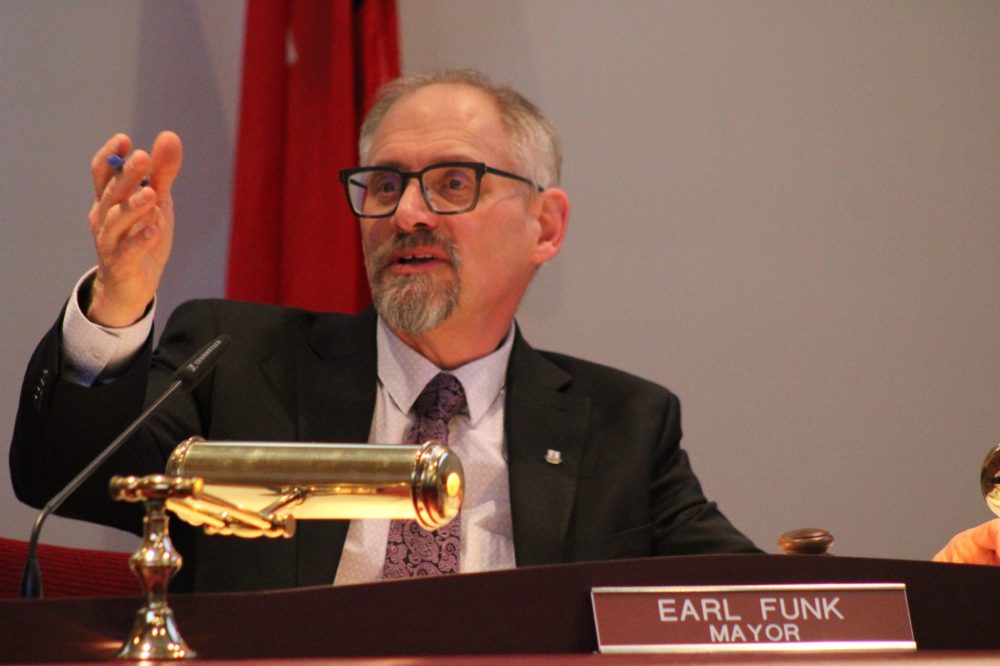
Steinbach Mayor Earl Funk said he agrees with city adminstration’s stance on The INN, noting the facilities are intended only for end-of-life care. He said he hasn’t viewed any applications from The INN.
“If our staff say it doesn’t fit, it doesn’t fit,” he said.
Funk said he couldn’t comment when asked why council didn’t put forward a zoning bylaw amendment to change the assisted living definition.
He said a transitional housing permit application will trigger a public hearing because a facility like The INN would change “the fabric of the neighbourhood.”
“I think they (The INN) want to skirt around the public hearing and not have one. That’s why I do believe they’re going down this route,” Funk said.
Funk said The INN needs to file either a transitional housing zoning bylaw amendment or apply under the emergency shelter conditional use permit to have its application seen.
“There are things to happen here. They’re (The INN) not doing anything. They’re just blaming the city instead,” he said.
He said the city appreciates the province’s housing first initiative that offers full wrap-around care. Funk stood by comments he’s previously made over homelessness not being a municipal issue.
Funk refused to comment on why Steinbach offers no funding for transitional housing or homeless services despite Winnipeg funding $275,000 for encampment outreach services and Brandon offering capital funding grants for transitional housing.
Leona Doerksen, chairperson for The INN, said she’s discouraged by the city’s decision.
“We are disappointed that the city isn’t willing to interpret that bylaw in a way that supports what our community says it needs,” she said.
In December 2025, the non-profit submitted engineering plans under the assisted living bylaw definition for review, Doerksen said.
The INN consulted with bylaw and legal experts when applying as an assisted living facility based on the definitions in the city’s existing bylaws, she said. That approach was chosen because hearings could delay any necessary housing being built for people in need and a denial would lead to jeopardized funding..
The non-profit applied for roughly $650,500 in federal and provincial funding, but the money will only be granted when a permit is approved, Doerksen said.
She said there has been no indication that Steinbach’s city council supports The INN. Last month, Doerksen said The INN asked the city for a meeting to discuss the assisted living definition but hasn’t gotten a response. The non-profit can’t risk applying for a conditional use hearing because of the lack of council support, she noted.
The non-profit wasn’t consulted when council created the emergency shelter bylaw, Doerksen said. She also noted council cancelled The INN’s delegation in December 2024 over the “the emergency shelter bylaw that they announced publicly was created for us.”
The Carillon previously reported Doerksen spoke against the emergency shelter zoning bylaw and said “this borders on discrimination.” Doerksen also said at the time the conditional use requirement could block necessary social services.
“There’s definitely a lack of knowledge, and a lack of interest on their part to find out what we’re even doing. We’ve provided a very comprehensive plan to them so they know what we’re doing,” Doerksen said.
The INN identifies itself as an assisted living facility because the non-profit recognized the need for immediate health-care access for unhoused people. She said other assisted living facilities in Steinbach have nurses and health-care aides operating all day, which The INN models itself after. Offering nursing care, meals and housing are primary parts of wrap-around care included in the transitional housing the province funds, Doerksen said.
“What is it that’s stopping city council from working with us,” she said.
A spokesperson for Main Street Project called Steinbach’s decision to block The INN from applying as an assisted living facility “unfortunate.” The Carillon previously reported the Winnipeg-based homeless outreach non-profit endorsed The INN in a November 2025 letter to the province.
”As a long-time provider of 24/7 supportive transitional and supportive housing, we know this model works to provide a safer, more stable and more compassionate response to housing instability for those who need it. Supportive housing reduces community disorder, supports wellness, and helps people move toward independence. It is our hope The INN will receive the support it needs to move forward with its plans,” the spokesperson said in an Wednesday email statement.
Gay Boese, chair of Steinbach advocacy group South East Equity Coalition, said she’s “very disappointed” to hear of another possible delay for The INN. She said the need for the housing services the charity would offer are still present.
“We need it. Obviously, the city needs some place for unhoused people,” Boese said. “This was the low barrier entry possibility where people could come and get the wrap-around services.”
She called for all parties to work together to set up a transitional housing project. Steinbach city council and administration has a crucial role in working with non-profit groups, the province and the federal government to ensure support for vulnerable and unhoused people, Boese said. It can’t pass sole responsibility for helping Steinbach’s homeless population to non-profits and churches, she added.
“We have to work together. It cannot be one group or another group. The city has to be on board with what we’re doing and then we can do what we can do, but we can’t do it alone,” Boese said.
Steinbach Community Outreach didn’t responded to interview requests from The Carillon.
Housing, Addictions and Homelessness Minister Bernadette Smith wasn’t made available for an interview.
A provincial spokesperson said in an email statement the province will work with municipal partners to address housing concerns.