
RM of Piney sees historic building permit values in 2025
Advertisement
The RM of Piney saw record breaking permit values last year, which the municipality said is mainly due to an increase in housing throughout the RM, but especially in the Woodridge and Sandilands areas.
“The RM of Piney is that perfect combination of small-town living, all-season outdoor and indoor recreation, and easy driving distance from Steinbach or Winnipeg,” stated Reeve Wayne Anderson in a press release. “Our friendly communities, affordable land prices and taxes, and ease of doing business here make it very appealing for anyone – young families, those nearing retirement, or people who want to work from home or start a business – to consider a move to the simpler lifestyle we offer.”
The municipality issued 63 building permits in 2025, the third highest after 85 permits were issued in 2021 during the COVID epidemic and 69 permits in 2023. The majority of the permits issued in 2025 were for a combination of cottages, cabins, and single-family dwellings.
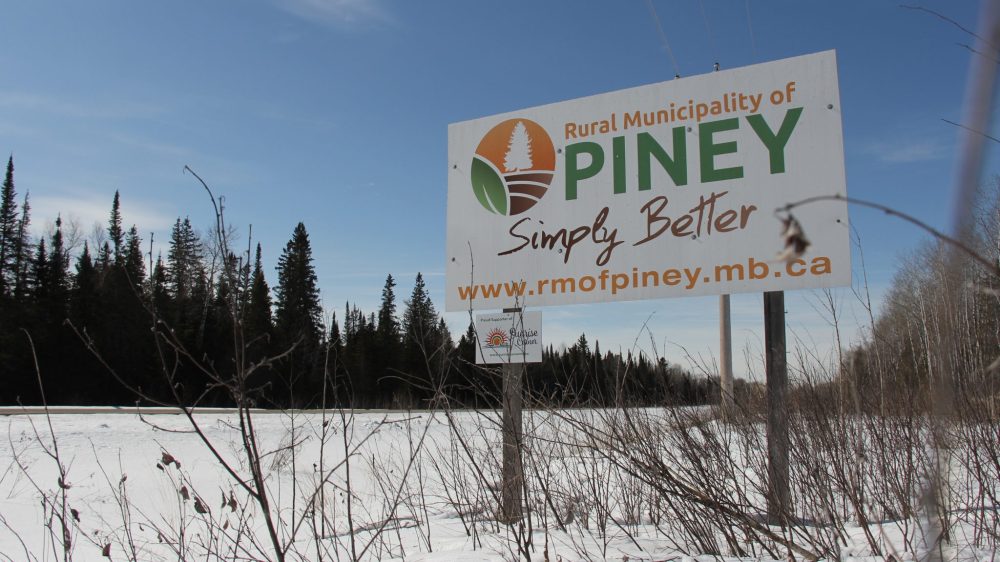
Piney CAO Martin Van Osch and Sunrise Corner economic development and tourism manager Monique Chenier said the reason for the increase in permits in 2021 during the COVID crisis was people were looking to move to rural areas where they would have more freedom, more lots were made available in Woodridge, and people were also building other structures, such as garages and sheds, rather than homes.
Although the lack of lots in 2025 contributed to the decrease in permits for that year, Van Osch said more lots will be made available in 2026 in Woodridge.
“I would anticipate that we’ll see the number of permits climb again comparable to that 2021 number, because the interest is still there. We’ve created an environment that fosters people moving out here and building their cabins and their homes,” he said.
The average estimated value per permit last year more than doubled to about $85,000 from $41,000 in 2024. At 53 percent above its yearly average, the total estimated value of the permits is $5.3 million, which is the highest ever achieved in the RM.
“We are able to turn around approvals very efficiently. We have some of the lowest rates for different building permits in Southeast Manitoba. And our goal is really to make it easy for people to get started building, you know, really everything from that shed to a four-season home,” said Chenier.
Very few building permits were issued for businesses in the RM as Van Osch said they are mostly home-based businesses.
Van Osch noted that low taxes are another reason people are building in the RM. For more than a decade, council has made the decision to keep the mill rate steady at 12.09.
“New homes don’t necessarily equate to lower taxes. As we see new homes come online, we have more areas to service. And often people require new services to those areas, like high-speed internet, dust control,” he said.
“So, it really results in a net zero return at the end of the day from a taxation standpoint. From a community sustainability growth (standpoint), there’s many positive notes to bring forward: New volunteers, new economic development, new growth, new interest in the area.”
Van Osch said the majority of people who are moving to the RM are between 55 and 65 years old. They are looking for a quiet place to access recreational opportunities, such as cross-country skiing and ATV trails and some are looking for cheaper housing as they work in the larger urban centres like La Broquerie and Steinbach. He also said people who are looking to retire are also attracted to the area.
“If we didn’t have new housing starts in the area, we’d see decline. Because people eventually age out of our municipality and need to move to urban areas because of those higher medical needs. So, we need to see this in growth in order to sustain what the RM has,” he said, noting this is a census year and he is interested to see if there are younger demographics in the area.
The RM has also seen a significant increase in its agricultural industry as more and more permits are being approved for yard site improvements, such as the addition of grain bins.
“Those are actually tracked different than building permits because farmers, agricultural sector doesn’t require a building permit. They require a development permit with the municipality and those numbers are tracked separately,” said Van Osch.
The RM of Piney is 2,400 square kilometers with 2,400 residents.