
Steinbach justified in stopping The INN applying for assisted living permit, expert says
Advertisement
Hey there, time traveller!
This article was published 05/03/2026 (236 days ago), so information in it may no longer be current.
City of Steinbach administration was within its rights to block a non-profit homeless outreach group from applying for an assisted living building permit, an expert says.
Last month, city officials said The INN, a self-described assisted-living transitional housing project, couldn’t apply for a permit because Steinbach interpreted the assisted living bylaw definition to only apply to nursing homes and seniors housing, contrary to its wording which does not exclude assisted living transitional housing.
“I think if they (The INN) tried to go apply for an assisted living designation in Winnipeg, they would get the same response that this isn’t an assisted living facility,” said Aaron Moore, a University of Winnipeg political science professor who specializes in municipal affairs.
He noted Steinbach defines assisted living buildings similar to how Winnipeg views them. Steinbach’s definition describes an assisted living facility where meals, lodging and continued nursing care are provided for payment. It includes nursing homes, retirement homes and “medical-receiving homes.”
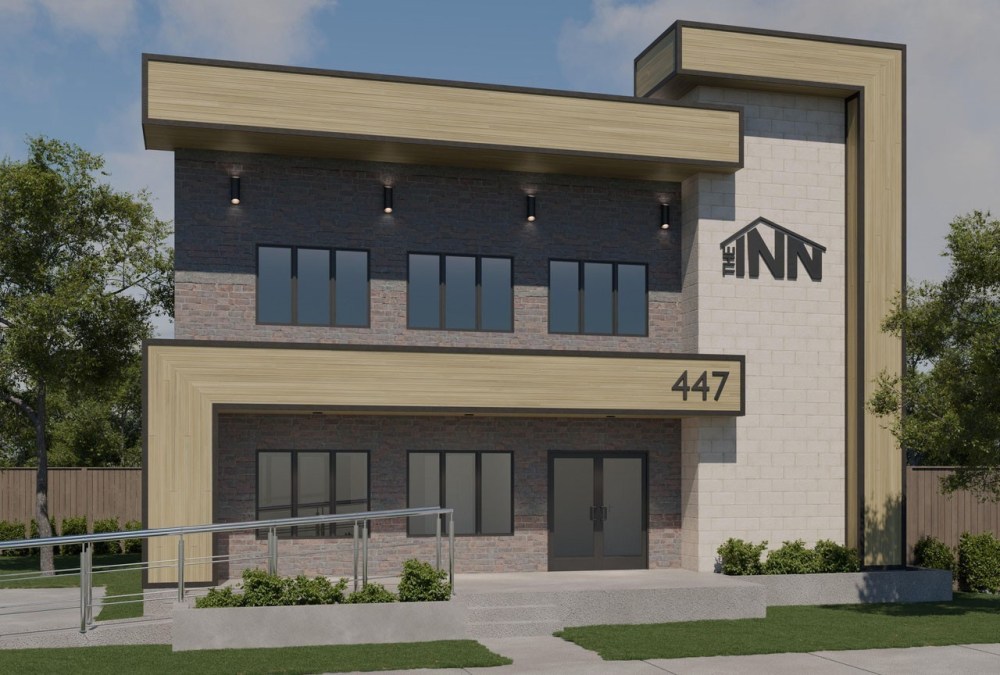
The INN plans to build a complex with 12 rooms and offer nursing and addictions services onsite. The roughly $1.75-million project would be located at Main Street near Kroeker Avenue.
It settled on identifying as assisted living facility because the non-profit wants to offer instant health care access for vulnerable people. The non-profit’s slated services also fall under the province’s expectations for wrap-around care within transitional housing projects, Leona Doerksen, chairperson for The INN, previously told The Carillon.
The non-profit filed plans in December 2025 for an assisted living permit. City officials told The INN it needs to either apply for a conditional use permit or file an amendment to add transitional housing to Steinbach’s zoning bylaw.
Moore said the non-profit could appeal Steinbach’s decision before the municipal board or take it before the court, but added it might not be worthwhile.
“Even if you won, like you got the courts to say, ‘Oh, you’re interpreting this too narrowly,’ the municipality can later adjust the bylaw to explicitly restrict it to that,” he said, noting The INN is faced with few options for recourse when the city interprets a bylaw.
Since there aren’t any bylaws The INN can fall under, it allows Steinbach to deny the project, Moore said.
“I understand the frustration on that end. I just think using assisted living (definition) in and of itself wasn’t necessarily the appropriate route to go, or one that would actually have gotten them (The INN) where they wanted to go in the first place,” he said.
Winnipeg passed its own zoning bylaw amendment in December 2025 to address five proposed projects aiming to provide services similar what The INN hopes to offer. The city added supportive housing as a definition, which applies to affordable facilities for people who have medical needs or face other barriers to stable housing. All but one of the projects were allowed to build supportive housing once the amendment was passed.
Moore views The INN redefining its project multiple times as “not helpful.” The non-profit has previously called itself an emergency shelter and transitional housing project prior to labeling it now as assisted living.
Amending zoning bylaws are common for new projects, and a land use like The INN would rarely be provided in zoning bylaws, he said.
City officials are “doing the right thing” when they told The INN it can’t apply because it saves both the city and the non-profit time and money from going through the process.
“They’re appropriate in flagging up front, rather than allowing them (The INN) to go down that route, and then there be a decision later on saying, ‘Oh no, we don’t interpret it that way,” said Moore.
The non-profit was disappointed with Steinbach’s decision, but understands the project is complex, its board said in a statement to The Carillon.
”The INN recognizes that bylaws are subject to legal interpretation. Our goal has always been to identify the most effective path to provide an essential service to our community,” the statement said.
The board followed advice from a lawyer and bylaw consultant, who indicated the city could interpret the assisted living bylaw definition in the project’s favour, the statement added.
“We are dedicated to being good neighbours, and the care and upkeep of our building will remain a top priority. This project is not about changing the character of the neighbourhood — it is about creating a space that reflects care, dignity, and community pride,” the board said.