
‘Doing nothing is not reasonable’: 14 Steinbach churches signed 2024 letter calling council to address homelessness
Advertisement
Hey there, time traveller!
This article was published 14/03/2026 (187 days ago), so information in it may no longer be current.
A group of Steinbach churches called on Steinbach’s mayor and council in a nearly two-year-old letter to address homelessness and remind them of Biblical teachings to care for the vulnerable.
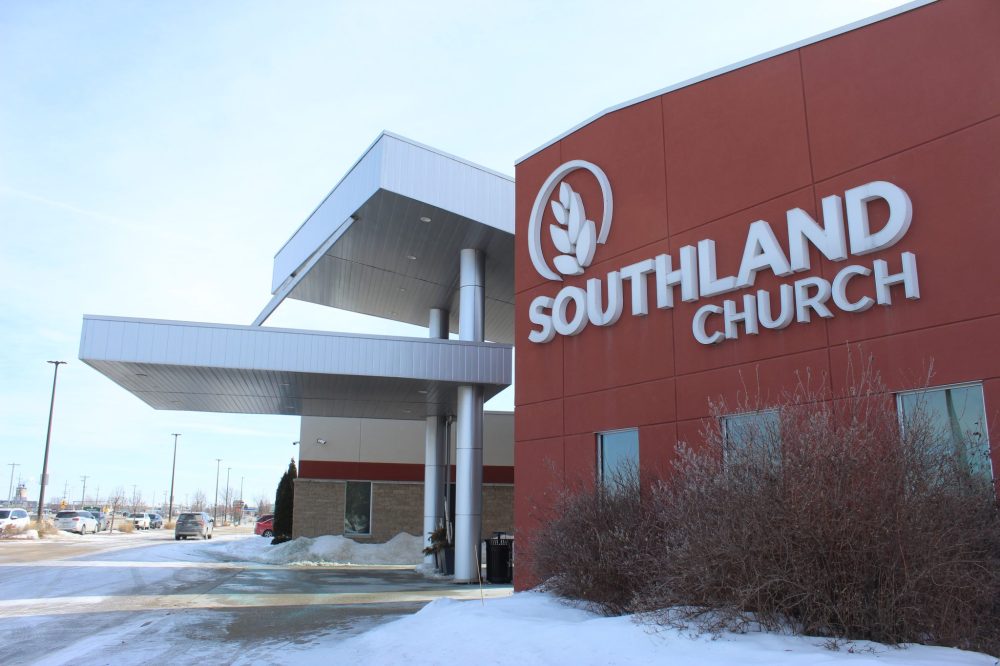
Pastors from 14 churches, including Southland Church, Steinbach MB Church and Stonehouse Covenant Church, signed the December 2024 letter, citing homelessness as a growing problem and the need for the transitional housing project The Initiative for Neighborly Nights (The INN) or another alternative, The Carillon learned.
“Supports such as The INN do not create the (homelessness) issue or make it worse, but instead seek to alleviate a situation that is already present. Of all the options on the table, burying our heads in the sand and doing nothing is not reasonable,” the letter stated.
The INN plans to build a 12-room complex, offering nursing and addictions services onsite. The roughly $1.75-million project would be located at Main Street near Kroeker Avenue. The non-profit settled on identifying as an assisted living facility to align itself with provincial transitional housing standards for wrap-around care.
Andrew Dyck, lead pastor for Stony Brook Fellowship, was one of the letter’s signees and stands by the statement. Church leaders believed it would be effective to highlight a Biblical perspective on caring for homeless people to Steinbach councillors because many are professing Christians, he said.
“As spiritual leaders, we are trying to lovingly challenge those who are making the decisions that as you do so, we would love for you to take your faith priorities into consideration. And we believe in this instance, that would be towards the marginalized,” Dyck said.
He said many pastors have known Steinbach needs transitional housing to help address poverty long-term. Congregants at his church and others have asked pastors why churches aren’t opening their doors to house vulnerable people during the colder months. But multiple roadblocks, including staffing, funding and insurance policies made it difficult to open as an emergency warming shelter, Dyck said.
Churches were excited when The INN was announced because it offered an avenue for religious groups to partner and support the non-profit with volunteers and finances.
“The inactivity on the church’s part wasn’t a lack of desire,” he said. “It was more an interest in finding the most appropriate situation to support, kind of meeting this issue head on.”
The letter was penned as city council created the emergency shelter bylaw in December 2024, a move done in direct response to The INN’s proposed project. The bylaw, which required a public hearing, was passed in January 2026.
Dyck said pastors were frustrated by the lack of perspective and alternative solutions from city council when considering the risks homeless people face when they have no place to go in the winter. Action needs to be taken on housing solutions because homelessness in Steinbach is a growing problem and won’t disappear, he noted.
“If we’re going to say no to this, what are we saying yes to that can help this? This is still something that’s present. It’s a reality, whether we acknowledge it or not, and something needs to be done,” he said.
Dyck said there is a cognitive dissonance between Steinbach’s reputation as a generous city and its approach to homelessness. In 2022, Steinbach citizens donated 4.31 percent of their annual earnings to charities, ranking it first in Canada and far above the 0.62 percent national average, according to non-profit Charitable Impact.
“We can’t just look at the past and say, ‘Hey, we’ve been a welcoming and generous and Biblically centered place before,”’ Dyck said.
“If we value that and want to it to continue to be true, then we need to continue to actively pursue those things.”
A frequent sentiment in Steinbach for The INN or a similar project is the not in my backyard (NIMBY) principal, which shows people as supportive of the project, but not wanting it near their homes, said Dyck. He believes churches have a role to play in helping hold discussions and “separate fact from fear” for residents.
“If we don’t give up something potentially to help those in need, then how loving are we actually acting?” he said.
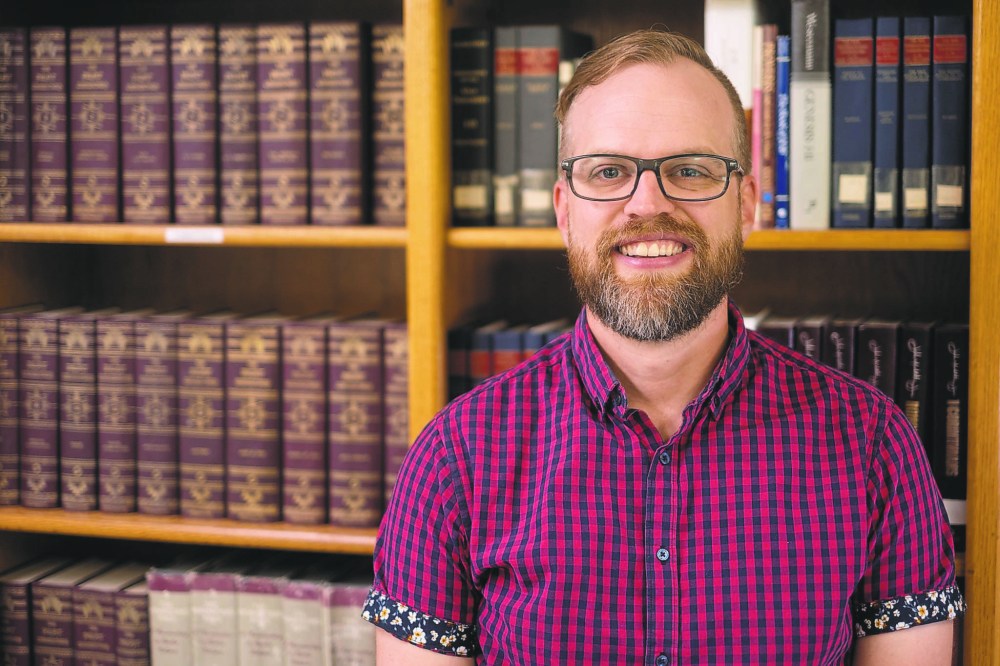
Southland Church has dedicated funding for The INN when its operating and sees transitional housing as a crucial tool to help homeless people in Steinbach, said executive pastor Eric Klippenstein.
”Our desire is to see solutions that go beyond simply meeting the immediate physical needs and instead, serve to place individuals on a pathway towards long-term self-sufficiency,” he said in an email statement.
Lisa Livingstone Clark, vice-chair for The INN, found the letter “very informed,” which she said added further encouragement for the project.
“The pastors who signed this (letter) seem to have a good understanding of why providing immediate housing is so helpful for people as they work towards recovery and towards stability,” she told The Carillon.
Many churches have expressed support for the housing initiative and the letter is added proof, she noted. Having a large church, such as Southland Church, committing funding and getting behind the project is also positive, she said.
Livingstone Clark doesn’t know how much funding Southland has dedicated for the non-profit. Klippenstein didn’t provide details about the funding amount when asked.
Steinbach administration has refused to meet with The INN, after blocking The INN from being classified as an assisted living facility, she said. In a letter to the non-profit on Feb. 27, city officials said they wouldn’t meet with The INN, and they want the charity to file a zoning bylaw amendment to apply for conditional use, Livingstone Clark said.
The Carillon previously reported Steinbach administration told The INN last month it needs to create a new transitional housing bylaw definition or apply under a conditional use permit and have a public hearing.
“It would even be helpful to have a better understanding of this city’s perspective in-person,” she said. “I think understanding is key, and open dialog is key, and that has been our goal for a long time, and obviously we’re disappointed.”
Mayor Earl Funk didn’t respond to interview requests by deadline.