
Agape House pilot for teen girls becomes permanent, addressing confidence, healthy relationships
Advertisement
Two years ago, Agape House created a pilot program aimed at bringing confidence and self-esteem to teen girls by showing what it looks like to be in a healthy relationship.
Now that the pilot project is complete, the organization has decided to continue providing the program to teen girls in the Southeast because it was so well attended.
“It really focused on early intervention and prevention. So, giving youth tools before crisis situations can arrive,” said Lisa Fast, outreach and housing coordinator.
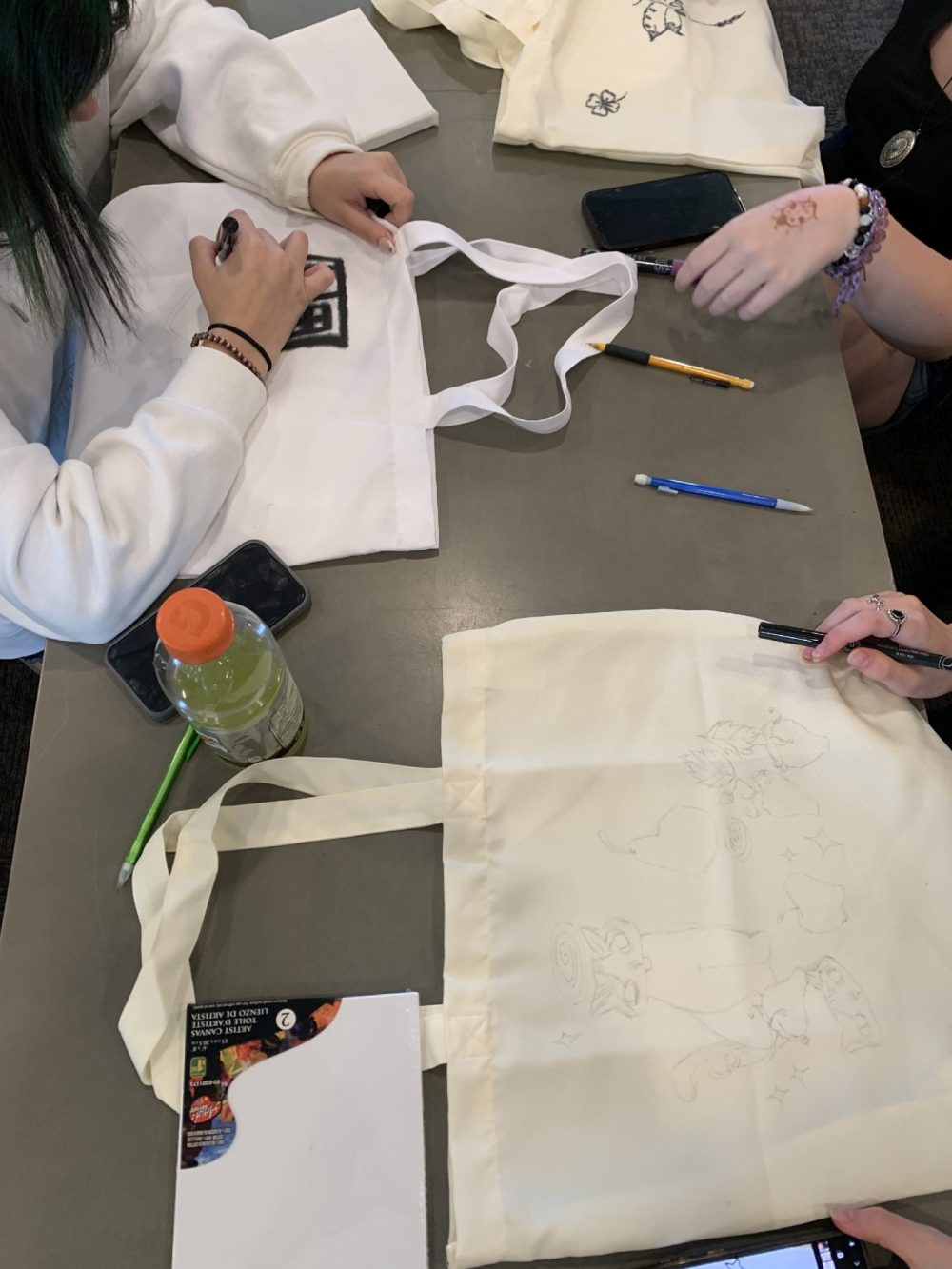
The pilot program was made possible by the RBC Future Launch Teen Initiative Grant. Between 40 and 50 girls, aged between 14 and 17, participated in the program with workshops being held in Steinbach and Ste Anne. Fast said the program will be offered again in May in two rural communities in Hanover, but she couldn’t say which communities were being considered.
“So, for us, a key part of the program has been about creating space for open conversations about healthy dating relationships, what they look like, how to recognize red flags, and how to build respect and trust,” said Fast.
“So, those that came out for the group, we had a lot of meaningful conversations around shared experiences, which helped normalize these conversations and reduce stigma, and there was an opportunity for story sharing, as well, which allowed youth to learn from each other and feel less alone and build empathy within the group.”
Fast said that as more and more conversations took place, the girls’ confidence to speak up increased, as well as the ability to set boundaries, and to better understand their own values and the relationships they have with intimate partners, family, and friends.
“And I think there is definitely a clear and growing need for youth-focused prevention programming in our areas here. So, our goal is to reach more youth and continue building more stronger community partnerships,” she said.
Fast said one of the challenges facing girls today, compared to previous generations, is the prevalence of modern digital technology since birth and the fast pace of an ever changing world. She said that while technology can be a benefit it can also be a barrier. The girls expressed a need for connection with other youth.
“There’s not enough opportunity to just connect with others in a safe space,” she said.
Technology that has influenced the lives of these girls was the prevalent use of social media.
According to the United Nations Educational, Scientific and Cultural Organization’s (UNESCO) Global Education Monitoring 2024 Gender Report, Technology on her terms, girls spend more time on social media than boys and are therefore more at risk of being exposed to content promoting gendered professions, unrealistic body standards, the sharing of sexually explicit images, and cyberbullying – all of which place added strain on their mental health and well-being, and in turn affect academic performance.
Social media negatively affects the well-being of girls and reinforces gender stereotypes through algorithm-driven, image-based content that shows girls material ranging from sexual content to videos that glorify unhealthy behaviours or unrealistic body standards, according to the report.
UNESCO also cites Facebook’s own research, which found that 32 percent of teenage girls said that when they felt bad about their bodies, Instagram made them feel worse. This led to higher rates of eating disorders among teen girls. Girls also suffer more cyberbullying than boys. Thirty-seven percent of girls and 50 percent of non-binary children reported being cyberbullied compared to 29 percent of boys.
The report also showed that girls who spend one hour or more on social media during school days have lower well-being levels than boys, who showed no effect. Increased social media use at age 10 among girls is linked to worsening socio-emotional difficulties as they grow older, according to UNESCO.
A 2025 report from Mental Health Research Canada found as the use of social media by youth increased, so did rates of anxiety, depression, and suicidal ideation.
Fast said a lot of the conversations that the girls had centered around social media and the healthy way to use it. She said it’s a “tricky” situation as social media can build community, especially for those who might not find it in their everyday lives, but it can also be isolating. She said it can also be “risky” as you never know who you are talking with online.

“I think ‘internet friends’ is what we’re hearing a lot of people have now is Snapchat friends or people that they are friends with just over the Internet. But there can definitely be huge benefits of that, especially if finding community in your own community can be difficult.
“Online spaces have given people those safe spaces that they’ve been needing. But it can also have very dangerous impacts as well.”
Girls in the pilot program were taught not to compare themselves with people on social media and the internet as the representation of those people and their lives can be misleading with the advent of artificial intelligence and Photoshop. Also, those people are probably also comparing themselves to others on the internet and social media, according to Fast.
“So, we really just encourage you to look at your own values and what you really are wanting and value. But to not compare yourself to or to idolize people on the Internet,” she said.
During the discussions on boundaries, Fast said putting boundaries in regards to people and everyday situations ripples into current and future relationships. She said the phone was the biggest boundary the girls talked about as to when it was an appropriate time to respond to someone, what should or shouldn’t be shared on social media, one’s digital footprint and the impact that might have, the sharing of location, and the illegal sharing of inappropriate images.
When it came to consent, the girls were taught that it doesn’t only have to apply to sex, but can be applied to other areas of their lives. Fast used the acronym FRIES: is consent freely given without pressure, manipulation, or fear; consent is reversable so a girl can change her mind at anytime and revoke consent no matter what has happened before; consent is informed so that both parties know what they are agreeing to; consent is enthusiastic with an eager “Yes” rather than a mediocre “Sure we can”; and consent is specific, so agreeing to one activity doesn’t imply consent to other acts.
Fast said it’s up to everyone to teach girls about safe internet and social media use, consent, boundaries, and healthy relationships.
“I think it definitely comes down to coming together as a community. So, that includes all the systems, families, schools, other systems as well.”
Fast said the feedback Agape House got from the pilot program, and when they visit schools to share the same information, was that more conversations need to be held on the topics covered.
“More of these spaces need to be around for all teens, I think, not just teen girls, but for all teenagers to access and to just have these conversations.”
To see when and where the teen girls’ program will be held, visit the organization’s Facebook page at facebook.com/agapehousewomensshelter, Instagram agapehousemb, or call Fast at 204-326-6062 or email her at outreach@agapehouse.ca.