
Southeastern Manitoba municipalities call for more involvement in mining, water protections
Advertisement
Southeastern Manitoba municipalities are calling for more municipal involvement and improved ground water and aquifer protections on mining projects, after the Rural Municipality of Ste Anne passed a resolution to lobby the province on the matters last month.
Ste Anne’s Deputy Mayor Randy Eros moved the April 22 resolution that will go before the Association of Manitoba Municipalities. He said the municipality doesn’t want to “play catch up” if an approved project has impacts on infrastructure or water within the region.
“If you don’t get at the table early enough, trying to get a seat at the table after that’s very hard to do,” he said.

Eros said the resolution was prompted by Sio Silica’s controversial project to extract silica sand near Vivian. Its first proposal was rejected by the provincial government in 2024, after residents raised concerns the project would put their drinking water at risk. The company’s new proposal, with reduced mining wells and less mined silica sand, was submitted to the province’s environmental assessment branch in October 2025, which is still under review.
Manitoba Premier Wab Kinew said in December 2025 he would launch a public inquiry into the former Progressive Conservative government’s push to approve the company’s environmental licence.
“In the current situation we have, we end up having no seat at the table in something that very much affects residents in the municipality,” Eros said.
Some of the resolution’s proposed measures include submitting erosion and sediment control plans, noise and dust mitigation plans, ground water monitoring and impact mitigation plans.
A provincial ministerial spokesperson said Manitoba has “robust” processes to judge environmental impact and license new or expanding mining projects under The Environment Act.
“We will always work with Manitobans to balance economic development with strong environmental protection,” they said in an email statement to The Carillon.
To mine a land claim in Manitoba, applicants must apply for a work permit. Applicants submit a proposal that includes location information, impacts to natural and human environments, measures for environmental management and consultations with Indigenous groups. Multiple government departments conduct technical reviews of the project before a green light is given.
If a project has potential risks for the environment and human health, it will undergo a environmental assessment and licensing process, which includes public consultation and participation.
The Manitoba environment and climate change minister can also refer a project to the arms-length Manitoba Clean Environment Commission. The commission holds public hearings, investigations and mediation for projects it has been assigned.
Steinbach Mayor Earl Funk viewed the resolution and said he was concerned it would add more regulations for potential mining projects.
“If something were to go forward, our province of Manitoba would be one of the strictest regulatory provinces, as far as mining goes. I think it would just add cost,” he told council during a May 5 meeting.
Funk said he wasn’t willing to support the resolution and preferred not to comment on the document. He asked city manager Troy Warkentin to speak with other municipalities on the previous joint action committee to gauge their views.
Funk told The Carillon that governments need to deregulate industries rather than adding red tape. When asked what information he was referring to when he said Manitoba would have one of the strictest mining regulations if the resolution was implemented, Funk said “I don’t have a lot of basis to go on that” and he isn’t a mining expert.
“I look at my industry, for example, the food industry, we’re highly regulated. I’m going by what I see, and we’re fine. We will do it. We want to produce a good product. But there’s a lot of regulation and there’s cost to that regulation,” he said.
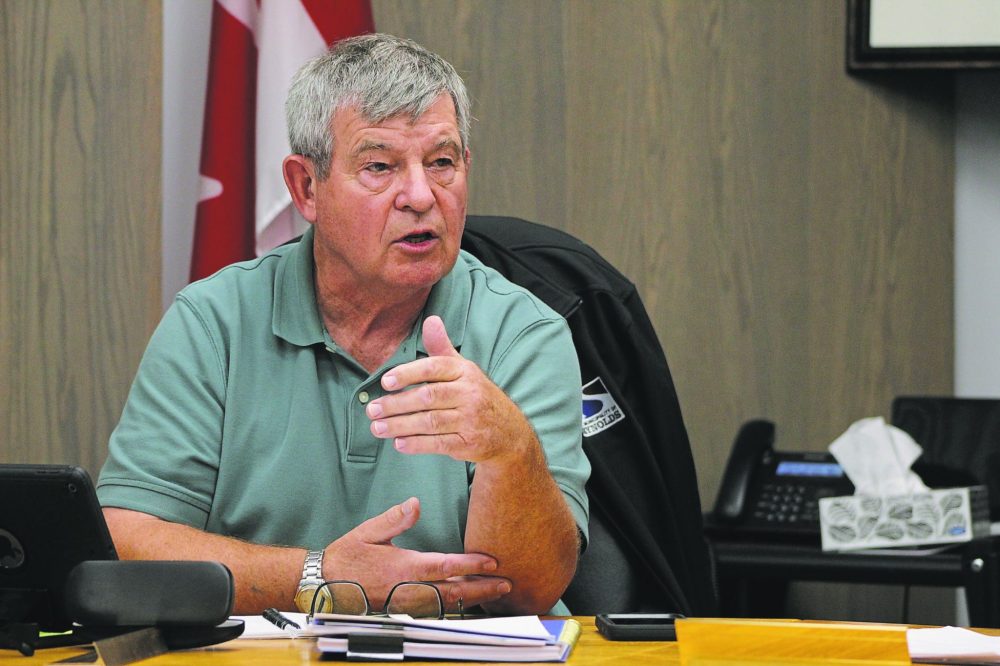
Funk noted more regulations will impact business profits, shifting the cost onto those who are purchasing the end products.
The Rural Municipality of Tache supported Ste Anne’s resolution. Mayor Armand Poirier said measures are needed to protect the municipality if projects are proposed in the region.
“In our part of the province, there’s a lot of housing. We’re fairly densified. If a mining operation was to come and set up here, certainly there has to be guidelines in place,” he said.
“They just can’t come in and pillage and plunder the infrastructure that took 200 years to build here and interfere with people’s quality of life.”
Russ Gawluk, reeve for the Rural Municipality of Reynolds, also supported the resolution, calling for more municipal involvement and oversight on mining projects.
He said there is no mention of municipalities in Manitoba’s mining regulation and no protection for any damage to infrastructure, such as gravel roads and wastewater. Local governments deserve a “seat at the table” to make sure that there’s no added tax burden on ratepayers that should be paid by mining companies.
“We would like to have the opportunity to get into that kind of (discussions), not just the decision that they’re going to be okay using it (infrastructure), but also the opportunity to receive funding early in the game or at the beginning, rather than trying to correct things after the project is done,” Gawluk said.
He would like to see municipalities have input on projects, similar to how First Nations are consulted and involved in mining projects.
Gawluk pointed out Reynold’s municipal council only found out through a newspaper ad that Toronto-based Grid Metals Corp., a mining exploration company, began drilling for lithium and cesium deposits in September 2025 on crown land within the municipal borders.
If local leaders would’ve been “at the table” from the beginning of the provincial licence approval process, they could’ve relayed project updates and accurate information to ratepayers to avoid people becoming suspicious, he said.
Gawluk disagreed with Funk’s position on the proposed resolution and said it wouldn’t add any extra cost and only extend the timelines by a “week or two.”
“We need to get used to the fact that all stakeholders involved in a project should be at that table. It’s no longer acceptable to be just the province,” he said.
“We can’t have them speaking for us when they’re not the ones that are suffering for the negative impact of that initiative.”
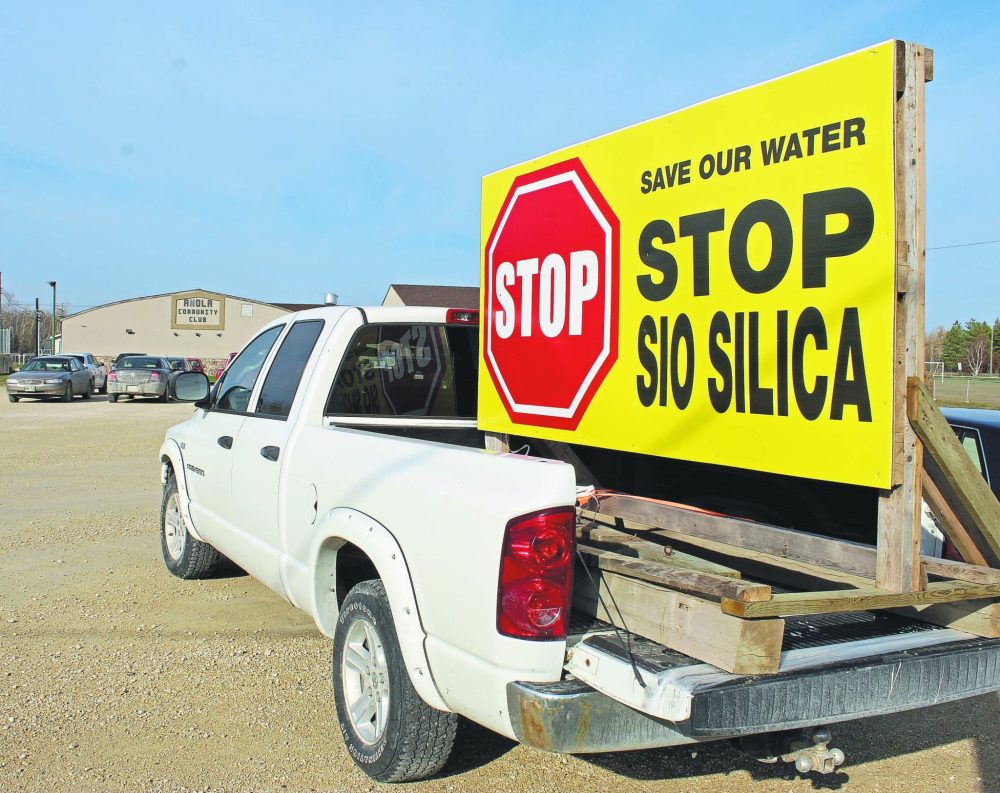
Reynolds has previously voiced concerns of municipal mining involvement with Minister of Business, Mining, Trade and Job Creation Jamie Moses.
The municipality is gathering a list of items from residents who want a say on mining projects to send to the minister, including hiring local workers for projects, Gawluk said.
“If (mining companies) have to bring in an excavator and an operator, why wouldn’t they look in Reynolds first,” he said.
That list will potentially be presented to the minister in August. Gawluk sees his municipality’s initiative working in parallel with Ste Anne’s resolution.
Jamie Kneen, national program co-lead for environmental and human rights group MiningWatch Canada, was pleased to see Ste Anne’s resolution. He said pushing for more groundwater protections and municipal involvement is rare compared to other provinces. Only Quebec’s mining laws have municipal considerations to have certain areas protected from mining and create buffer zones, Kneen said.
He said the fears of regulatory delays are often exaggerated or “even made up at times.”
“Protections need to serve a purpose. But if the purpose is to prevent long term damage and and liabilities, then that’s worth some kind of price up front to say we do want to make sure that we can continue to live here in the future,” Kneen said from Ottawa.
“Therefore it’s worth taking a modest amount of time and effort to make sure that we’re not harming ourselves.”
He expects to see more municipalities mirror Ste Anne in advocating for municipal protections as both federal and provincial governments prioritize mining critical minerals.