
Hanover trustees pass motion to delegitimize mature minor designation
Advertisement
Trustees of the Hanover School Division have voted unanimously to move forward on creating a policy that would see parents exercising their control over their children’s health care and counselling in schools, even if they are mature minors.
During the school board meeting last week, trustee Cheryl Froese presented the motion to the board, where she stated a mature minor is like having a “cheeseless cheeseburger.”
“The words mature and minor go together about as well as a cheeseless cheeseburger in my mind,” Froese told the board.
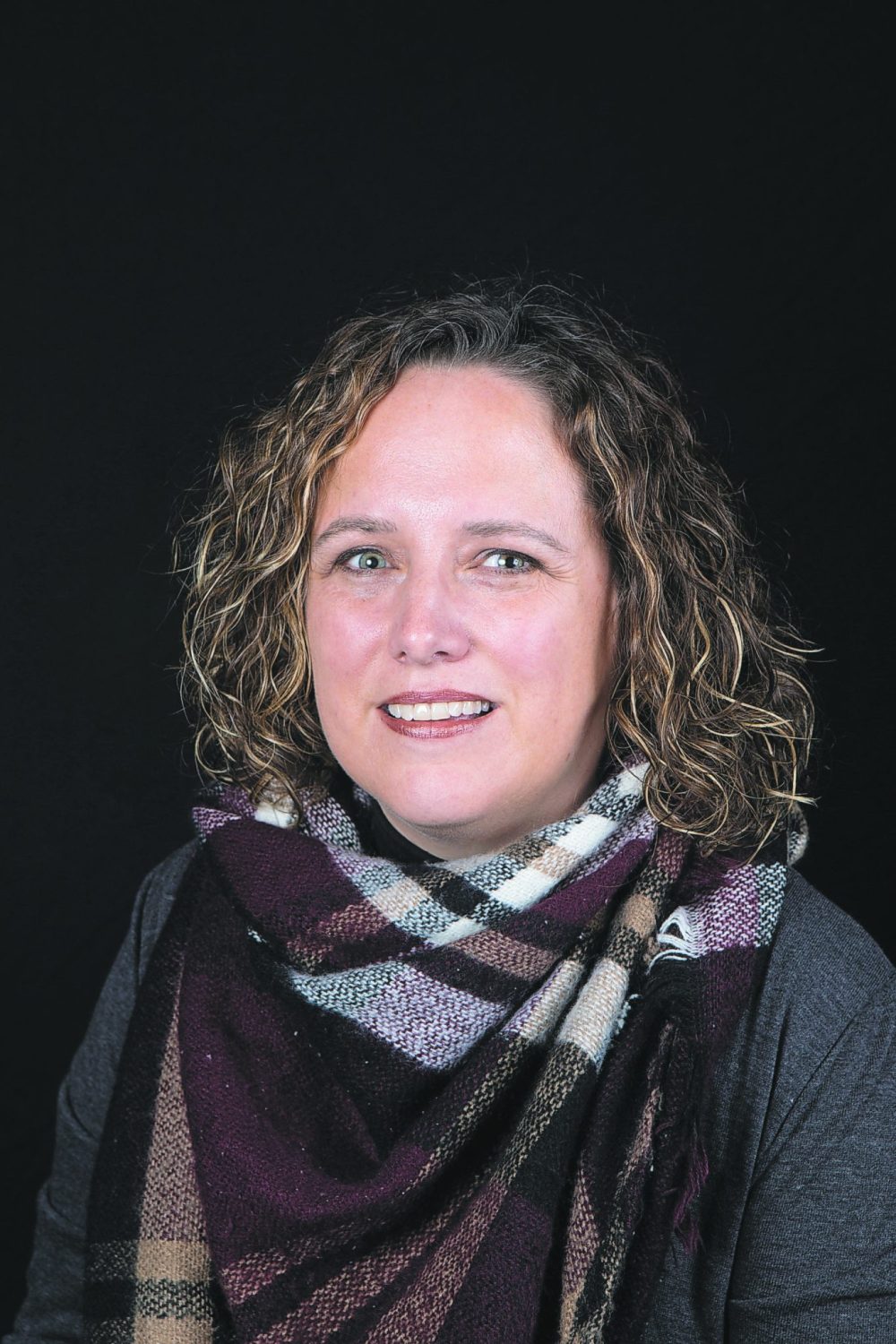
“There is a privilege of being a minor. But to say that a minor can be mature enough to make health-care decisions, either physically or mentally, without a parent or legal guardian is absurd.”
A mature minor designation is any child who is under 18 who has the capacity to make their own decisions without parental approval, including consenting to or refusing medical treatment, if they demonstrate sufficient maturity and cognitive understanding of the impact of their decision, according to the Canadian Paediatric Society.
The Psychological Association of Manitoba states that it is also commonly assumed that someone over the age of 16 can make their own health-care decisions unless there is evidence to the contrary.
The mature minor designation is also recognized through common law as special status.
In outlining her motion to the board, Froese moved that parents in the Hanover School Division be regarded as the primary health-care provider for their child, and as such, “the mature minor category is not to be honoured in any HSD building.”
Froese had a number of points in her motion, among them that parents be included in any decision regarding their child’s physical and mental health care, including counselling from kindergarten to Grade 12 as “the implications for a wrong health decision or treatment affect a parent in the long run and far more on a personal, emotional, physical, and financial front than it affects an employee.”
The motion also protects the division from a lawsuit “if parents aren’t happy with the physical or mental treatment that their child receives.”
Froese declined to do an interview about the motion and the pending policy. Trustees Brad Unger and Danielle Funk were not at the meeting.
Froese welcomed a continued partnership between the division and the Steinbach Regional Secondary School health clinic under these guidelines. It is unclear whether the clinic can even operate under such guidelines as it would mean going against its mandate to offer confidential medical and counselling services to students, including reproductive health, mental health services and information, prescriptions, health education and disease prevention, and referrals to other health professionals or specialists without parental involvement and consent.
Southern Health is a partner with the division in regards to the clinic. In an emailed statement, a spokesperson wrote that the health authority is gathering information about the motion and is not in a position to provide a full response at this time.
“Supporting safe, accessible care for youth remains a priority, and we will continue to collaborate with our partners as this evolves,” stated the spokesperson.
Trustees Jeff Friesen and Shayne Barkman applauded Froese’s motion as it keeps parents informed.
Friesen said parents aren’t expecting care that will involve prescriptions, medication, and education that they’re not privy to. He also said the division is not prepared to give education or counselling to answer students’ questions regarding certain health issues.
“(Saying), ‘Well, they’re mature enough, and we’re superseding parents’ rights.’ That can happen, but not in our schools,” said Friesen.
Barkman thought it was “a step forward.”
“It just gives parents the ability to uniquely care for their child without interference,” he said.
Board chair Dallas Wiebe cited the Public Schools Act as supporting Froese’s motion as it pertains to parental rights when it comes to their children’s education.
Manitoba Advocate for Children and Youth (MACY) advocate Sherry Gott noted that although she doesn’t know the full context behind Froese’s motion, she said the Public Schools Act upholds that file information for mature minors must not be shared with parents without consent of the student.
Gott also noted the Heath Care Directives Act, which upholds that mature minors have capacity to make health decisions. She also said the United Nations Convention on the Rights of the Child (UNCRC) dictates that young people have the right to be part of the decisions that impact them. They also have the right to share their opinions freely, which would extend to decisions made about their health and overall wellbeing.
“We would encourage the school board to review their obligations under provincial legislation and the UNCRC to ensure they are not infringing on the rights of mature minors within the division,” stated Gott.
Minister of Education Tracy Schmidt said in an email that she is aware of the motion and that “all policies must operate within the framework of provincial legislation and support Manitoba’s curriculum.”
“The department is currently reviewing the Hanover School Division’s new policy and will continue to work collaboratively with the Hanover School Division to support the wellbeing of students and families.”
Dr. T. Sheppard-Luangkhot, who has experience in mental health and social services, said the division needs to follow the rule of law.
“The law is that it’s actually the health-care provider who makes that determination (if a student is a mature minor and can access care),” they said. “Doctors I’ve spoken to have determined for themselves whether that young person can consent. So, it’s actually almost like a waste of time for Hanover School Division to make a motion like this, because the law would supersede the policy.”
Sheppard-Luangkhot, who is also an LGBTQ+ advocate, noted that while ideally parents and children would have an open relationship where children feel comfortable enough to discuss issues with their parents, some children don’t have that same relationship.
“Some kids may need that support and have told their parents about, say, their 2SLGBTQ+ identity, and they’ve experienced shunning or rejection. So, they need those safe places.
“And when you look at Hanover School Division, one of its mandates is to make sure that all students achieve. And so that means 2SLGBTQ+ students, if they need to seek health care at the clinic, at the school, it’s really important that as part of their achievement, they have access to that support…It’s up to the care providers, not Hanover School Division, to determine if that child can consent.”
Sheppard-Luangkhot, who is an expert in far-right movements and violent extremism, believes the trustees are implementing a series of motions that are mimicking far-right extremism in the United States and in some conservative Canadian provinces into their policies.
They said now that provincial advisor Kelly Barkman is no longer overseeing the board, Minister Schmidt needs to ensure that Hanover School Division is following the rule of law and not starting to introduce discriminatory policies that echo far-right rhetoric.
“The risk is that we’re blocking that student achievement and wellness and physical health care, mental health care, and really rigorous, strong education that I’m talking about.”