
Ritchot signs MOU with biochar manufacturer to extend landfill, potentially see profits
Advertisement
The RM of Ritchot has signed a memorandum of understanding with a biochar manufacture with the hopes of bringing an environmental and economic benefit to the municipality.
“We love the idea of finding new, regenerative, sustainable ways to take – essentially garbage – and turn it into something usable. So, we bought into it right away, and here we are,” said Mayor Chris Ewen.
The RM’s MOU with Carbon Lock Tech began when one of the councillors was at the Manitoba Environmental Industry Association annual conference in late 2024. He saw what Carbon Lock Tech was doing and thought it was a perfect fit for the RM and shared his encounter with council. After about eight months of meetings, a presentation was made to council last summer and the MOU was signed April 22, 2025, on Earth Day.
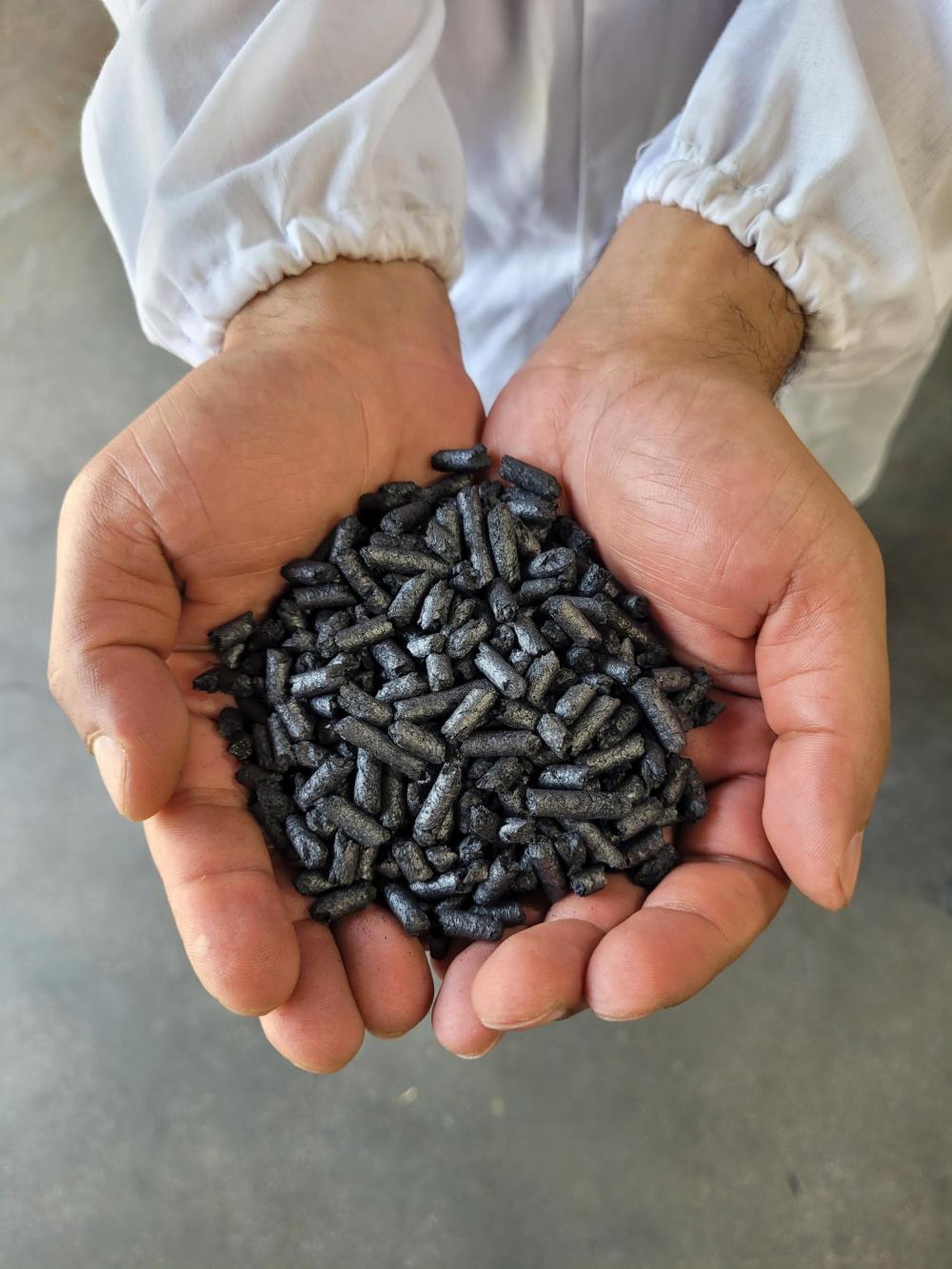
This summer, the four-year-old company will begin the process of turning organic waste found at the St Adolphe landfill into little black pellets called biochar, with a high-heat reactor. The reactor burns off oxygen and hydrogen in the biomass and leaves behind covalent bonds of carbon in the form of biochar.
The pellets can be used in a number of applications such as a filter for tailings ponds for the mining industry, moisture for soil in the agricultural industry, or ground into a powder and mixed with concrete in the construction industry, as well as applications in horticulture, wastewater, and asphalt. All of these applications can be used to create carbon credits as the pellets are considered carbon sequesters.
Carbon Lock’s founder Kevin Danner said for every ton of organic waste, you can create about a half carbon credit, which can be used for revenue for the RM. He said the Brady Landfill near Winnipeg takes in more than 200,000 tons of organic material every year, while the St Adolphe landfill takes in about 100,000 tons.
“For this demonstration phase, we’re looking to produce about 250 tons of biochar by the end of the first year-and-a-half to two years,” said Danner.
“We want to demonstrate to the municipality that their waste is valuable if it’s turned into biochar, and then that biochar is sold, and/or credits are being able to be generated and sold as part of that process.”
Carbon Lock just applied to the federal government for the first carbon dioxide removal credit procurement process. The company has also patented its technology in Canada and in the United States. It has a team of eight engineers and research scientists currently trying to advance the technology.
Should the trial run in St Adolphe be successful and the RM feels there is a benefit to the municipality to have a permanent commercial facility at the site, then Carbon Lock will enter into a contract to build a permanent reactor with a public-private partnership agreement with the RM where costs and revenues are shared.
“By the end of (the first phase), we will have completed the demonstration phase and produced a report for the RM upon which they can make a decision if they would like to be Manitoba’s first community with an organic waste carbonization facility, similar to what Regina is doing or Victoria or Minneapolis,” said Danner, noting other communities will also be approached in the province for their own biochar reactors.
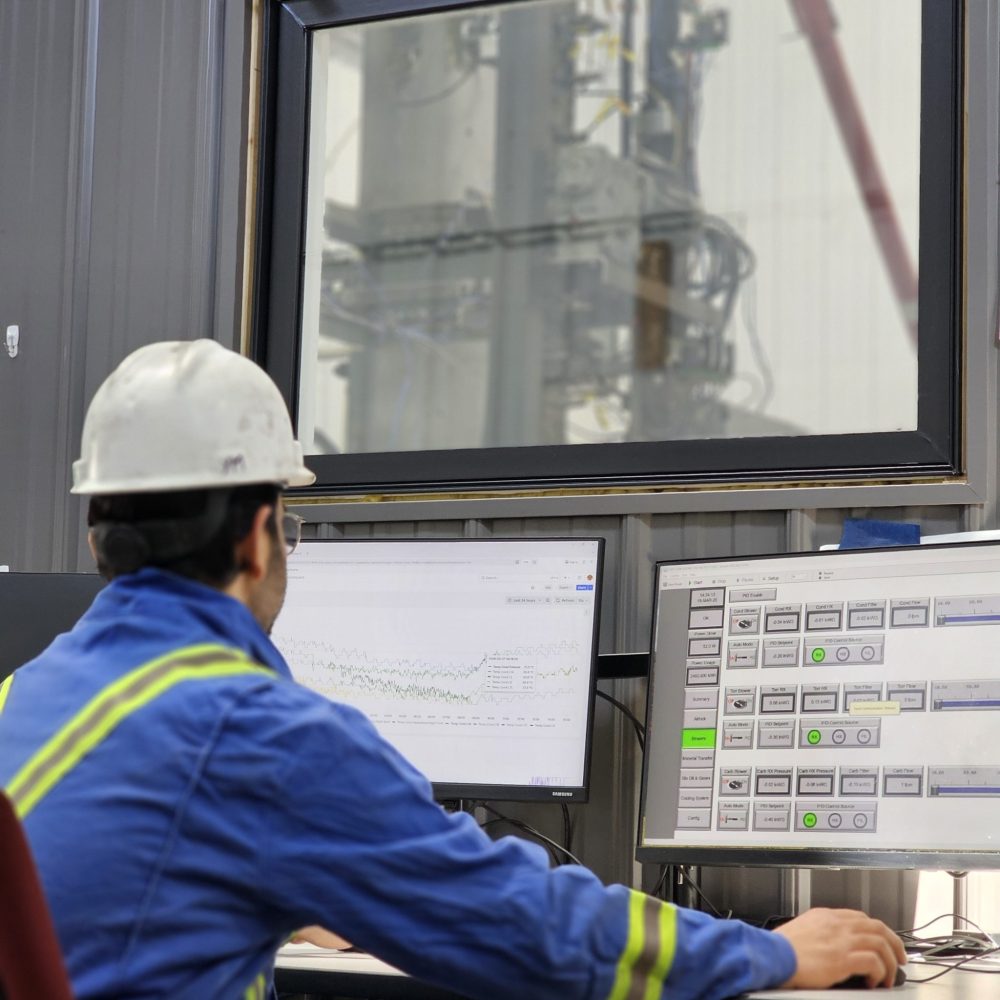
He shared that 40 percent of the waste that goes to a typical landfill in Canada is organic in nature and if you diverted all of that into biochar and sold all that biochar, then you’d be close to doubling the lifespan of the landfill. Neither Danner or Ewen knew how much money could be saved or made with the biochar, but the appeal of extending the life of the landfill was foremost for council and the potential of having an economic benefit was a bonus.
“You know, I always like to think of our council as frontier people for sustainable development, ecological opportunities,” said Ewen. “We’ve always been strong on composting programs. We’ve been strong on creating possible recycling programs. We always want to be a leader to showcase what can be done in municipalities…really first and foremost (we’re) just wanting to be leaders in creating difference.”
Ewen said residents won’t see any change in their waste bill while the reactor is in operation during the MOU.
The mayor said this council is very strong and open-minded and that it is not afraid to try something new. Ewen said if the demonstration phase doesn’t work, then council will admit failure as it is “not the end of something. It’s the beginning of something else later.”
“We’re always willing to try something that betters our community members, our residents, and our environment. And my personal opinion is if you don’t try, you die,” said Ewen.