
Number of doctors increased in the province but not enough in rural areas
Advertisement
Although doctor shortages are shrinking in the province, rural areas and specialists are still a growing concern.
Doctors Manitoba released its annual Physicians in Manitoba report, which saw the number of physicians in the province grow to 3,694. That’s 235 doctors per 100,000 residents, a 4.5 percent increase and closer to the Canadian average of 245.
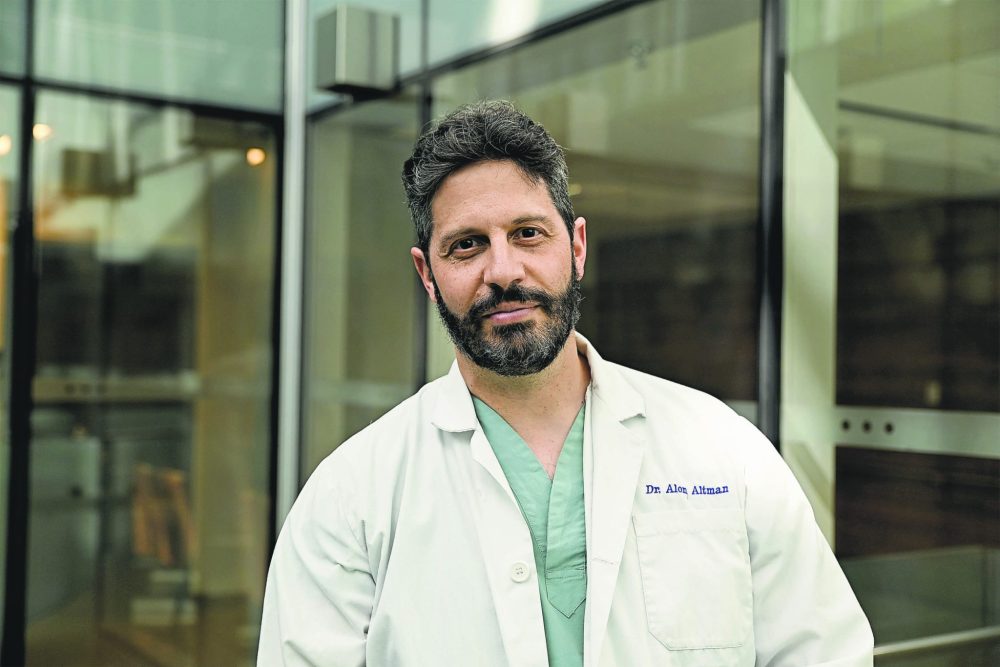
“Manitoba is heading in the right direction on shrinking our severe doctor shortage,” said Dr. Alon Altman, president of Doctors Manitoba. “The shortage is nearly half the size it was just three years ago when it reached its peak, but we still have serious gaps in many specialties and in many rural communities.”
When it came to physicians per capita, Manitoba is ranked seventh among all provinces. Manitoba needs 229 more physicians to reach the Canadian average, down from a peak shortage of 445 just three years ago. Canada has among the lowest number of doctors per capita among high income countries, reflecting a significant shortage by international standards, read the report.
The number of physicians has grown every year for over two decades, according to the report. In 2026, there was a net increase of 196 physicians. This is the largest increase on record, higher than last year’s record of 164 in a single year. The record increase in physicians the last few years has been driven largely by increases in out-of-province graduates. International graduates made up 59 percent of all new physician recruits last year.
There has been an increase in recruiting family doctors, but more are needed in rural areas and in emergency rooms.
While Winnipeg reports 2,770 doctors, the rural and northern health regions report only 904 doctors, one of the main concerns for Doctors Manitoba. There are fewer physicians per capita in rural and northern areas than comparable regions across Canada, stated the report. The largest gaps were found in Southern Health (42 percent below peer regions) and Interlake-Eastern (41 percent), followed by Prairie Mountain (22 percent) and Northern Health (11 percent). Altman stressed it is important to recruit and retain rural and northern doctors.
“It means that local ERs have limited hours or are closed or the wait times are particularly long,” said Altman. “It also means you have to travel to get surgery, to get diagnostics, to get tests, you need to travel outside your rural community.”
Southern Health was contacted about what it was doing for doctor recruitment and retention in its rural areas but did not respond by deadline.
The other top concern in the report was the shortage of specialists. Manitoba is short 217 specialists, which is now more than 90 percent of the overall doctor shortage. It’s reported that there are 116 specialists per 100,000 residents, ranking Manitoba eighth per capita in Canada followed by Saskatchewan and Prince Edward Island.
In response to shortages in specialists, some people are waiting for availability or going to other provinces to seek care. It is a bigger issue for rural and northern communities who wait even longer to see specialists, said Altman.
Many specialties are affected by the doctor shortage, including medical with geriatric medicine being 62 percent short of the Canadian average, surgical with vascular surgery being 49 percent short, and diagnostic with nuclear medicine being 36 percent short. Some other affected specialties include emergency, cardiology, urology, otolaryngology (ENT surgeons), pathology, and radiology.
Technology is one of the issues when it comes to doctor recruitment and retention. When recruiting doctors who are trained in specific technologies from outside the country or province, and that technology is not being made available to them, then that becomes a problem. Altman used the example of there being five or six urologists in Manitoba who are trained in robotic surgery, but there is only one robot in the province for them to use. Comparatively, Saskatchewan and Nova Scotia have four or five surgical robots.
”Doctors train here and come to Manitoba expecting the technology and teams of today’s medicine, but instead find a health-care system stuck in yesterday,” said Altman in response to the government’s throne speech on health care. “This makes it difficult to retain physicians when other provinces offer more advanced equipment and more comprehensive teams to support physicians in caring for patients.”
Retention is a continuing problem for the province.
“Our third largest concern is retention. It’s a platform that as president I take to heart quite closely as you all are aware, I’m not originally Manitoban,” said Altman. “I moved here with my family 15-and-a-half years ago and have stayed and I think it’s important for us to continue on that trend in, how do we keep family doctors? How do we keep emergency doctors? How do we keep specialists in this province?”
An estimated 658 physicians are considering leaving practice in Manitoba over the next three years, either to retirement (10 percent) or relocating outside of Manitoba (eight percent), with British Columbia being the top place to relocate at 60 percent followed by Alberta (39 percent) and Ontario (30 percent). The report stated that 22 percent plan on reducing their clinical hours.
Although the report shows that overall 40 percent of doctors are considering retiring, leaving Manitoba, or reducing their clinical hours, it’s an improvement from 52 percent in 2023. The three top reasons for physicians considering leaving, retiring, or reducing practice were systemic or institutional issues, feeling burned out, and personal reasons.
The number of Manitoba graduates starting practice in Manitoba was 70 last year, declining from a record high of 87 in 2021.
Only 63 percent of residents who completed their training in Manitoba are still practicing here five years later, down from 71 percent three years ago. The national average is 73 percent.
When it came to professional fulfillment, 73 percent of doctors would recommend Manitoba as a place to practice medicine, up from 65 percent last year. As well, 69 percent of physicians were satisfied with their professional life, up from 64 percent last year.
“Recruiting alone won’t solve our shortages,” said Altman. “We need to make Manitoba a place where physicians want to stay, whether they were trained here or recruited from out of province. That means investing in equipment and technology, reducing unnecessary paperwork, expanding team-based care, and ensuring physicians have a meaningful voice in decisions affecting medical care.”
Steps currently taken to keep doctors in Manitoba include $300,000 in annual funding from the province for the New to Practice Program to mentor and support physicians in the first five years of their practice; continued recruitment efforts which help to reduce workload pressures on existing physicians; a Physician Services Agreement finalized in 2023 which will see $268 million in increased funding over four years for family doctors and many specialists; and expanded peer support and physician health supports.
While steps are being taken, doctors report there still needs to be improvement in consultation and engagement, especially regarding changes or issues affecting their day-to-day work, such as digital system or clinical service delivery. Doctors also report there needs to be a reduction in paperwork and expansion of team-based care, specifically prioritizing action under the government’s commitment to add 250 health providers to physician practices. Finally, invest in the facilities and equipment physicians need to care for patients, including in hospitals and in community practices.