
Agriculture
Agriculture

COLUMN: On the Fence Line – Vaccination rules for competition: What MB horse owners need to know ahead of 2027
3 minute read 5:17 PM CDTIf you plan to take your horse to a competition in 2027, now is a good time to review your vaccination records. Equine Influenza and Equine Herpes Virus (EHV-1 and EHV-4) can spread quickly when horses come together at barns, shows, trailers, and warm-up areas. Keeping vaccinations current is an important part of protecting your horse and the wider equine community.
Equestrian Canada (EC) requires horses attending EC-sanctioned competitions to meet vaccination requirements. The Royal Manitoba Winter Fair, scheduled for March 29 to April 3, 2027, is one Manitoba event for which it is important to plan to meet these requirements. Current EC rules require vaccination within six months plus a 21-day grace period before arrival, with no vaccination within seven days of arrival. These rules help protect horses and event biosecurity by ensuring regular vaccination schedules—not just last-minute compliance.
Before heading to a competition:
· Review your horse’s vaccination records well before the show.
Advertisement
Agriculture
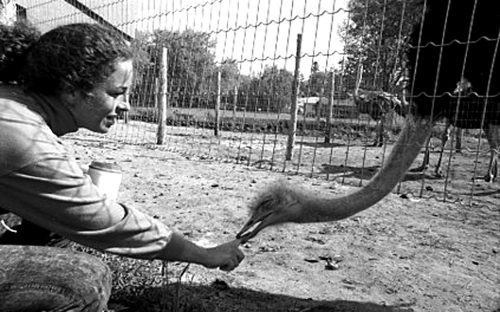
COLUMN: Carillon Flashback September 27, 1995 – Ostrich farming a fast-growing industry
3 minute read Preview Wednesday, Aug. 12, 2026Agriculture
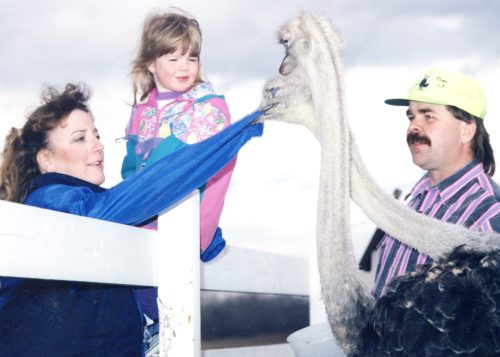
COLUMN: Carillon Flashback April 28, 1993 – Big birds enjoy Manitoba winter at Dawson Creek Ostrich Ranch
4 minute read Preview Saturday, Aug. 8, 2026Agriculture
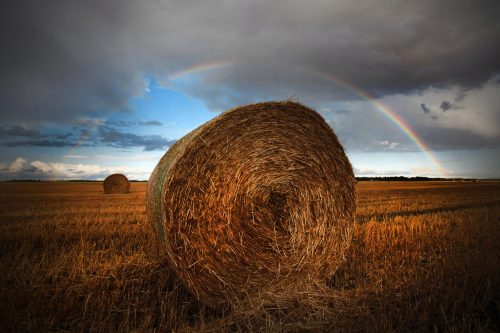
MASC launches satellite technology pilot for forage insurance
5 minute read Preview Thursday, Aug. 6, 2026Agriculture

Manitoba farmers worried about uncertainty of CUSMA negotiations as deadline looms
6 minute read Preview Saturday, Jul. 4, 2026Agriculture

COLUMN: The Carillon Flashback November 28, 2002 – Straw burner slashes barn heating costs
3 minute read Preview Monday, Jun. 22, 2026Agriculture

1946 – 2026 Watching Steinbach Grow: Pasteurized milk delivered daily
3 minute read Preview Wednesday, May. 20, 2026Agriculture

1946 to 2026 Watching Steinbach Grow: Steinbach Hatchery celebrates 90 years
4 minute read Preview Monday, May. 4, 2026Agriculture

Ile des Chenes farmer, former deputy minister receives award from Manitoba Canola Growers
5 minute read Preview Wednesday, Apr. 29, 2026
Agriculture

Regenerative farming: Overby shares his insight with neighbors to the north
3 minute read Preview Monday, Apr. 27, 2026Agriculture

National Farmers Union hopes for organization accreditation and ag minister meeting
2 minute read Preview Saturday, Apr. 25, 2026Agriculture

Research facilities closing raise concerns among MB farmers
3 minute read Preview Saturday, Apr. 25, 2026Agriculture
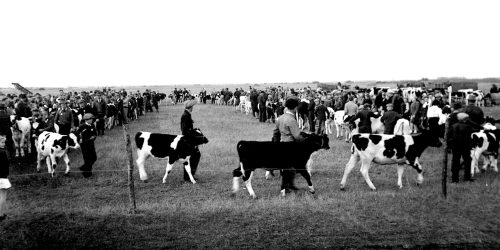
1946 – 2026 Watching Steinbach Grow: Hanover Ag Society sponsors its first fair
3 minute read Preview Friday, Apr. 24, 2026Agriculture

COLUMN: Carillon Flashback December 5, 2013 – Downtown dairy barn is Penfor Construction gem
6 minute read Preview Friday, Apr. 24, 2026Agriculture
Southeastern Manitoba farmers face soaring fuel, fertilizer prices caused by Midde East war
4 minute read Monday, Mar. 30, 2026Southeastern Manitoba farmers are facing extra strain ahead of the spring planting season as fertilizer and fuel prices surge due to the escalating conflict in the Middle East.
Randolph-based farmer Kevin Peters is watching the price turmoil closely. He plants rye, canola, wheat, soybeans, corn and sunflowers on his 7,500 acres. Peters locked in pricing for his year-long fertilizer supply in November and considers himself lucky.
“There’s always concern about geopolitical issues.” he told The Carillon. “Whether it has to do with trade or, in this case, fertilizer supply…it can really affect imports and exports for a lot of things.”
The United States and Israeli attacks on Iran began Feb. 28, striking multiple targets throughout the middle eastern nation and killing its Supreme leader Ali Khamenei. Iranian military personnel retaliated, launching missiles and drones at neighbouring nations and vessels passing through the Strait of Hormuz, which flows between Oman, the United Arab Emirates and Iran, grinding the shipping lane to a halt. The New York Times reported on March 25 at least 17 ships have been struck since the conflict began.
LOAD MORE AGRICULTURE ARTICLES