
DJ decries bridge grant gaps
Advertisement
Hey there, time traveller!
This article was published 05/12/2020 (1958 days ago), so information in it may no longer be current.
These days, Brenton Thompson doesn’t feel like the life of the party.
The Mitchell-based disc jockey and entertainer runs Summer Bounce Entertainment and Tentation Tent Rentals. Weddings, socials, galas, festivals, and corporate events are his bread and butter.
“We help clients on probably the biggest days of their lives,” he said. “Sometimes we’ll do 300, 400 events per year.”
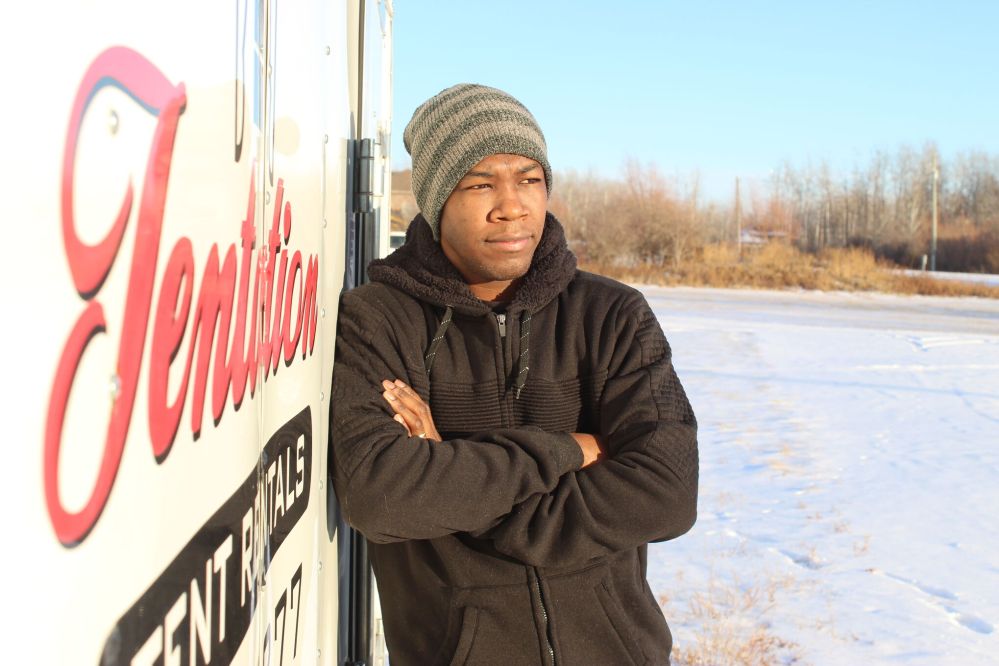
All those events ground to a halt when the COVID-19 pandemic arrived. Thompson estimated he’s lost 80 percent of his tent rentals and 95 percent of his DJ bookings this year.
“My last big event was in March, a couple days before the first health orders came in to lock everything down,” he recalled. “Between March and July it was zero events. We did five events all summer.”
That’s why Thompson was thrilled when, on Nov. 10, Premier Brian Pallister unveiled the Manitoba Bridge Grant, a one-time, $5,000 payout for businesses and organizations forced by a new health order to shut their doors to the public.
“We were excited. That can pay your mortgage, that can pay your rent, that can help pay staff,” Thompson said.
His mood soured when he downloaded the application form and couldn’t find his business type.
“It was quite disappointing,” Thompson said. “It’s like being invited to a party and you get to the door and they say, ‘I’m sorry, you’re not on the list.’”
Thompson decided to apply under the retail category, even though it didn’t quite fit. After a delay, he received the $5,000, but now worries it will be clawed back.
A spokesperson for the premier’s office said all applications are subject to audit.
“To receive support from the Manitoba Bridge Grant, a business or organization must had had to fully close their premises to the public as a result of the Manitoba COVID-19 Prevention Orders in effect as of Nov. 12, 2020,” the spokesperson said.
Thompson said he’s never been directly prohibited from conducting business during the pandemic—he just has nowhere to work. But he’s still operational, hosting Christmas parties and nightly quiz nights online.
“We’ve had to try and pivot to virtual events, but a virtual event doesn’t pay anywhere near what a live event would and it’s all new and novel, so nobody really knows a whole lot about it,” Thompson said.
“It’s getting a few eyeballs, but it’s not the same.”
Pallister has hinted over the past two weeks that the program’s eligibility criteria may be broadened.
Thompson said the government appears to be quietly tweaking the application form by adding more business types.
He wants the government to embrace photographers, event planners, and other small business owners who lack a storefront. Some, including Thompson, have banded together to advocate online using the slogan, “My business is not a hobby.”
Thompson notes the events industry was the first to feel the effects of COVID-19.
“It’s been really, really tough, and when support gets handed out and you find out that you don’t count, that’s very upsetting,” he said.
During peak season, he employs about 26 staff.
“A lot of them are part-time, but this is a big piece of how they pay for their livelihood,” he said.
About 70 percent of his staff have been laid off since March. The other 30 percent were called in as needed during the summer.
“It’s a bit of a yo-yo effect based on what’s going on with the health measures and what kind of events we can and can’t perform.”
When it is time to reopen, many non-essential businesses can switch on the lights and resume work relatively quickly. No so in the events industry, where bookings are made 12 to 24 months in advance.
“We’ll be feeling the effects of this for the next two to five years,” Thompson said.
Clients who have bookings next summer are worried about losing a deposit if restrictions tighten again.
Thompson said federal benefit programs have helped his business, but he believes the province needs to do more.
“I think our local government should be very willing to help us because our money goes directly back to these communities.”
Last Tuesday, Thompson sent a letter to Pallister and Steinbach MLA Kelvin Goertzen but has yet to receive a reply. The Manitoba Chambers of Commerce told Thompson it’s hopeful that new eligibility criteria will be announced.
When events do pick up, Thompson said there will be more costs involved, from insurance rates to sanitation supplies to physical distancing requirements that complicate employee transportation.
For now though, he’s focused on nursing his business through the winter.
“I still have to keep my company name good so that when it’s time to actually get back to normal, we’re there.”