
NCR ruling in Tache double homicide case calls for education, not outrage: advocate
Advertisement
Hey there, time traveller!
This article was published 06/12/2022 (1215 days ago), so information in it may no longer be current.
A nationally recognized expert on schizophrenia who has devoted his career to advocating for improved access to mental health-care says last week’s not criminally responsible (NCR) ruling in the case of a 2021 double homicide in the RM of Tache calls for education and understanding, not resentment and outrage.
“Peoples’ misconceptions, misunderstandings, and misinterpretations, multiplied by fear, will lead people to attitudes that are just not rooted in good science,” says Chris Summerville, the Steinbach-based CEO of the Schizophrenia Society of Canada and a certified psychosocial rehabilitation recovery practitioner.
On Nov. 21, Manitoba Court of King’s Bench Justice Shawn Greenberg ruled Karlton Dean Reimer of Steinbach was not criminally responsible for the murders of Dennis and Bernadette Lidgett on March 25, 2021.
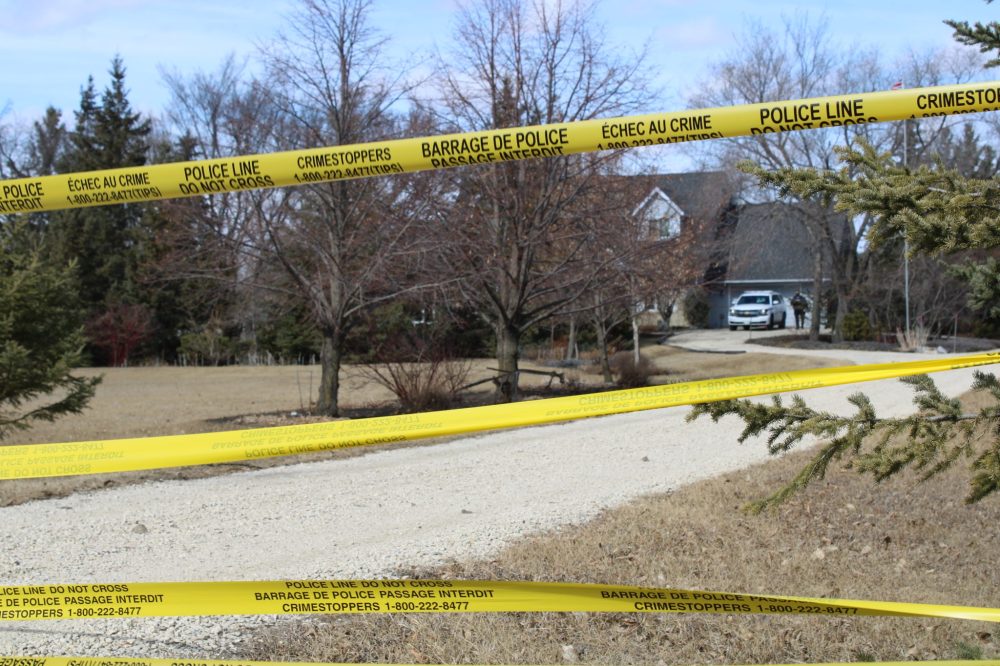
The brutal home stabbing of the retired couple, who were two months away from celebrating their 50th wedding anniversary, sent shockwaves through their quiet rural-residential neighbourhood near Lorette.
Reimer, 27 at the time of the incident, admitted to the murders, but psychiatric evaluations determined he carried out the crime in the grip of a severe psychosis that included auditory and visual hallucinations. As a result, Greenberg said Reimer was incapable of appreciating his actions were wrong.
Reimer remains in custody after last week’s ruling. The Manitoba Criminal Code Review Board now has 90 days to decide whether he will be confined to a mental health facility.
Summerville said NCR verdicts are not arrived at lightly or quickly, especially in the case of such a violent crime.
“It’s immensely complicated because there’s so many factors involved.”
But that doesn’t stop them from being difficult for victims’ families and the public to process.
Summerville said he hopes the Review Board orders Reimer to undergo inpatient treatment at the Selkirk Mental Health Centre, where the average stay for someone in his situation is 10 to 12 years.
Staff there are equipped to treat Reimer’s schizophrenia, Summerville said, and his history of substance use and childhood trauma. Patients also learn stress and illness management.
“It’s not just tests,” Summerville said. “It’s the finest mental health treatment anyone can get. Substance abuse is addressed, the mental illness is addressed, unresolved trauma issues…all that is addressed.”
A patient’s progress is closely monitored, and individuals who don’t progress may never be granted an absolute discharge. However, Summerville said there is hope for most patients, even those who have committed a violent crime. Reoffending rates for NCR individuals are around seven percent, far below the 47 percent recidivism rate for the general jail and prison population.
Summerville said the fear that NCR individuals will reoffend no matter their duration of treatment is often rooted in a lack of knowledge about schizophrenia and mental illness more generally.
“We have to remember that people who live with schizophrenia are not always in a state of psychosis, and most people with schizophrenia do not have the depth and the degree of the paranoia that accompanied Reimer’s psychosis,” he said.
“Ninety-seven percent of (those with) schizophrenia do not get involved with the criminal justice system. They’re law-abiding citizens.”
While societal understandings of mental illness have progressed over the last decade, Summerville said that progress can roll back when someone who lives with a mental illness commits a violent crime.
In Summerville’s experience, NCR individuals who have undergone intensive treatment recognize what they’ve done.
“The vast majority live with profound guilt and shame,” he said.
Summerville said Canadians can have confidence in NCR verdicts because of evidentiary thresholds and legal safeguards contained in legislation. He said less than one percent of people who seek an NCR plea are successful.

“Review Boards, when they are doing their review, public safety is paramount.”
Summerville is sometimes contacted by family members connected to court cases involving an accused who lives with a mental disorder. He said he begins discussions about NCR verdicts by noting there are two families affected by the crime.
“The second thing I say to people is, ‘I know this is controversial.’”
Summerville said that controversy often splits along political lines.
“More conservative people tend to struggle more with an NCR verdict,” Summerville said, “even perhaps some Christians, of which I am one. The more liberal you are in your politics, then the more likely that…you don’t have a problem with NCR.”
Summerville, who was CEO of the Manitoba Schizophrenia Society from 1995 to 2020, noted Reimer had been in and out of hospital for schizophrenia treatments earlier in his life.
Summerville said it’s fair to ask whether the mental health system gave Reimer the help that he needed, and whether Reimer availed himself of the help that was offered.
“It’s probably no to both of those questions,” he said.
Summerville said cases like Reimer’s are an opportunity to take stock of gaps in Manitoba’s mental health system, which he likened to a pinball machine, that leaves a patient battered by the levers of mental illness before falling through holes in the system.
Summerville said people must be able to easily access the mental health system, navigate it once they’ve accessed it, and receive peer support to strengthen their recovery journey.
That’s why he advocates for a recovery-oriented mental health system that does more than reduce symptoms.
“The mental health system we currently have, if you can get into it, is just symptom reduction,” he said.
“A true mental health system is one that’s recovery-oriented, in which it’s person-centred and you have recovery conversations with the individual to inspire hope and purpose and meaning.”