
RM of Springfield sued for banning audio recordings in council chambers
Advertisement
Hey there, time traveller!
This article was published 11/07/2025 (258 days ago), so information in it may no longer be current.
The RM of Springfield is embroiled in a lawsuit by four members of the public over the question of whether or not they are allowed to record council meetings.
In a notice of application, defendants Daniel Robert Page, Karen Lalonde, Janet Nylen, and Gloria Romaniuk claim that the decision not to allow the public to record council meetings is an infringement on their right to freedom of expression as outlined in the Charter of Rights and Freedoms.
Undersection 2(b) the Charter states “freedom of thought, belief, opinion and expression, including freedom of the press and other media of communication.”
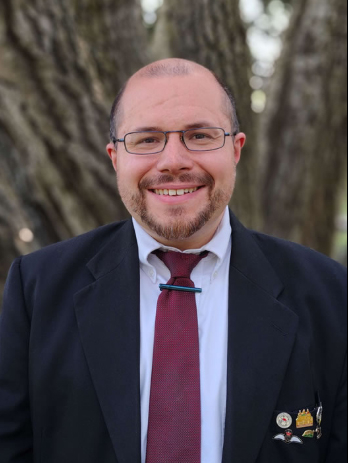
“As part of the freedom of expression, people have the right to record in order to disseminate the news in order to let people know what’s happening in the RM. To put a short answer to infringement is that not allowing recording is an infringement of freedom of expression that’s the core of our case,” said Charter Advocates of Canada attorney Darren Leung.
The notice of application reads that on Feb. 4 CAO Colleen Draper stated only media are allowed to record council meetings with approval 48 hours prior to the meeting according to the municipality’s procedural bylaw. The bylaw does not state that the public is prohibited from recording the meetings.
On Feb. 11, Mayor Patrick Therrien informed the public that cell phone recordings of council were prohibited as it was too disruptive. “In this day and age with phones and small devices you can do it in a very non-intrusive manner that doesn’t obstruct the proceedings,” said Leung.
On March 26, Page requested two days prior to the next scheduled meeting to record, but was denied by Draper.
Leung was asked if Page views himself as media and the response was that the focus is less on the “the class of person,” such as a journalist, and more focused more on the act of what Page is trying to do, which is to “record information about the sessions of council and then letting the community know what happened.”
Page posts videos of the RM Zoom meetings on YouTube and Facebook.
The RM had a bylaw that permitted the public and media to record meetings dependent on approval 72 hours beforehand. That bylaw was replaced in 2019 with a bylaw that took out the public’s right to record meetings. In 2023, another bylaw was put in place to remove video recordings of council meetings from the website and to only have audio posted. Media were still allowed to audio/video meetings.
The RM does live broadcast its meetings on Zoom and posts audio recordings of the meetings within two days after the council meeting. The recordings The Carillon listened to were clear and speakers were reminded to turn on their microphones when addressing council. According to the lawsuit, the Zoom meetings are sometimes inaccessible and of poor audio quality. The audio recordings are deemed by the plaintiffs to be challenging to follow and the audio is poor.
Coun. Mark Miller voted against the ban on recording council meetings by the public as he feels it’s a matter of transparency and accountability.
“It’s something that would help clarify the position of our council as well as probably councils right across our province,” he said about the lawsuit.
Therrien declined an interview as the matter is before the courts.
The ban on public recordings of council meetings is not only happening in Springfield. Recently, the City of Nanaimo passed new bylaws banning citizens from recording public council meetings and taking photographs or video on municipal property without approval.
So far, Springfield is the only known municipality to be taken to court over the recordings. The only case that comes close is in the 1990s where a corporation in Nova Scotia tried to record a session in the legislature and was denied. The corporation cited Charter 2(b) and won in the lower court and the court of appeals, but the Supreme Court of Canada overturned it because the legislature has parliamentary privilege where “they can make their own rules and that’s something that municipalities don’t have,” according to Leung.
“I always find it very difficult, especially on such a new issue like this, but I’m quite optimistic about this case. I’m quite optimistic we’ll be successful on the application,” said Leung.