
Whitemouth, Reynolds residents worried dissolving shared planning district lessens oversight
Advertisement
Hey there, time traveller!
This article was published 03/11/2025 (219 days ago), so information in it may no longer be current.
Whitemouth and Reynolds residents voiced concerns on potential oversight gaps during a Monday public hearing, following both rural municipality councils unanimously voting to support dissolving the joint planning district, citing it as “redundant” and cutting costs.
Tensions rose at the meeting as members of the four-person planning district board interrupted speakers raising concerns.
“We’re not double dipping because you cannot do this work inside of your regular council. You have to have somebody that’s dedicated to it,” former Whitemouth Coun. Martin Saxler told the board.
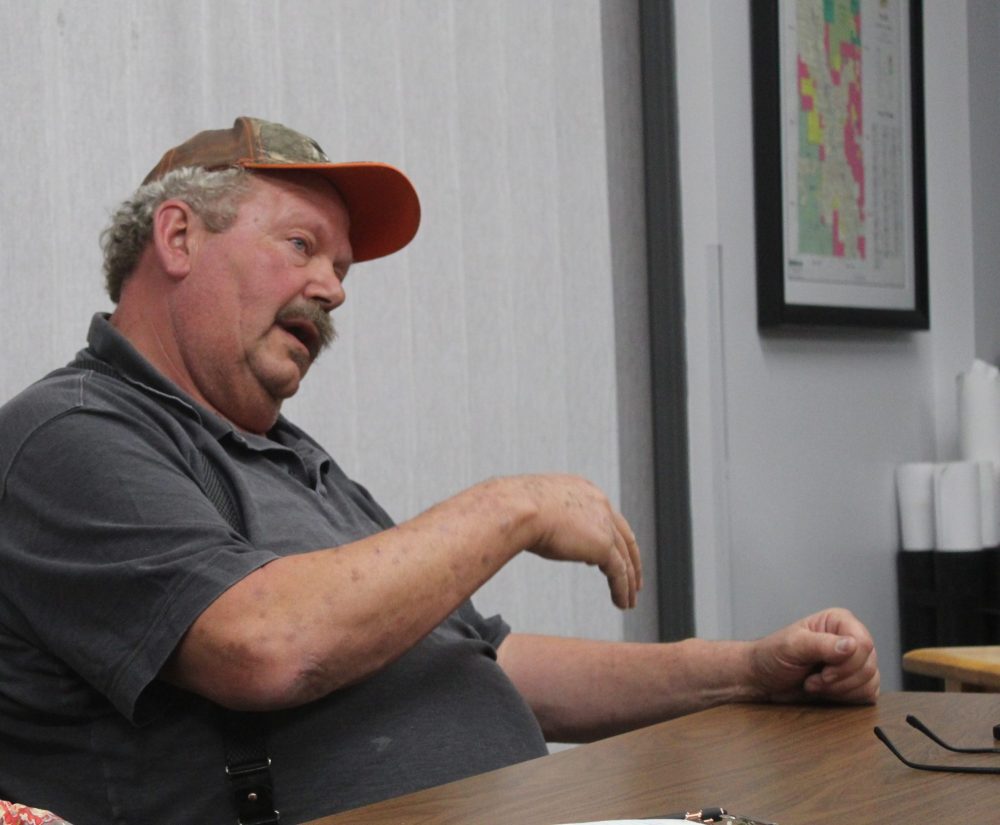
He raised worries over regular council meetings not taking enough time reviewing development applications when approving. Saxler said the planning district board is a necessary safeguard in catching details that may be missed and recommending changes.
“I don’t believe you’re going to save any money by just losing the board, because you still have to do the work as a regular councillor,” said Saxler, who previously served three years on the planning district board.
Both municipal councils passed the resolution to support the planning districts dissolution on Aug. 12.
David Turchyn, former Reynolds reeve and planning district board chair, said having the shared planning district is important because the two municipalities have a tradition of working together. He remembers spending multiple hours going through subdivision applications while he was on the board. If the board is dissolved, he’s worried that level of oversight is gone.
“There will be no openness for 1,344 people in the largest municipality,” he said.
The Whitemouth Reynolds Planning District isn’t unique. Under The Planning Act, two or more “adjoining municipalities” can form a planning district in Manitoba. There are 31 planning districts, across the province. The Rural Municipalities of Ritchot and Macdonald also have a planning district, similar to Whitemouth and Reynolds.
Whitemouth Coun. Duncan McDougald said dissolving the planning district was brought forward because he sees much of the work as redundant reviews of subdivisions and disbanding could save both rural municipalities money. The board is doing “much less” work than it used to, he said, pointing to the shift two individual development officers compared to one shared.
Each rural municipality pays $9,000 annually to operate the planning district, plus any expenses relating to attending national planning conferences, said McDougald. Most of the costs are for paying a secretary treasurer.
He said it’s redundant because both councils still have to approve the applications and can ignore the planning district’s comments. Oversight is important, McDougald said, but it’s the same people on the planning district board and at council looking at the applications.
“It’s like the police policing the police,” he said.
Reynolds Reeve Russ Gawluk, who also sits on the board, said the planning district doesn’t provide “bang for the buck” and the money spent on the district could be used elsewhere.
“We’re not trying to get out of work. We’re trying to make sure that we spend the tax dollar as efficiently as possible, which I don’t believe this is either,” he said.
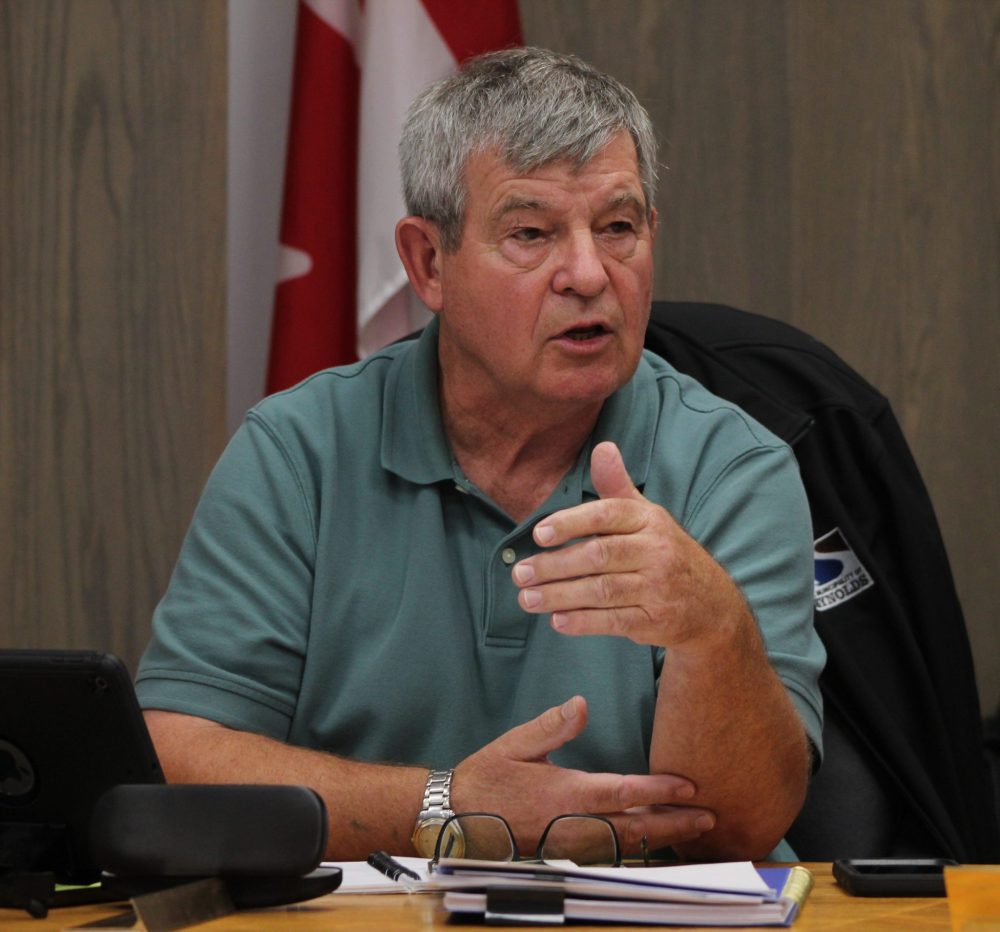
Gawluk said both municipalities have evolved beyond sharing a district and a development office/building inspector. Both municipalities need to have separate personnel because of the difference between both areas.
“We don’t have a sidewalk to our name. We don’t have a water treatment plant. We don’t have a lot of things that Whitemouth currently does,” he said.
He said hiring more full-time development officers for the district would be difficult because it’s a specialized position and requires high mileage to cover both municipalities.
Following the public hearing, the planning district meeting continued. During the meeting, McDougald said he heard “loud and clear” that residents want accountability.
“They want oversight. If we erred on thinking that people trusted us, that was a mistake on our part, because I see now that people don’t trust their government,” he told the board.
After hearing the concerns raised at the public hearing, McDougald said he changed his mind and no longer supports dissolving the the board.
“I didn’t realize the trust for government is so low that we as a group aren’t trusted to review a simple subdivision and say it’s good and then send it to council,” he said.
Gawluk said the planning district board members are now obligated to tell the two councils that the public doesn’t want to dissolve the planning district.