
Doctors Manitoba reports record breaking gains in recruitment, retention still an issue
Advertisement
Doctors Manitoba has released its annual report on physician recruitment and retention, which shows that physician numbers have increased in the past two years, but more needs to be done for retention.
“It’s been an exciting two years. We’ve had two record years of increases in physician numbers here in Manitoba, which means we’re getting closer to finding a family doctor for every Manitoban, and shortening wait times for specialist services like diagnostics and surgeries,” said president Dr. Nichelle Desilets.
“We really appreciate the opportunity to also point out that retention is as much of an important issue as recruitment. It’s one thing to get a doctor to come to the area, but it’s another to retain them. So, we recognize that they both have equal importance.”
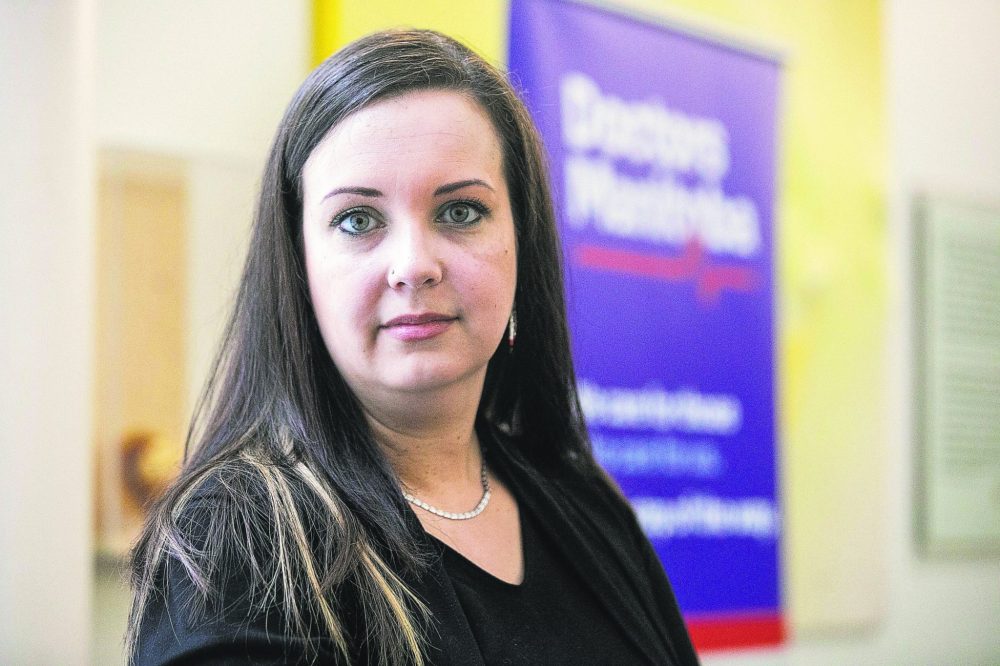
Between May 1, 2023, and April 30, 2024, Manitoba recorded 3,334 physicians working in the province. When compared by per capita, the number of physicians rose by two percent per year, which was the biggest increase among all provinces. Data also showed that the province had a record-breaking net increase of 164 doctors, but had a shortage of 346 doctors, which is an improvement over 2023’s number of 445 doctors.
This year, Doctors Manitoba is reporting that the province now has 225 physicians per 100,000 people, a 2.5 percent improvement over last year that moves the province closer to the national average of 241. Manitoba needs 246 more doctors to meet the national average, down from a high of 445 just two years ago.
“While Manitoba made strong progress on recruitment, this year’s research reinforces the need to focus on improving our efforts to retain the doctors we have,” said Desilets. “Manitoba loses more doctors to other provinces than we gain, and Manitoba appears to be retaining fewer local graduates, both flags that need to be addressed to avoid seeing our shortage grow again.”
In 2024, Manitoba saw a net loss of 8.3 physicians per 1,000 people to other provinces, the second worst performance of all provinces, according to the Canadian Institute for Health Information.
This year’s report shows that 43 percent of surveyed doctors are considering reducing their hours, retiring, or leaving Manitoba in the next three years. In terms of retiring, 710 physicians (or 21 percent of all doctors) are considering retiring or leaving Manitoba in the next three years. Fifty-six percent of physicians are experiencing distress and 48 percent are experiencing high rates of burnout. Only 60 percent of students and residents are planning to stay in Manitoba, with the other 40 percent planning on leaving or were undecided on their plans.
“Frustration about broader issues within Manitoba’s health care system like excessive administrative burden, siloed electronic record systems, and a lack of access to equipment and facilities are key drivers of physician burnout and distress, and thus major reasons why they are planning to leave the province,” explained Dr. Desilets. “We need to see continued investment in these areas to provide physicians with the support they need and deserve. Broader supports for physicians lead to better patient outcomes and a healthier medical system in Manitoba.”
Desilets said that as medicine changes, so does the way it is practiced. She said necessary innovations include getting rid of useless paperwork that doesn’t help patients and using team-based care so that everyone can be attached to a medical team.
Recently, the province made the move to end the writing of sick notes. The province also created a new funding model last year where doctors are not only paid for each patient that visits them, but they can claim renumeration based on their patient load and the complexity of those patients’ health conditions, and they can also bill for a portion of their hours providing indirect care.
Desiltes noted one way that retention can be implemented for areas outside of Winnipeg is by creating a policy to change the process by which certain medical services are delivered, with patients and doctors being consulted for their feedback, “ensuring that there’s no collateral damage on the other end.”
Another way to retain doctors is to build a sense of community around them, such as schools for their children, jobs for their spouses, or recreation facilities or clubs for them to join. She also said selling Manitoba to potential recruits is essential as is trying to make immigration into the province easier for international physicians.
According to Southern Health, there are 106 physicians practicing in the Southeast. It also reported that four doctors have left the area since January. There are currently 32 physicians working at Bethesda Regional Health Centre in Steinbach.
“Southern Health-Santé Sud plays a vital role in physician recruitment and retention by maintaining strong connections with medical students and residents. We actively participate in recruitment events both within Manitoba and beyond, ensuring a steady pipeline of future physicians. Our efforts are strengthened through collaboration with the HCRRO (Health Care Retention and Recruitment Office), private clinics, and communities across our region, all of whom contribute significantly to supporting and sustaining physician recruitment and retention,” read a statement from the health organization.
The City of Steinbach’s mayor’s task force on physician recruitment and retention has been showing the city and all its amenities to potential candidates since 2024, including the Bethesda Regional Health Centre with its departments and equipment, the Southeast Events Centre, and other areas of interest in the city. The practice seems to be working as the city has recruited six new doctors.
The mayor noted two of the recruited physicians, who will work in private clinics, were amazed by Steinbach’s size and amenities. They thought they were coming to a village and not a “thriving city.”
“(They said) how come nobody knows that this place is so big? You know, they said, they’re both in transition they’re trying to bring their wives to Steinbach, as well, to this area and they said they would move to Steinbach, (that) this is a beautiful city and we drove them by a few things…and they were actually amazed,” said Funk.
The city is also part of the Association of Manitoba Municipalities’ cities caucus, consisting of 10 urban centres in the province. The group is lobbying for the University of Brandon to up the number of physicians in their medical program from 10 seats to 30. The focus is on having a rural family doctor streaming school. The city needs 10 more doctors to meet its needs, but Funk said that number doesn’t account for attrition, such as retirement or burnout.
“So, I think we’re going down the right road. I think now is not the time to take the foot off the gas pedal. I think now is the time to keep holding down, just press it all the way down and keep going,” he said.
Funk said the next step is to hire someone who will go and promote Steinbach as a place to practice medicine at the university level. He also said a weekend retreat for doctors in Steinbach where they are put up in a hotel, shown the city, and allowed to practice medicine at Bethesda to test the waters there, could be on the horizon.
Funk also said the system might have to change because doctors today want to have a better work life balance and quality of life.
“So, when they have their days off, they want to go do their…kayaking or hiking or they want to do what their interests (are), right? And so they want quality of life. They want to have a blend of balance where there are many doctors that – and you can talk to older doctors that retired – they worked nonstop, virtually probably around the clock at times, right? And I think…the days of doctors like that, I think that’s something that we have to get used to (that) that’s not going to happen anymore.”
Funk added he would rather have a doctor come in the city and practice medicine with 800 patients and then wait a year for one that only wants 50 to 100 patients than not have enough.
“So, I think…let’s find two doctors, replace one, right? So maybe we’ll need more room. So, what does that mean? Well, maybe there needs to be some more clinic space made available.”