
Red-Seine-Rat wastewater plant gets $22M from province, feds
Advertisement
Hey there, time traveller!
This article was published 05/12/2025 (262 days ago), so information in it may no longer be current.
The provincial and federal governments are boosting funding by $22 million for a southeastern Manitoba wastewater project servicing six municipalities.
On Nov. 25, Ottawa and the NDP government announced both governments will fund $76.9 million for five water and wastewater projects across the province.
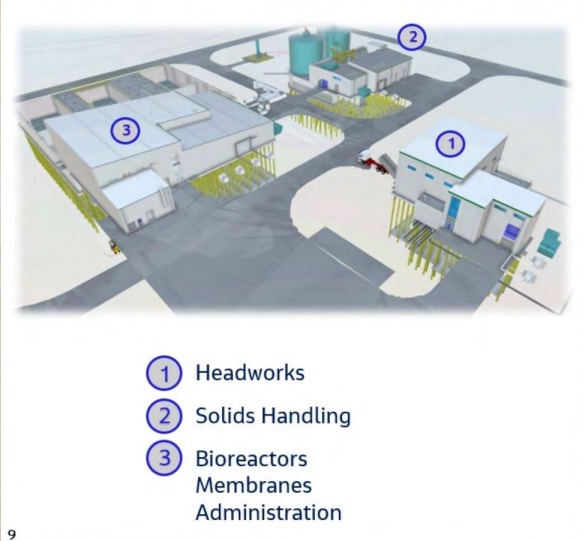
The Red-Seine-Rat Wastewater Co-operative, a wastewater treatment plant slated for construction in 2026, was among the projects earmarked for more cash. Once completed, the plant would allow populations to double for 13 communities in the municipalities of Niverville, Hanover, Tache, De Salaberry, La Broquerie and Richot.
Manitoba’s Minister of Municipal and Northern Relations Glen Simard views the project as a high priority because it’s in one of the province’s fastest growing areas.
“We’re putting pipes in the ground, so to speak, to make sure that the foundational infrastructure is there so approvals can happen and planning can happen,” he said
“When you put the foundation in first and build a solid one, growth around it can be done on really strong footing.”
Of the funding promised, $12 million will come from the federal government’s Canada Housing Infrastructure Fund, with the province footing the remainder.
Jim Funk, Hanover reeve and chair of the RSR Wastewater Co-operative, said the funding will help continue progress on the estimated $234 million project and lessen the financial weight ratepayers have to bear.
“We are truly grateful for this pivotal provincial investment, supported by the government of Canada,” he said. With constructions costs rising each year, this support is vital to keeping our project on track and ensuring that shovels are going to be in the ground in 2026.”
He said the co-operative has been working with the federal government and province to secure the funding. The group hopes to see more from both governments to bolster the project, he noted.
The water treatment plant is necessary to help municipalities continue growing, Funk said. Kleefeld has reached its wastewater capacity and can’t move forward on new developments until that’s increased, he said.
Prior to the new funding, the province footed $18.06 million and federal government gave $21.68 million. La Broquerie also paid $15 million for the project. The remaining $179 million is covered through financing and municipal contributions. The plant is expected to begin operating in 2028.
The project will added 100 kilometres of piping and shift municipalities away from relying on methane-producing lagoons. The project could reduce municipalities’ green house emissions by 93 percent, Gordon Daman, the co-operative’s community consultant, previously told The Carillon. More communities could be added in the future due to the plant’s modular design.
Niverville Mayor Myron Dyck said working together with other municipalities on the project is necessary to keep it affordable for ratepayers. The project initially only had four municipalities signed on, but the increased funding is to address the new communities added, he said.
“This is in recognition that the scope of the project has gotten larger, therefore the cost is larger to account for these additional municipalities,” he said.
Dyck said the project would save nearly 1,800 acres of agricultural land that would’ve been used for lagoons. It would also provide the infrastructure needed to help Niverville attract more residents and industries to the area, he added.
The province and federal governments also released funding for a lagoon in Boissevain, a Morden sewer line to Winkler, the Pembina Valley Water Co-op and water and wastewater projects in Brandon.