
Springfield tackles climate change starting with a tree inventory
Advertisement
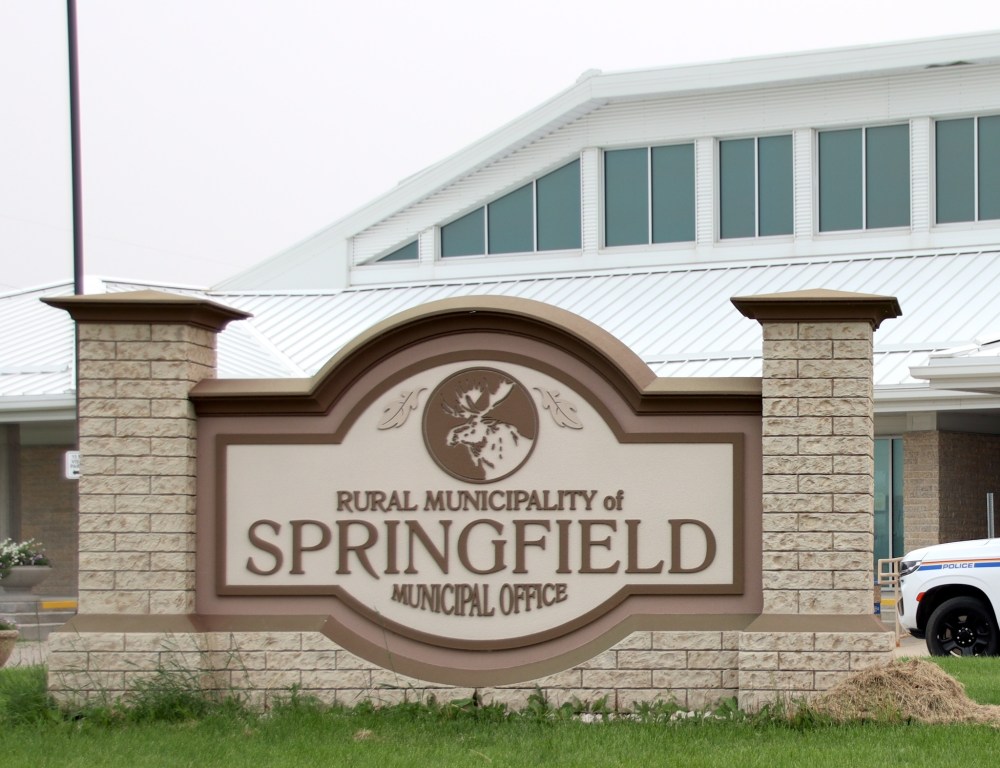
The RM of Springfield is creating a climate change adaptation plan, beginning with a tree inventory.
“(The) climate (change) adaptation plan is basically a plan to get the RM of Springfield ready for future events such as drought, low water levels, flooding, extreme heat, extreme cold, wildfire smoke, air quality, and of course winter snow,” said Nomar Yorobe, utility projects and asset management coordinator.
The RM has been working on the plan since September when they applied to the provincial government for funding. Currently, Springfield is waiting to hear if their plan is successful. Springfield has budgeted $83,000, but the funding only covers up to $70,000.
“So, we’re basically just waiting, in the waiting game for now. And we are hoping to get an answer, of course, next year. And I believe the timeline is to get it done within two years,” said Yorobe.
Yorobe has created a five-point proposal for the climate change adaptation plan, which will include a climate risk and vulnerability assessment, stakeholder and community engagement, a zoning bylaw, workshops, and finally creating a draft plan and submitting it to council for approval.
He said the RM wants to be proactive to climate change instead of reactive in order to protect residents and services and to prevent disruptions. To prevent a lack of public engagement and misinformation, Yorobe will have public information sessions, workshops, and climate change information in understandable language sent through email and on the municipality’s website.
“It starts with educating, spreading knowledge (about) climate adaptation, because it’s not just about reducing emissions. It’s so much more than that,” he said.
Yorobe decided to do a tree inventory as the first step in the climate plan beginning in Oakbank this August. Two-thousand trees were inventoried and inspected in parks, municipal properties, and rights-of-way.
Yorobe is currently taking a course at the University of Manitoba so that he can be the arborist for the municipality. He plans on doing a tree inventory next year in Dugald and maybe Anola. He also plans to return to Oakbank and reassess the inventory to see if any trees were missed.
Overall, 1,949 trees in Oakbank are in good health, although some trees were cut down due to old age or poor condition due to a lack of water. In total, 20 trees were cut down.
“Because trees, typically, once they start declining, they have like one or two years until they completely die,” he said.
The majority of Oakbank trees are white spruce and little leaf linden although the arborist’s report does state that the RM also has Manitoba maple, willow, American elm, ash, birch, various poplar species, Tamarack, and balsam fir. Other smaller growing species native to the area include various plum and chokecherry species, as well as shorter willows such as Bebb’s willow, Serviceberry, and Viburnum.
Yorobe said he was glad Oakbank doesn’t have a lot of ash trees as it means the municipality won’t have to deal with the emerald ash borer, something he said has plagued the City of Winnipeg.
“We have 1.8 percent or 36 (ash) trees in the town of Oakbank.”
The next step for Yorobe is to apply for an urban forestry plan and studies grant. He couldn’t say how much the RM has budgeted for the tree inventory, but he hopes that once the urban forestry plan and the climate change adaptation plan are in place he can ask council for a budget.
Yorobe hopes council will pass a bylaw requiring more trees on municipal land and in everyone’s yard as some properties don’t have any trees, which can look “barren.”
“I would like them to implement it, but I’ll have more (of a) voice later on once I’m more of an arborist here, hopefully. Or when we get our climate change policy and our asset management policy updated.”