
COLUMN: Village News – The practice of bloodletting in the early 1800s
Advertisement
Hey there, time traveller!
This article was published 21/01/2026 (277 days ago), so information in it may no longer be current.
When Mennonite settlers moved from Prussia to South Russia (present day Ukraine) beginning in the late 1700s, they carried with them not only their language, faith, and agricultural expertise but also the medical knowledge and folk practices common in central and western Europe at the time. Among these practices was bloodletting, a treatment that had been used for centuries across Europe and was still widely accepted in the early 19th century. Although Mennonites were known for their practical skills and resourcefulness, they were also products of their era, and their approach to health reflected the medical theories available to them.
Bloodletting was rooted in the ancient medical theory of humoral balance, which held that the body contained four fluids—blood, phlegm, yellow bile, and black bile—and that illness resulted from an imbalance among them. Removing blood was believed to restore equilibrium, reduce inflammation, and relieve a wide range of symptoms. By the early 1800s, European physicians and lay healers alike still used bloodletting to treat fevers, infections, headaches, and even emotional disturbances. Although modern medicine has long since disproven the humoral system, at the time it provided a coherent and widely accepted explanation for disease.
The bloodletting procedure itself could be performed in several ways. Venesection, or opening a vein with a small blade, was the most direct method and allowed the healer to remove a controlled amount of blood. Cupping used heated cups placed on the skin to draw blood toward the surface, sometimes breaking the skin to release it. Leeching involved placing medicinal leeches on the body to remove blood gradually and was often considered gentler and safer than venesection.
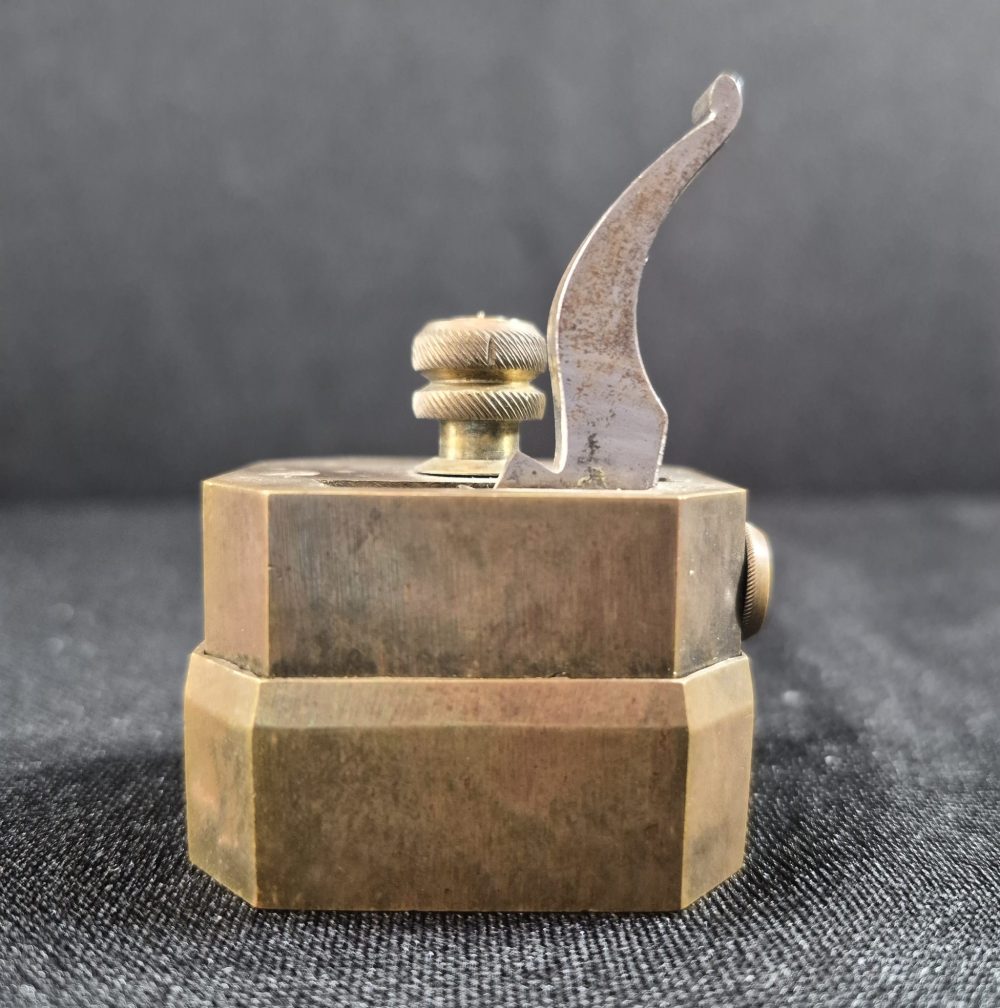
Life in the South Russian steppe presented challenges that made medical self reliance essential. The early Mennonite colonies—Chortitza (founded in 1789) and Molotschna (founded in 1804)—were relatively isolated agricultural settlements. As a result, community based healing became the norm. Midwives, herbalists, and experienced elders provided most medical care, drawing on a blend of traditional remedies and practical experience.
Bloodletting fit naturally into this system because it required minimal equipment and could be performed by trained laypeople. Mennonite diaries, letters, and community records from the era frequently mention Aderlassen (German for bloodletting) as a routine remedy. In some households, the tools for bloodletting—a lancet, a bowl, and sometimes a set of cups—were kept alongside herbal salves and tinctures. The practice was not viewed as exotic or extreme but rather as a normal part of maintaining health.
Bloodletting often produced immediate physical sensations—light headedness, warmth, or relief from pressure—that patients interpreted as signs of improvement. In an era before germ theory, such results reinforced belief in the treatment and encouraged its continued use.
Bloodletting, like midwifery or herbal medicine, was a way for community members to support each other without relying on outside institutions. The act of tending to a sick neighbour or family member was woven into the fabric of Mennonite communal life, reflecting their values of service, humility, and interdependence.
Bloodletting was used for conditions such as high fevers, “bad blood” or skin eruptions, headaches and dizziness, rheumatic pains, and respiratory infections. Mennonite healers often combined bloodletting with herbal teas, poultices, and rest, creating a holistic approach based on the knowledge available to them. Although the practice could be dangerous if overused, it was considered a responsible and even compassionate form of care.
By the mid 1800s, medical science began shifting toward more modern understandings of disease. As Mennonite communities gained better access to trained physicians—some of whom were eventually Mennonites themselves—bloodletting gradually fell out of favour. New scientific ideas, improved sanitation, and the spread of vaccination contributed to changing attitudes. By the late 19th century, bloodletting had largely disappeared from Mennonite medical practice, replaced by newer treatments and, eventually, a growing trust in scientific medicine.
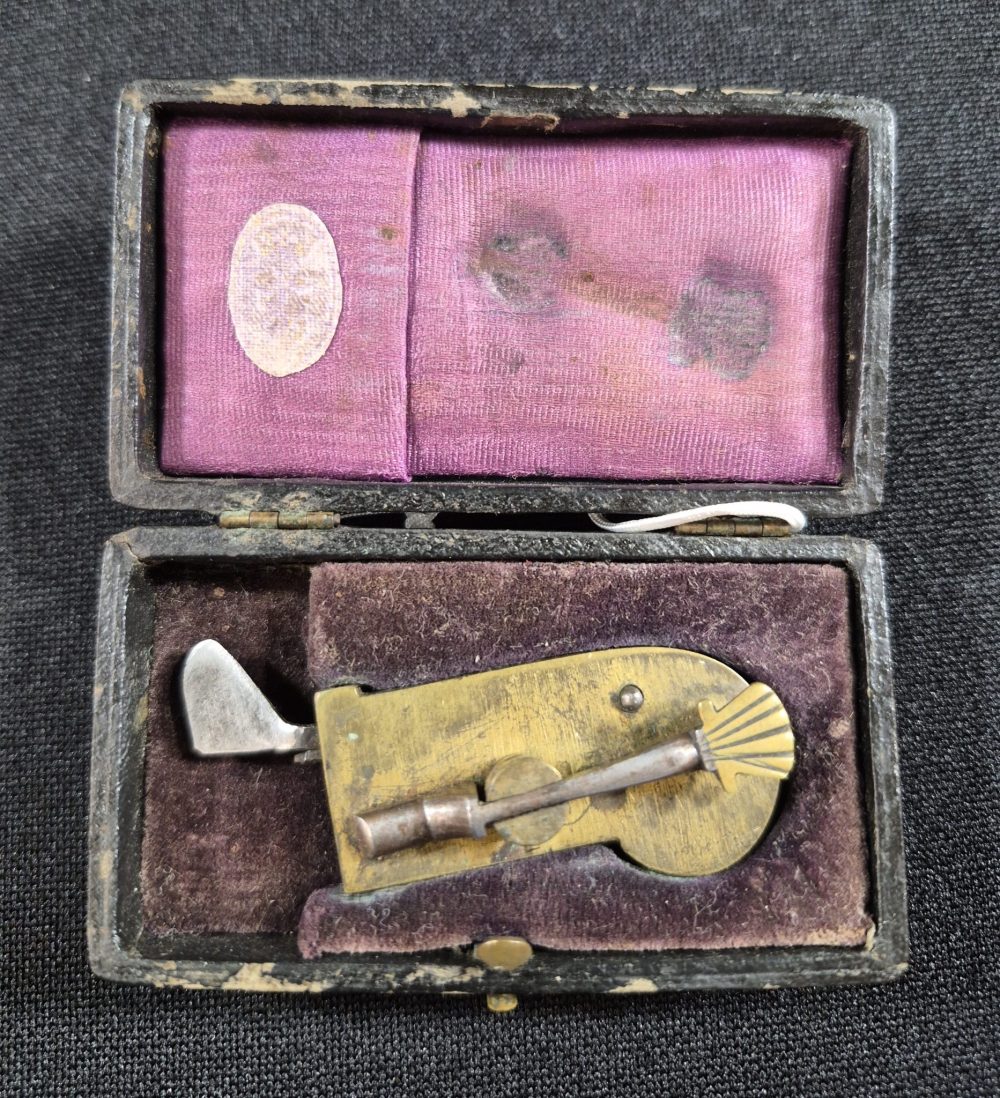
The practice of bloodletting is just one facet of Mennonites and Medicine, MHV’s upcoming exhibit in the Gerhard Ens Gallery later this spring. Through compelling stories and carefully selected artifacts, the exhibit traces medical practices from the 1800s to the early 1900s, offering a vivid look at how Mennonites understood illness, healing, and community care. Visitors will encounter the tools and techniques used in the 1800s—including bloodletting—and follow the stories of practitioners who shaped Mennonite medical life over the decades, from tracht’moakas (bonesetters) and midwives to nurses and doctors.
The exhibit also explores the remarkable growth of Mennonite-led hospitals and medical institutions in the late 19th and early 20th centuries, revealing how a community once reliant on home remedies and folk knowledge became active builders of modern healthcare. We invite you to step into this rich and surprising history, discover the people behind these practices, and experience how Mennonite approaches to medicine evolved across generations.
Upcoming events
Jan. 22 – 10 a.m. to 11 a.m. – Exhibit Explorers – Join us at the Mennonite Heritage Village for an engaging morning set among the fascinating artifacts in MHV’s Gallery! During Exhibit Explorers: Craft & Story Hour, children will enjoy lively stories and creative crafts that spark imagination and curiosity. Free admission.
Jan. 24 – 10 a.m. to 12 p.m. – Sewing Workshop– Learn basic sewing techniques and learn how to read a pattern. Register on our website or by calling 204-326-9661.
Feb. 7 – 9:30 a.m. to 12 p.m. – Writer’s Workshop – Join Erin Koop-Unger, MaryLou Driedger and Andrew Unger, on Saturday morning, Feb. 7, 9:30 a.m. to 12 p.m. as MHV Village Books and Gifts presents our second in a series of writer’s workshops, called “Storied Places”.
Feb. 14 – 9 a.m. to 8 p.m. – Winter Carnival – Join MHV for our Winter Carnival! Enjoy a day filled with indoor and outdoor activities, a hot food canteen, and pioneer demonstrations & interpretation. Celebrate the winter season with classic Canadian activities like a bonfire, crokicurl, skating, and snowshoeing!
For more information, visit www.mhv.ca.