
Manitoba poverty strategy needs rural focus, specific measures, Steinbach charities say
Advertisement
Hey there, time traveller!
This article was published 23/01/2026 (272 days ago), so information in it may no longer be current.
Some Steinbach charities say they appreciate the province’s new poverty reduction strategy, but are disappointed with the lack of rural focus and financial measures to help rent affordability and seniors’ transportation.
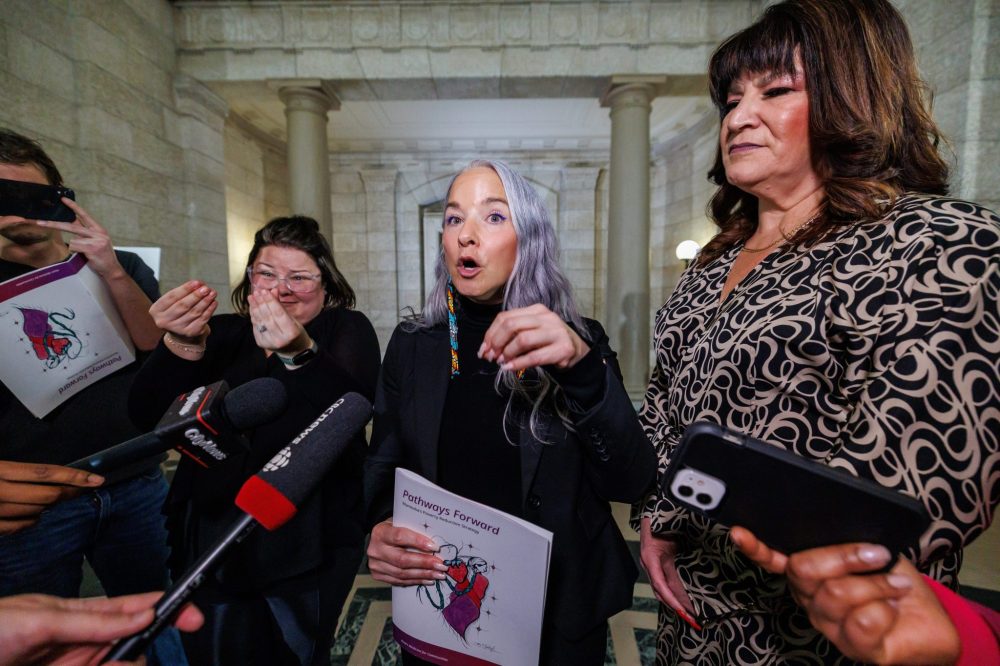
Manitoba’s five-year poverty reduction strategy was released on Jan. 13. Titled Pathways Forward: Manitoba’s Poverty Reduction Strategy, the 36-page plan targets three groups: children under five, youth exiting the child welfare system and seniors.
Steinbach Community Outreach had conversations with Housing and Homelessness Minister Bernadette Smith last year, and the charity’s leadership feels Steinbach’s needs are represented in the report, SCO’s office manager Charlene Kroeker said in an email statement. She said she’s pleased to see more focus on seniors living below the poverty line, as the charity has seen an increase of that demographic accessing services.
While the province’s plan to expand the EIA allowances will help people in Steinbach, Kroeker called the permanent pause on the federal and provincially-funded rental top-up program “unfortunate.”
The strategy detailed previously announced measures to help more people access EIA, through improving adult education and increasing the earning exceptions.
The Canada-Manitoba Housing benefit temporarily stopped accepting requests for funding in March 2025. It offered a monthly top-up of as much as $422 for a private apartment, on top of employment income assistance.
Kroeker said resources are limited when addressing poverty in Steinbach and other rural communities because many of the initiatives are left to churches and charities rather than government-funded agencies.
Steinbach is different compared to larger urban centres, such as Winnipeg, and has its own specific challenges when people face poverty, she said. Having no public transportation presents a barrier for many low-income people, Kroeker added.
“A single mom has to hustle more just to feed her child. She has to go to one end of the city to access the (Steinbach) Family Resource Center for their support, then the other end for Helping Hands, then to us in a third direction for clothing and food, and all other shopping is five miles away from social housing where she likely lives, all with a baby in tow,” she said.
Audrey Harder, executive director for Pat Porter Active Living Centre, also welcomes the government acknowledging seniors in poverty. She said seniors are often overlooked when people discuss how to address poverty.
At least 150,000 Manitobans lived in poverty in 2022.
While medical transportation for seniors was included in the strategy, the absence of general transportation improvements was disappointing, she said. While the province goal to improve mental health resources is helpful, the government isn’t providing a way for people to get there to access it, Harder said.
“It’s tough on us at Pat Porter when people call and we can’t provide the rides because we do provide a lot of rides and we have two vehicles that are constantly on the go,” she said. “There’s a need, and where there’s a need, there should be a solution or something looked at.”
Harder said she wasn’t surprised to see little mention of rural specific measures. People have gotten used to the province ignoring rural needs, she said.
“When you live rural, you just rely on your community and rely on your neighbour a lot more than we can really rely on government acknowledging or understanding that the need is there for us as well.”
Jo-Anne Dalton, executive director for Steinbach Family Resource Centre, is optimistic the strategy will lead to direct funding from the province to the charity. The centre helps 700 families every year.
“We’re hopeful that this may open the door a little bit further for us to invite Minister Fontaine and some of the committee here on this strategy to come and see a little bit of the work that we’re doing,” Dalton said.
While it’s important to focus on the groups highlighted in the strategy, working-age adults and children from ages six to 17 were left out, said Molly McCracken, chairperson for Make Poverty History Manitoba.

She said the province hasn’t addressed Employment and Income Assistance rates in the strategy, which have stayed frozen since 2022. Offering specific financial measures, such as increasing EIA, to help people is necessary for any strategy to succeed, McCracken said.
“They (the province) say they’re going to get ahead of the problem of poverty, but what we know works for that is making sure people have enough income so they are not just surviving day-to-day and helping them with wrap-around supports and good social services to live a life of dignity,” she told The Carillon.
She said the lack of details in the strategies is concerning, and she views the strategy as not being substantive enough to reverse poverty throughout the province. There aren’t many incentives for people to get off welfare because they would lose health care benefits, McCracken said. For long-term change to happen, she said people need to move into the workforce instead of solely relying on welfare.
“Welfare and EIA is what we have now, and people need help today. So it needs to be increased. But they also need to look to the future on how to modernize that program, and we’re really disappointed that that wasn’t in here,” McCracken said.
Families Minister Nahanni Fontaine said the three groups were selected because community consultations revealed they were the most vulnerable. She said the province spoke with more than 3,000 Manitobans when creating the strategy.
“Those three groups represent the life transitions where we can chart a course for the trajectory of their lives,” she said.
She noted the strategy is centred around Indigenous-led approaches to reconciliation and cultural preservation.
To measure progress, the province will track eight indicators, including Canada’s market basket measure and rates of employment, child mortality and high school graduation, the report stated. Government will publish progress through annual reports and the provincial budget.
When asked why no rural-specific measures were included in the strategy, Fontaine said the plan was informed by the consultations held across the province, and those communities are included in the measures.
She said the strategy is flexible and conversations will continue with rural and urban Manitobans. Fontaine didn’t say why the province isn’t increasing EIA, and instead said rental assist funding increases annually to follow inflation.
“It’s not like just because we release this strategy, and maybe it’s not necessarily mentioned in there, that work doesn’t continue. It is a whole-of-government approach to affordability,” she said.
With files from the Winnipeg Free Press