
COLUMN: Carillon Flashback October 14, 1992 – Dumont and Epp pitching constitutional deal to Metis
Advertisement
The Charlottetown Constitutional Accord will move Canada closer to fulfilling the vision of Louis Riel, National Metis Council President Yvon Dumont told a meeting at Richer.
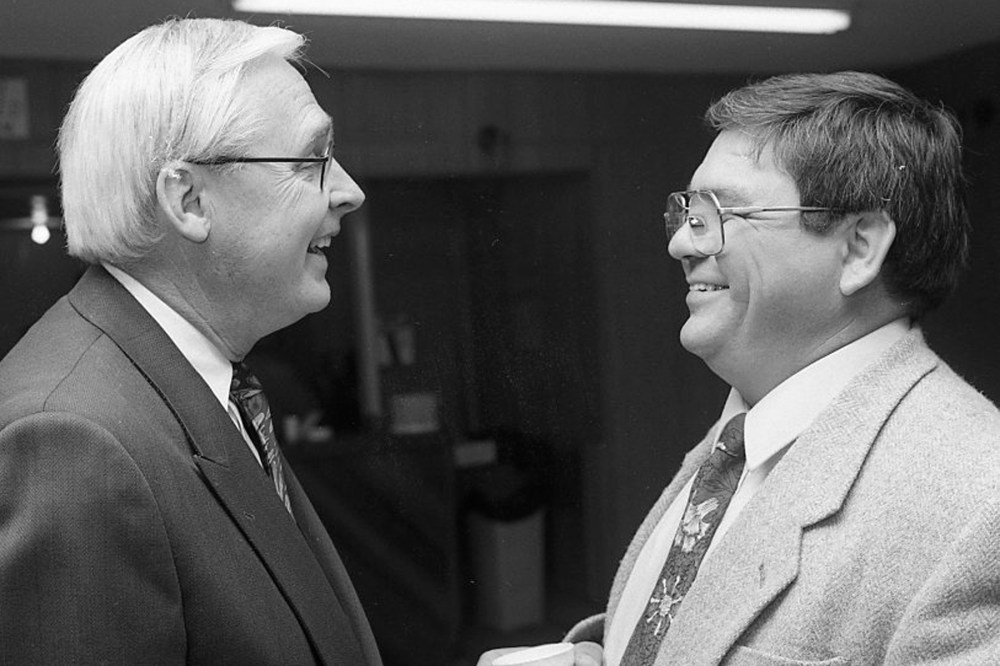
Speaking to a district meeting of the Manitoba Metis Federation, Dumont was accompanied by National Energy Minister Jake Epp and La Verendrye MLA Ben Sveinson.
“Metis like myself are proud of our heritage, but we are also proud of Canada. We believe in Canada.”
Dumont said the constitutional deal helps fulfill Riel’s vision of a Canada as a country where people from any lands can leave conflict behind and live together in peace, without having to give up their language and culture.
Europeans did not come to a vacant, barren land when settling in Canada but when the original constitutional negotiations took place in 1864, Aboriginals did not participate, Dumont said.
The agreement presently before the Canadian people acknowledges Aboriginal rights which were originally ignored. It reflects other realities, as well, Dumont said.
“Provincial rights are a reality. Differences between provinces is a reality. Provinces, once known as dependent colonies, existed before Canada.”
Dumont said the Charlottetown Constitutional Accord ensures the Metis will no longer be treated as “second class aboriginals.”
Constitutional references to Indians and their lands will now refer to all aboriginal people, including Metis, Dumont said. Constitutional changes affecting the Metis will need the consent of the Metis people.
“The agreement goes one step closer in the realization of Louis Riel’s dream.”
Provencher MP Epp, noting Riel was three times elected as MP for the riding, said he has taken a “long interest in what are the forgotten people.”
The agreement is the “best deal” possible, considering it involved 17 different people getting together to cut a deal, Epp said.
Sveinson defended the Manitoba government’s decision to sign the deal, saying the legal text will reflect the agreement. He urged people to thoroughly read the agreement as it is presented and say “yes” in the October 26 constitutional referendum.
Two weeks later, The Carillon editor Peter Dyck, suggested Canadians “shot themselves in the foot” in rejecting the Charlottetown Accord in the Oct. 28 national referendum.
Canadians had overwhelmingly supported the accord just after it was agreed upon, but in less than eight weeks its detractors convinced millions of voters to turn it down.
Pollsters found there were any number of reasons people said “No”. They hated the GST, or free trade, or they did not like the Mulroney government. Quebec voters tied a negative vote to a rejuvenated bid for sovereignty. Native leaders thought the accord failed because of its provisions for aboriginal self-government.
In any event, Dyck said, Canada had become a poorer nation, a federation seemingly held together so loosely that its citizens were unwilling to support a tie that could have helped bind the nation.
– with files from Tim Plett