
COLUMN: Carillon Flashback May 18, 1998 – Health Care Services fills home care niche
Advertisement
With the trend in health care turning increasingly more to providing care in the home, South East Health Care Services is filling a vital niche.
“We get referrals from hospitals, palliative care and home care facilities,” said Esther Rempel, who together with Brenda Loewen, owns and manages the business, which opened two years ago.
In addition, they are open to referrals from private citizens – often they are children with aging parents still able to stay in their homes, but requiring some degree of care.
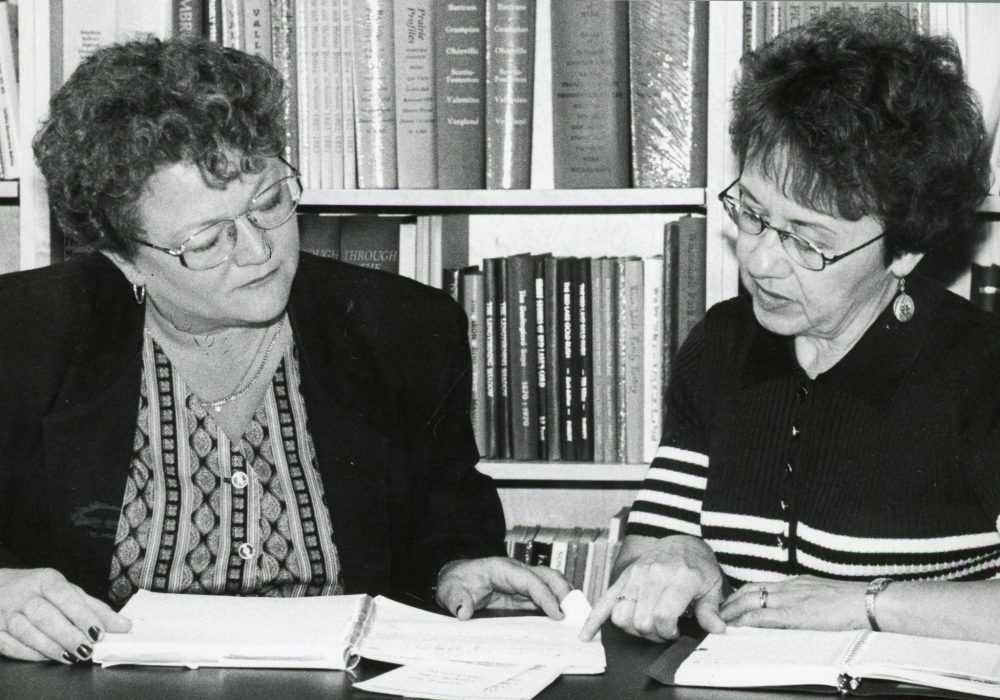
Health Care Services provides a comprehensive list of services, which includes professional nursing, homemaking, transportation, foot care, CPR training and visitation. In addition, the business is used as a staffing agency for hospitals and nursing homes.
This means there is a whole range of professionals and para-professionals on staff – 28 in all – with experience and training to meet the various needs. There are six RNs and LPNs who enjoy working in a home setting as opposed to an institution, home care aides who have received some training, and homemakers who come with a wealth of experience.
All of the staff works on a casual basis, with an average of 18 working in any two-week period.
Essentially, their coverage area is wherever calls come from and the need is – from Dominion City in the south to Oakbank in the north and Falcon Lake in the east.
Rempel and Loewen feel one of the outstanding features of their business is the individualized care they seek to give. They work hard at matching their employees with the clients, so both will be comfortable in relating to each other.
“We make sure there is a good fit,” says Loewen, adding that there is ongoing evaluation to ensure the relationship remains compatible.
The business partners, both nurses, also believe in the importance of staff development. They have instituted monthly meetings, where relevant topics such as diabetics, depression and the elderly, therapeutic nutrition and Alzheimer’s disease are discussed.
Both women feel strongly they are not working in competition with other institutions in the health care field, but rather alongside them, filling in where needed.
For example, they are in close contact with Home Care, a government service which refers clients to them who may not qualify for government assistance. It works the other way as well, with South East Health Care Services making referrals to Home Care.
While the business functions on a fee for service basis, many insurance policies cover at least the professional part of the care.
– with files from Doris Penner