
Wildfire funding falls short in Manitoba budget, PCs say
Advertisement
Municipal and Opposition critics say the province’s slated wildfire funding falls short after Manitoba fought one of its worst fire seasons on record.
Rural Municipality of Piney Coun. Mark Bernard was frustrated when he saw the 2026 wildfire budget had no funding directed towards the Southeast.
“Our ratepayers don’t understand it. They almost feel like they’re forgotten,” he said.
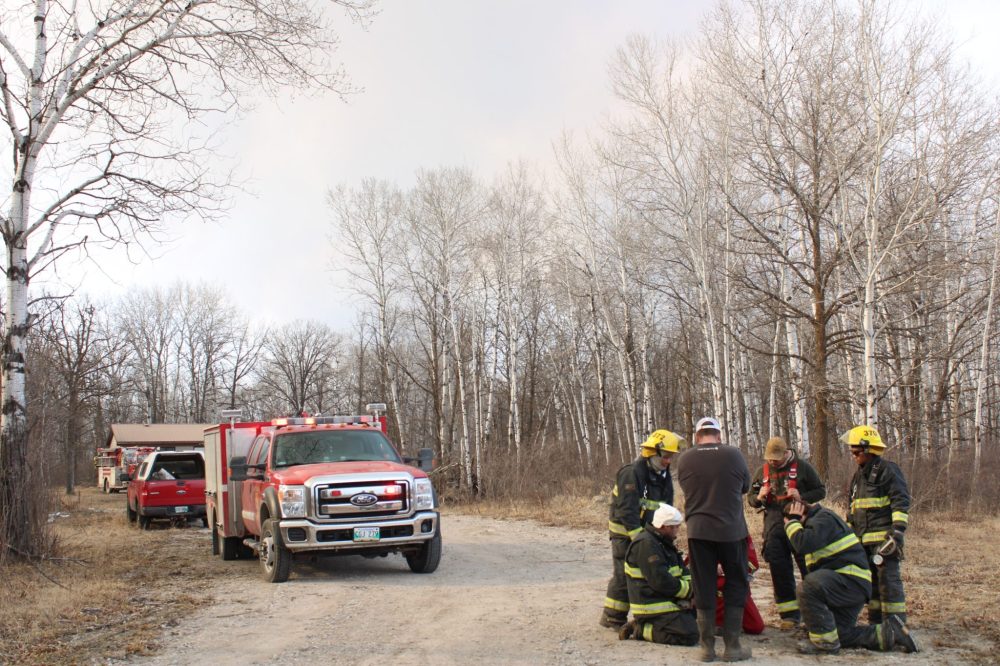
Last year’s wildfire season saw 428 wildfires, burning 2.14 million hectares of forest. In Piney, more than 9,000 hectares of forest was scorched, and 300 residents were forced to evacuate.
The proposed 2026-2027 budget, revealed on March 24, includes funding for 19 firefighters, staffing increases for the emergency management organization and upgrades to fire mapping systems. A new initial attack and fire base in Thompson was also announced, but no specifics on its cost or when it would be completed were mentioned in the figures.
Manitoba’s budgeted emergency spending remained $50 million and hasn’t increased since NDP slashed the funding from $100 million in its first 2024 budget, despite last year seeing costs rise to $383 million.
While the Conservation and Wildfire Services budget rose by roughly $4 million to $82.7 million, dollars for wildfire suppression sit at $13.9 million and have stayed static since Premier Wab Kinew formed government in October 2023.
The last increase came in the Progressive Conservative’s final 2023 budget, raising it from $13.6 million to its current amount.
When the wildfire season starts, Bernard said resources are spread thin throughout the province. Piney has thousands of acres of Crown land, making it time consuming to cover territory quickly.
He hoped to see targeted resources for specific regions, like the Southeast, rather than spreading it across Manitoba. Water bombers are a top priority on his list. The province has ordered three new water bombers, which are expected to arrive in 2031. Piney also received $315,000 in November 2025 to upgrade its fire tanker.
But those resources aren’t enough with another fire season on the horizon, Bernard said. Ordering the bombers is great, but that’s still five years away from seeing the benefits, he added.
“They’re trying to use a Band-Aid on a gushing wound, because I don’t know how many deaths they need or how many loss of structures they need before they get the message that Manitoba needs more resources,” Bernard said.
Piney and Buffalo Point First Nation were awarded a federal government grant of $204,500 in September 2025 to fund wildfire training for both community’s’ volunteer firefighters. The funding will help train up to 60 volunteer firefighters in the region.
Natural Resources and Indigenous Futures Minister Ian Bushie stood by the budget for the next wildfire season.
“In learning from last year it was, it was very clear that we were there for Manitobans. We could look at budget line items, but at the end of the day, when things got to be their worst, we were there,” he said.
Bushie said the province will spend what’s necessary to fight wildfires to keep residents safe if there are added expenses more than the budgeted amount.
He didn’t provide an explanation for why the wildfire suppression budget remained unchanged in the budget and instead pointed to the announced investments, such as hiring more firefighters and building the Thompson firefighting base.
When asked why there was no spending directed towards southeastern Manitoba, Bushie said the new measures will benefit the entire province.
“It doesn’t make any sense,” said Greg Nesbitt, Progressive Conservative MLA for Riding Mountain and the critic for environment and climate change.
“We know they can spend more than necessary, but prudent budgeting would suggest that you would raise that number based on last year’s actual.”
He said the provincial government’s budget is keeping the emergency spending amount low to show a lower deficit.
Since Manitoba spent nearly eight times over its 2025 budgeted number, this year’s budget should’ve included a number that reflected the increased spending, Nesbitt said.
The wildfire suppression budget remaining static shows the province “going backwards” because it isn’t increasing with inflation as fuel prices rise for ATVs and trucks, Nesbitt said.
“I’m just hoping, I guess, that we don’t have a bad wildfire season, and I guess they’re (the province) hoping they don’t have a bad wildfire season. But hope isn’t good enough. You need to budget. You need to have a strategy, and I don’t see it with the NDP,” he said.
Governments are often tactical when estimating spending and revenues during budget season, said Paul Thomas, professor emeritus of political studies at the University of Manitoba.
“They (the province) often want to set things up in such a way when they reach the end of the fiscal year, they can say they did better than forecast. But again, we live in turbulent, unpredictable times, and nailing down budget numbers is tricky on some parts of the of the budget, particularly,” he said.
The NDP government is vulnerable to criticism because there’s too much optimism for a less severe wildfire season by not increasing the amount of emergency funding allotted, Thomas said, noting climate change has increased the likelihood of more severe droughts and fires.
While there is internal bureaucracy when judging disaster risk to determine the budget, the level of severity still can’t be fully known, he said.
The Opposition has grounds to raise concerns over the budgeted funding, but they also need to provide credible suggestions to back it up, Thomas added.
Kyle Ross, president of the Manitoba Government and General Employees’ Union, called the budgeted wildfire spending a “positive step” when reacting to last year’s blazes.
“The government’s doing the right things and trying to ensure that Manitobans can have confidence in their wildfire service,” he said.
He said its difficult to estimate what the budget should be because the spending depends on the scale of the fire season. Since last year’s fire was a “once-in-a-30-year event,” Ross said, he believes dollars are available to help prepare for any potential fires.
The 19 firefighters is a needed addition, he said, but recruitment is still a concern. At the beginning of last year’s fire season, there were roughly 60 vacant jobs, and it’s unclear if they were filled.
“Some of our members told us that some of these fires, when they started, had we had an experienced crew on them earlier, they may not have grown into the wildfires that they became,” he said, noting low staffing is also a safety risk.
Ross said it’s difficult to recruit wild land firefighters because its a difficult, physical job and the pay isn’t high. The province’s advertised wages for a fire ranger stationed in Norway House is from $1,794 to $1,965 bi-weekly.
The province’s contract expires in March 2027, and Ross said the union will advocate for improved wages during the bargaining period.