
Initiatives for Just Communities incorporating Indigenous teachings into El’Dad programming
Advertisement
Initiatives for Just Communities has taken steps to permanently incorporate Indigenous teachings into its El’Dad programming and is welcoming partnerships with Indigenous organizations to take advantage of this programming and resources.
“We’re an organization that we believe strongly that everyone belongs in the community, no matter who they are or, I guess in some cases, what they’ve done,” said Jeremy Hawbaker, grant and communications officer for IJC.
“Our goal is to create communities for everyone, and particularly those who are stigmatized and those who are vulnerable.”
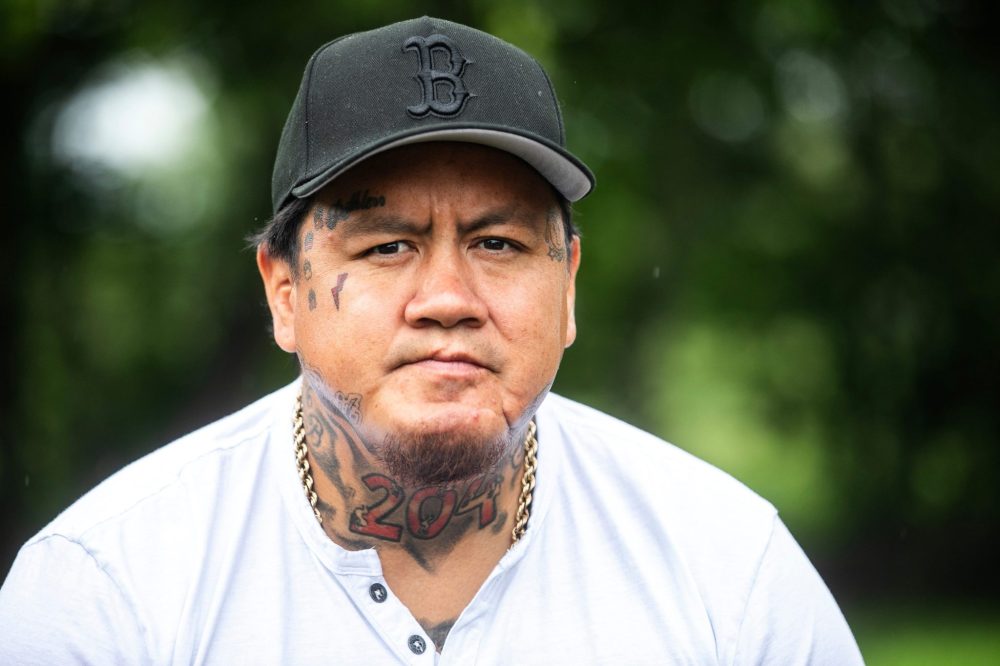
Under the El’Dad program, IJC works with people with intellectual disabilities, who may or may have not been involved with the law, and through programming, housing, and supports it is able to help reintegrate these people into society.
Hawbaker said that half of El’Dad’s participants in Steinbach and the surrounding area are Indigenous. He said that a lot of their participants come directly out of the Child and Family Services system after they’ve aged out and go right into El’Dad programming.
“A lot of them have not had any connection to their Indigenous communities or Indigenous culture. So, we’ve seen how that has caused different mental health concerns or it’s even resulted in substance abuse as participants kind of struggle with their identity, struggle to figure out who they are and where they belong in society or in the community,” he said.
Last year, El’Dad introduced a pilot project at its ranch near Blumenort where it hired on a temporary contract Knowledge Keeper Tim Barron Jr. to give teachings, run a sharing circle, build a sweat lodge, and hold workshops. This March, Barron Jr. was hired permanently to be the Knowledge Keeper.
“We saw through that just how transformative that was in the lives of some of our participants,” said Hawbaker. “So, we saw comments about this is what calms them or this is helping to clear people’s heads, figure out where they’re going in life. The goal of the service is to bring about healing – healing from the traumas of the past, whether that’s through CFS or through just whatever has happened in their past.”
What spearheaded the move to incorporate Indigenous programming now was a recognition of who the majority of El’Dad’s participants are and a real push from board chair Rev. Canon Dr. Murray Still, who is with the Anglican Church of Canada Diocese of Rupert’s Land and an Elder from Peguis First Nation. Since becoming chair, Still has made it his mission to introduce more Indigenous cultural and holistic supports into programming, including supporting a plan for participants called the Circle of Care Plan.
“It’s a holistic plan based on the medicine wheel that looks at the four aspects of each participant’s life, so physical, emotional, spiritual, mental, and making sure that we are addressing each of those areas for each of our participants so that they can, I guess, achieve a good life. That’s what we’re working towards,” said Hawbraker.
Building on what Still was doing was IJC executive director Don Shackel, who has decades of experience working with First Nations and people with FASD. Shackel wanted to offer more services and resources and expand those to participants within other agencies and eventually the community at large.
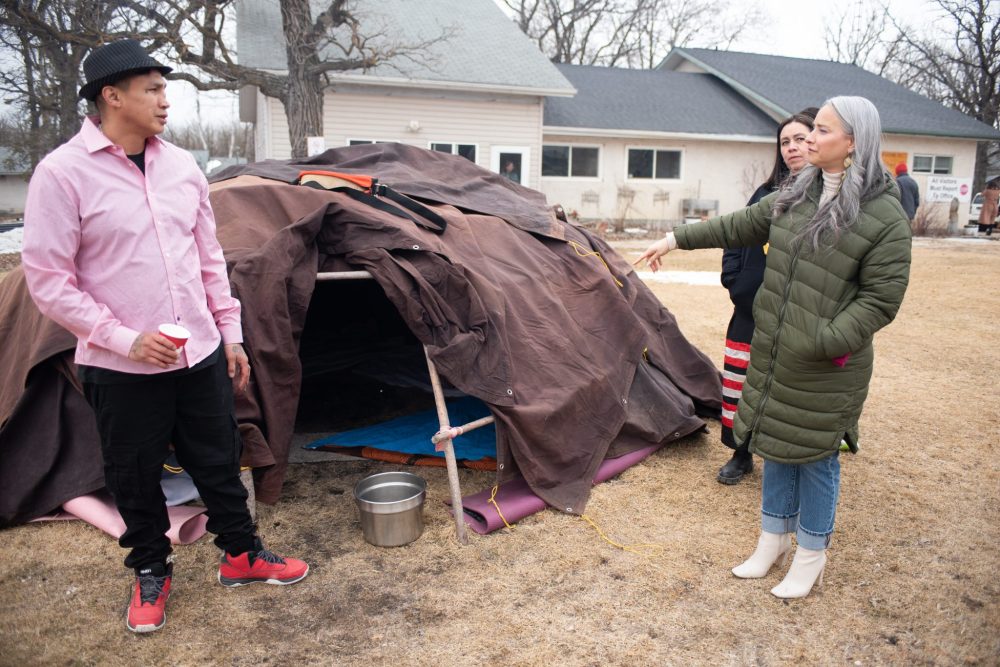
To help Barron Jr. with his teachings, El’Dad has hired two participants to be cultural helpers, or scabes, in his teachings.
“Also, they’re just (there) to offer peer support and encouragement. We’re hoping that through that, it gives the participants more chances to, I guess, (provide) leadership or to support others and to grow themselves,” said Hawbaker. “And the goal is that they will then continue that, past the time that they are scabes, we can continue these services and make them more sustainable within our organization.”
To fund the scabes, El’Dad received $35,000 from Manitoba Liquor and Lotteries.
“All of our participants, a lot of them, they struggle with FASD or other disorders brought on by alcohol or cannabis use,” said Hawbaker. “And part of Manitoba Liquor and Lotteries, their requirements, is that they have to donate two percent of their income towards programs that mitigate the damages done by alcohol.”
In the next few months, the non-profit organization is also looking to build an Indigenous healing center consisting of two modular homes at the ranch. Hawbaker is hoping to make partnerships in the community with Indigenous organizations so they can work together. He is also hoping that El’Dad’s Indigenous cultural supports and the use of the healing centres for ceremonies and other uses will be made available to people from other agencies. Hawbaker’s also hopeful these resources will eventually be used by the larger community as well.