
East Braintree church closes after 109 years
Advertisement
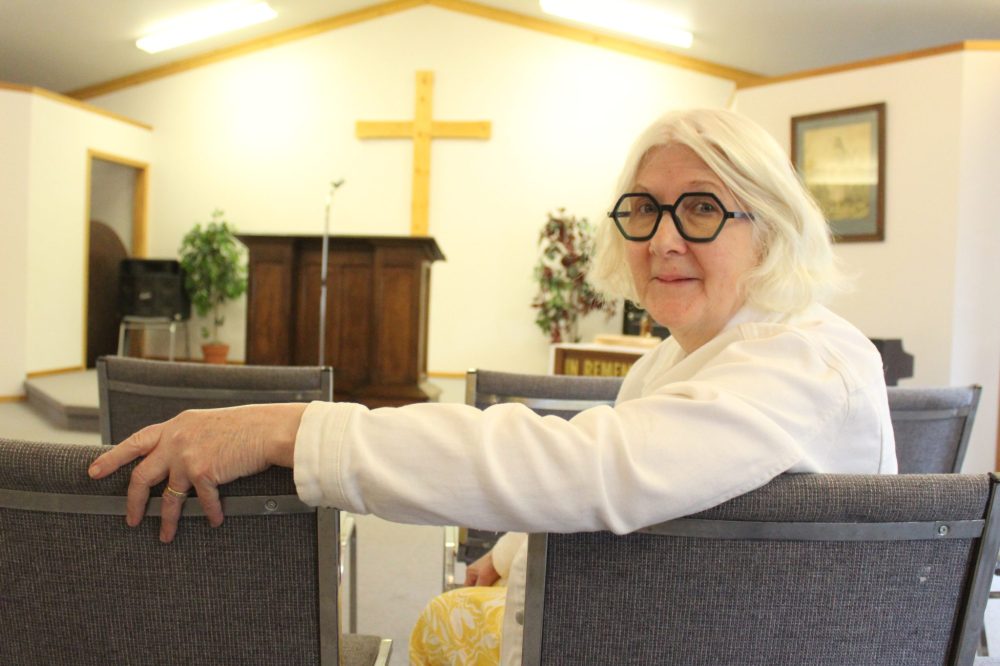
Every time Margaret Feilberg walked through the East Braintree Community Church’s doors it felt like a hug.
The 74-year-old church clerk was one of the last remaining members of the small evangelical church hidden away among the towering boreal forest. The church held its last service on April 26, marking 109 years in the community of roughly 200 people.
“God is in the forest, and he’s everywhere. But you feel very special when you’re coming in here. And I feel that God is sad now this church is closed,” she told The Carillon.
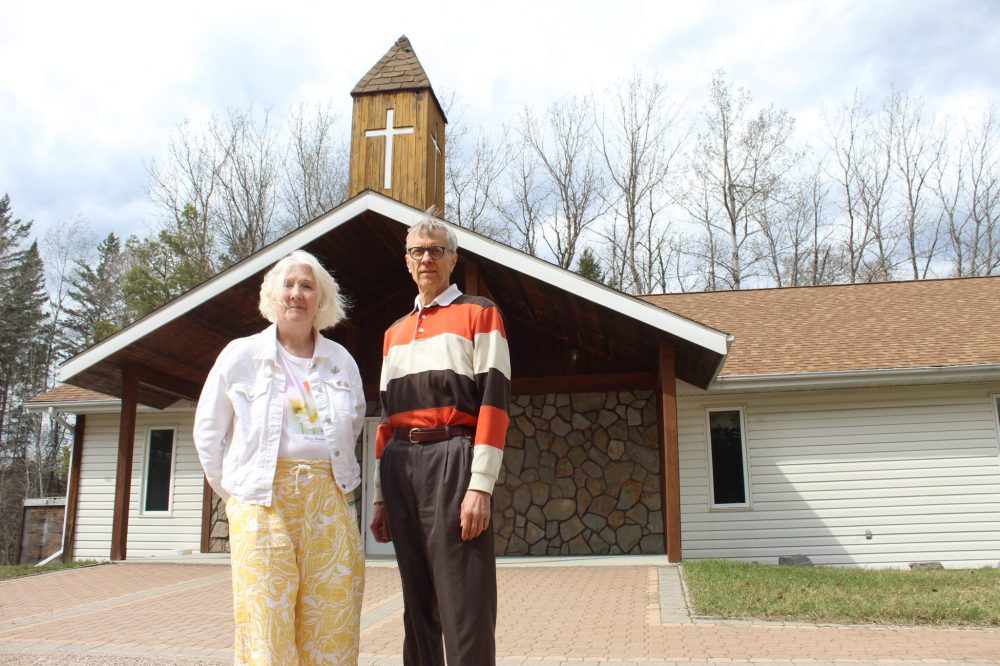
Feilberg was dedicated as a baby in the church’s first location, a nearby school house, in 1956. She’s watched the church go from 35 people at its height down to herself and one other person. On the average Sunday, three or four people would attend services. The church’s final service brought 11 people to honour its end.
Feilberg said part of the community died when the church closed. She said the last service felt like “losing somebody you love very much.”
“I was just really overcome. I went home, and I cried like a baby,” she said. “My husband just held me and patted my back. It’s a sad thing.”
She has fond memories of the church potlucks, weddings and funerals that brought people together in the space. At one point, 17 flags from different countries were represented in East Braintree, which showed through the sauerkraut and soups brought to the potlucks.
Feilberg said it was difficult to keep the church running because no new families were joining and there were no children to continue the church. She hopes to see the building repurposed as community gathering place, but no plans been made yet.
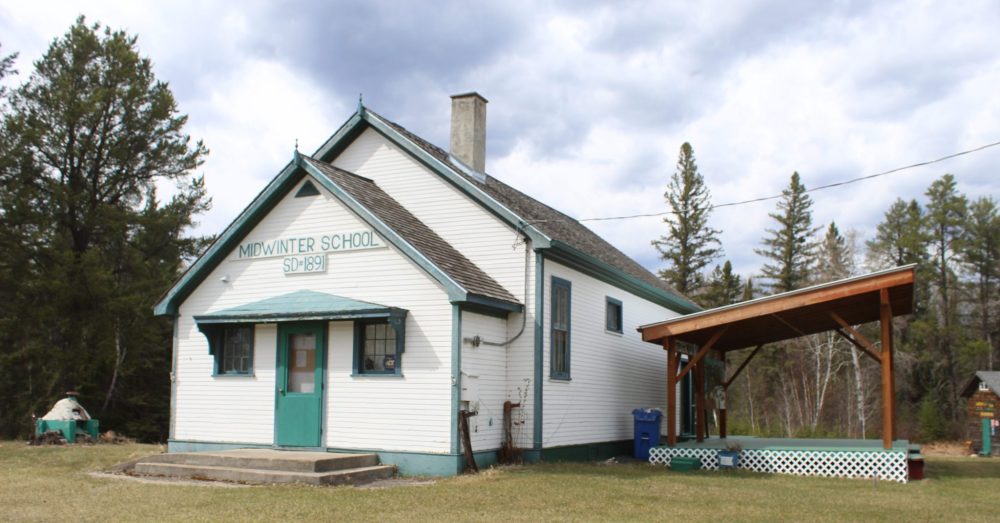
East Braintree’s church got its start in 1917 through Sunday school services held out of the Midwinter School. Two years later, the Shantymen’s Christian Association, a group of ministers who preached at lumber and work camps, would send out chaplains to hold services at the school house and the nearby prison farm 2.5 kilometres southwest of East Braintree. The ministry was operated there until 1923. Church services continued in the school, with congregants pushing desks to the classroom’s walls to make way for chair and stools as eager parishioners heard sermons.
The school house church saw at least 20 different pastors from 1923 to the 1950s. The church cycled between Baptists, Greek Orthodox, Anglican, Ukrainian Catholic and United denominations as pastors came and went.
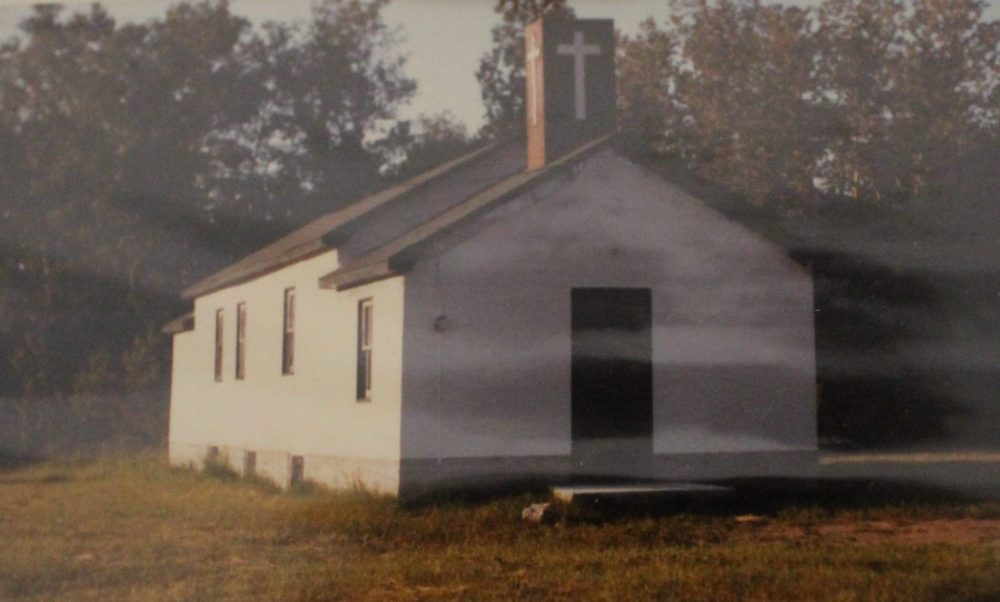
In 1957, the community set-up its first dedicated church building, two train boxcars joined together, bought for $600. The church later became incorporated as its present name the East Braintree Community Church in 1986, with a 20-person membership.
A new, larger church was built roughly in 1995, keeping the original steeple.
Bill Loewen first attended the church 50 years ago when his parents moved into a summer home in East Braintree. He said his family was drawn to the church because of how embedded it was in nature.
“They (Loewen’s parents) came out here to enjoy the scenery, but they discovered that this is a such a marvelous part of God’s creation that they had to share it with their family,” he said.
Loewen’s father helped build the church’s current structure, sang in services and donated a shed to the church.
“This whole area was a special place, but especially this church. He (Loewen’s father) put a lot of things into it and got a lot out of it,” he said.
Now without the church, its members will have to drive to Falcon Lake or Richer for services.
Peter Braun pastored at the church for eight years, driving nearly 100 kilometres, three times a month from Niverville. The 77-year-old was drawn to the church because of its smaller size and lesser pastoral work than previous churches he worked at. A 45-year pastoral veteran, Braun would preach from the original 1917 wood pulpit on Sundays to the congregation of 14 people, depending if visitors came through the doors.
“It was a vibrant group. It was very good atmosphere. People came to really enjoy themselves. It was a little church in the wildwood,” he said.
Despite the size, Braun continued to preach from the pulpit because it was most comfortable for him. He would often stop and welcome questions from attendees during his sermons, inviting some conversation throughout the service.
Since everyone knew each other in the church, it allowed for debate and mutual respect within the building, he said. The few congregants offered a diversity of both conservative and liberal opinions and belief, which Braun saw as unique to other rural churches he pastored.
“It was refreshing because they were just honest, and nobody really developed hard attitudes because of that,” he said.
But Braun recognized the church’s days were numbered as new members slowed and congregants’ ages grew. He stepped down in September 2025 because he struggled to see a way to keep the East Braintree church and other rural churches going saying the churches couldn’t build up congregations because people are leaving rural areas to live in more urban spaces. When he first took on the role, he was optimistic the church would grow even if there weren’t enough young people.
He sees the rural churches as the “canary in the coal mine” for issues that will soon affect Christianity as a whole. Many rural churches are more conservative and haven’t grappled with deconstruction, which happens when someone critically analyzes their evangelical beliefs and practices, making it difficult to recruit new parishioners and young people, Braun said. Due to Christianity being weaponized by political leaders like U.S. President Donald Trump, many people are wary of institutional Christianity, pushing more people away from churches, he noted.
“I don’t think there is anything to keep them (rural churches) going. I think that this is a turning point and and we’re not going to regain it,” he said.
While the church is shut down, Braun hopes to see the community continue in a different form, such as an small home group.
“In some of these cases like East Braintree, the body of Christ hasn’t died. The dress it’s wearing, which is institutional, is being shut down. But somebody has to go along and wear a new dress and start something,” he said.