
Hanover parents group opposes anti-Islamophobia action plan in schools
Advertisement
A parents group in Hanover School Division has voiced its concerns about teaching the provincial anti-Islamophobia action plan in schools.
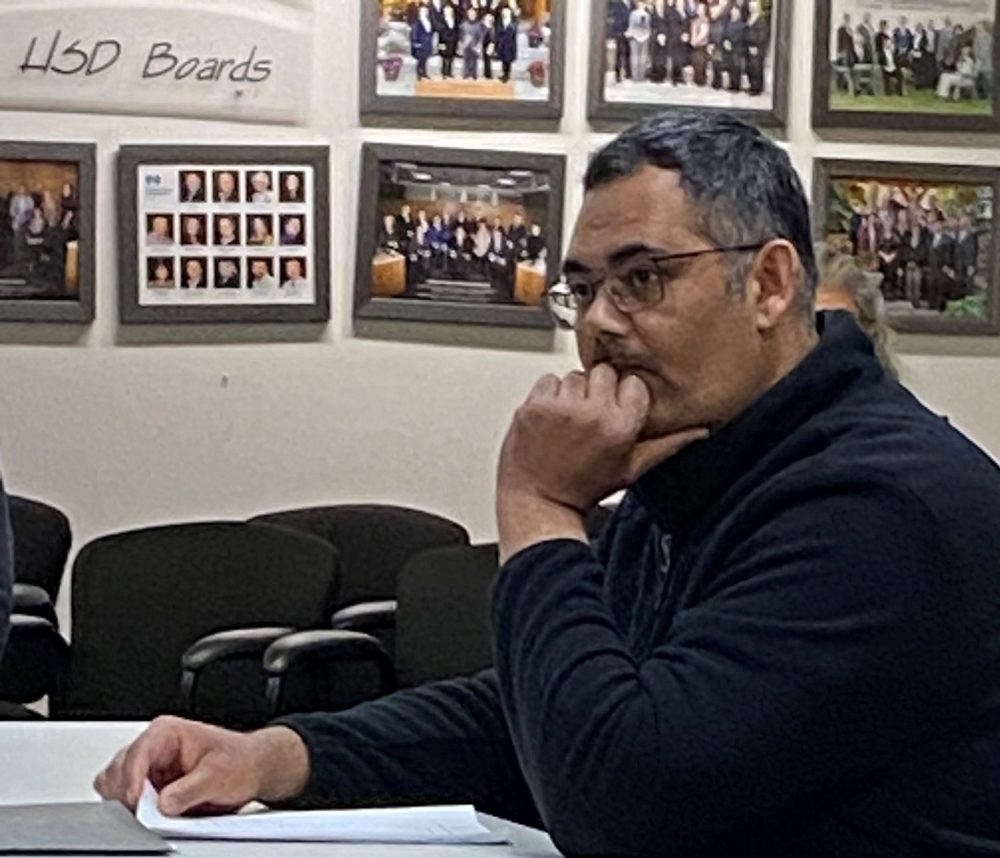
“I would clarify myself that we are not here to criticize any religion, beliefs, or any…cultural groups,” said group spokesperson Jaimin Bhatt to The Carillon shortly after giving his presentation on Tuesday to the board of Hanover trustees.
“We particularly support safe, respectful, and inclusive schools for each and every kid in (the) Hanover district. Our concern is focused, basically, on one principle, that is maintaining religious neutrality, as well as (a) non-sectarian education system in public schools.”
The province’s anti-Islamophobia action plan for kindergarten to Grade 12 took more than a year to create with input from national and provincial Islamic organizations, the Manitoba Teachers’ Society, the department of education, Islamic youth representatives, and Islamic associations.
The plan focuses on four key areas: recognizing and celebrating Muslim history in schools and curriculums; providing professional learning and resources for educators to address Islamophobia; supporting mental health and fostering safe, inclusive environments for Muslim students and staff; and building partnerships between schools and Muslim communities.
The action plan aligns with the Manitoba government’s broader commitment to anti-racism and equity in education. The province released the plan last December.
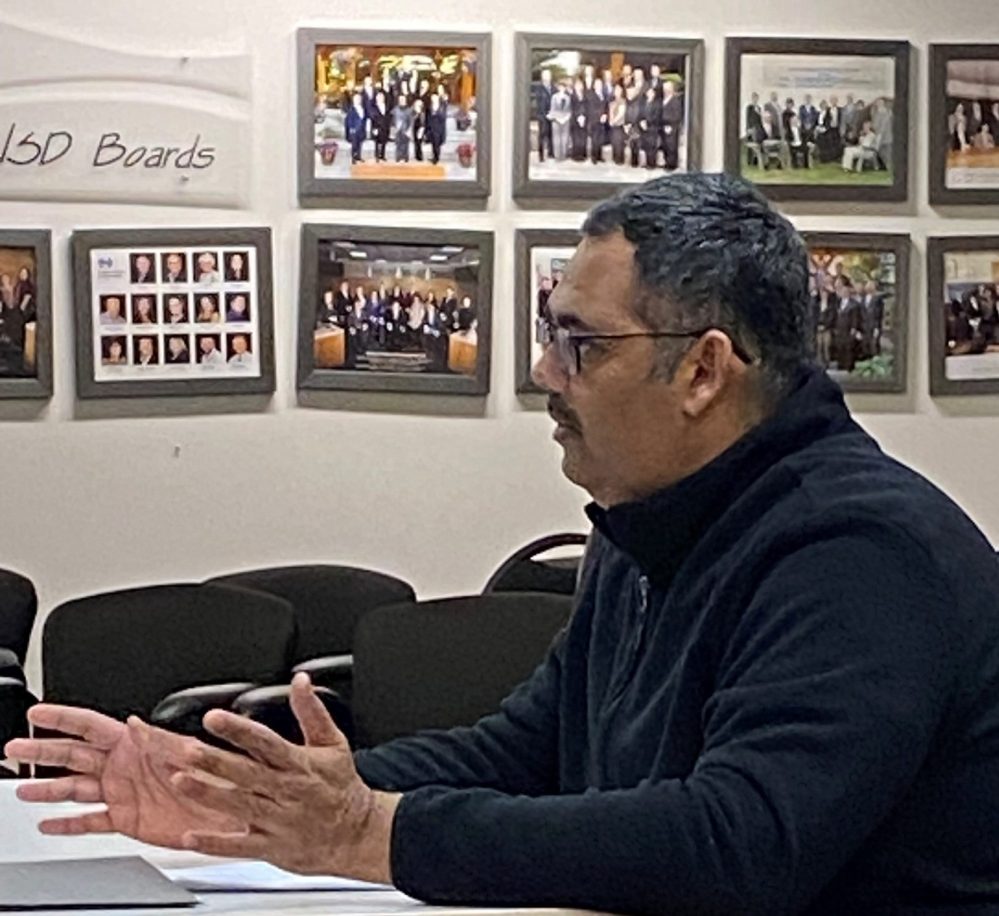
During his presentation to trustees, Bhatt, who is Hindu, reiterated the concerns he shared with The Carillon. He also told the trustees and The Carillon that the group is not against any religion, but they feel that focusing on one religion in the classroom could have impacts on their children.
“The concern is my kid will start forgetting my own religion. That’s a problem,” said Bhatt.
Between 2001 and 2021, the Muslim population in Canada more than doubled from two percent to 4.9 percent, with Canadian Muslims identifying mainly from South Asian and Arab countries.
A Statistics Canada study found between 2024 to 2026 there was an increase in Islamophobia in the country. In 2024, police reported incidents of hate crimes against Muslims saw a 94 percent increase, “a number which experts agree does not capture the full extent of hate due to underreporting,” according to the department.
Statistics Canada also indicated more than 1,000 incidents of Islamophobia and anti-Palestinian racism between October 2023 and March 2024.
One of the authors of the action plan is the National Council of Canadian Muslims (NCCM). Its media and communications lead Steven Zhou noted two recent instances that indicated a rise in hate crimes against Muslims in Canada; the 2017 killing of six people and injury to 19 others in a mosque shooting in Quebec City and the 2021 deaths of four family members who were killed in London, Ont., when a white supremacist ran them over with his truck.
“Since late 2023, when things kind of took a turn in Israel-Palestine and the Middle East, there’s been more of a conflation of Muslim identity and Palestinian identity with terrorism, with terrorists,” said Zhou.
When asked, Bhatt said he understands that Muslims have been victims of hate-crimes but he still believes that one religion shouldn’t be prioritized over others.
Another issue that the group has with the action plan is the way it was introduced to parents.
Bhatt first came across the action plan through local media. He and the other Steinbach parents feel the division dropped the ball in informing them that there was an anti-Islamophobic action plan and that it was going to be used in schools.
They were also concerned with the lack of information from school administration and teachers about when and how the plan would be implemented in the classroom. No one on the board offered an answer to the question of implementation.
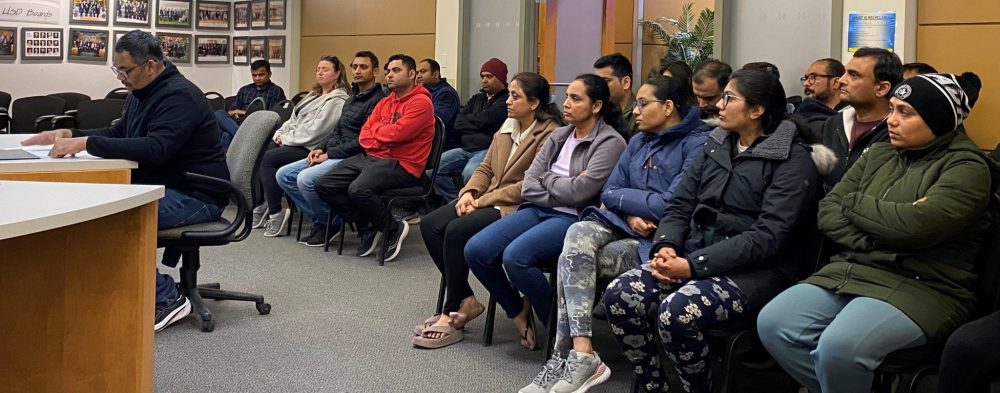
“(The schools) don’t know how to do it. They are not given clear instructions or clarity about this thing and that’s what I heard…I think a few parents also emailed some board members as well as our MLAs and MPs, but we didn’t get an answer from them because I guess no one has clarity about this.”
A provincial spokesperson said the action plan is meant to be used as an anti-hate teaching tool or resource for instances of Islamophobia in schools, rather than as part of the regular classroom curriculum.
The Carillon shared the province’s statement with Bhatt who said if the plan won’t be a part of the regular curriculum then the group is satisfied, but he still wants clarity on when, how, and where the action plan will be implemented.
The board told Bhatt that they will have an answer for him at the next meeting.