
City looks to strengthen sump pit and sump pump bylaw
Advertisement
Steinbach city council will consider first reading of a revised sump pit and sump pump bylaw at an upcoming meeting.
Administration was directed to bring a new draft of the bylaw forward at the next regular meeting, following a sneak peek at the city’s strategic priorities committee meeting on Tuesday.
The revised bylaw includes more explicit rules on how sump pumps and pits must be installed, and how sump and rainwater can be disposed of.
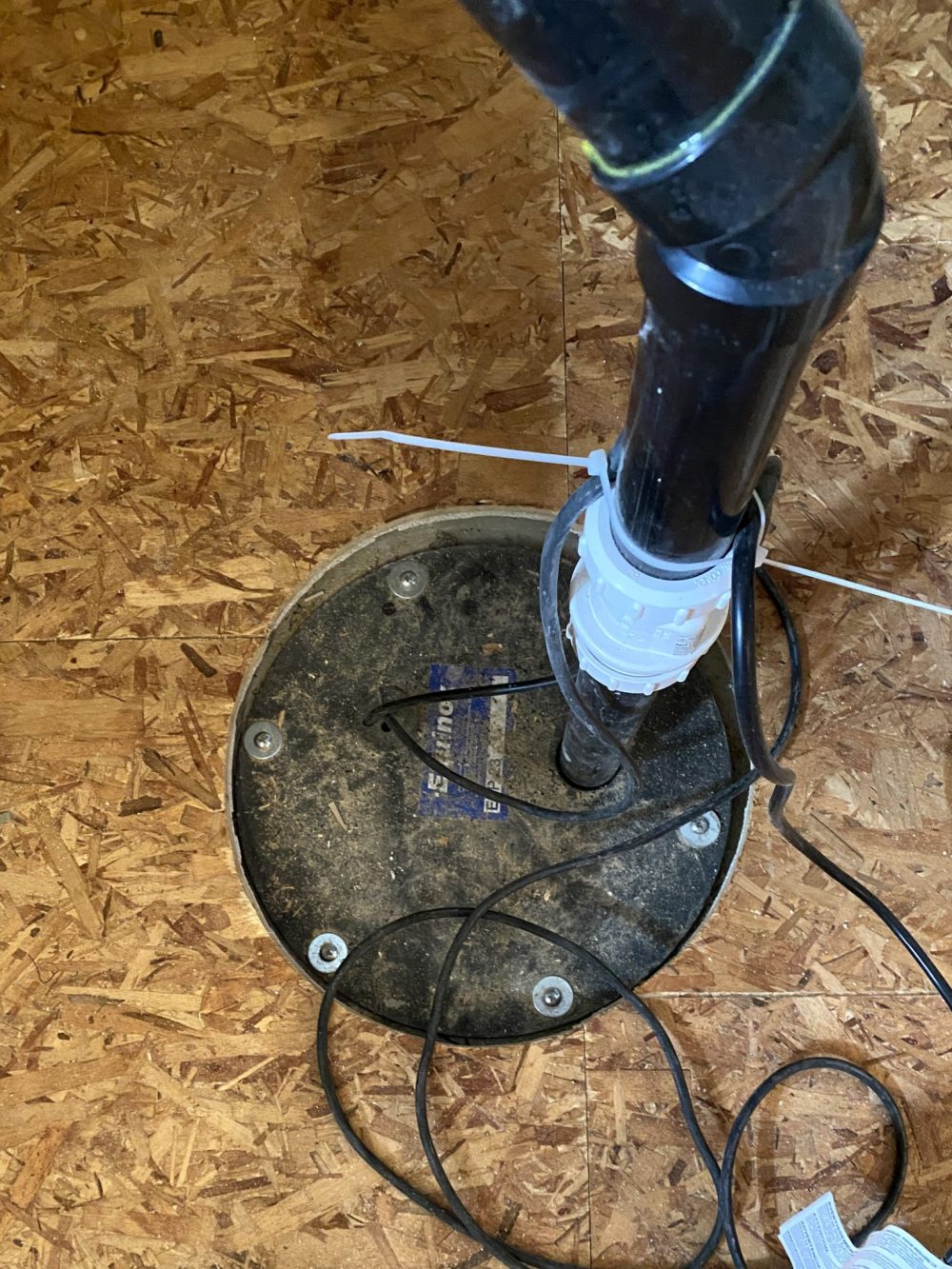
It also includes a schedule of fines for offenders, though city staff said they would do as much as they could to resolve situations before using that tool.
The bylaw even sets out a way for city inspectors to access private property.
City Manager Troy Warkentin presented the amended bylaw to council, pointing out their first sump pit and sump pump bylaw was established in 2003.
The intent of the bylaw then and now is to reduce or prevent the amount of ground water accumulated from a building or site from entering the city’s sanitary sewer system.
The directive to beef up the bylaw came in response to significant rainfall events in September of 2024 and September of 2025.
“Both council and administration have considered several possible factors that may have contributed to over 200 properties experiencing some type of flooding during these events,” Warkentin wrote in his report to council. “A review of these factors is ongoing, and a listing of proposed flood mitigation projects and programs has been presented to and explored by council.”
That work includes the rerouting of the low-pressure sewer main serving the Clearspring Greens neighbourhood. Planning is ongoing and the tender process is expected in the next month.
Warkentin said current information suggests that the city’s present approach of property owner self-education and self-regulation is insufficient.
“The proposed program would further ensure that on-site plumbing configurations for sump pits, sump pumps and septic tank lids comply with city bylaws, policies and building code requirements.”
Warkentin said property owners would be notified prior to inspection, and once proper documentation is finished, compliance could be verified.
If a deficiency is found, the owner will have an opportunity to correct the issue.
If they refuse to correct the issue, an outstanding work order could be placed on the property and other measures including fines could be used.
Currently two infractions are listed in the bylaw. Directing a sump pump discharge to cause a nuisance on neighbouring property comes with a $100 fine. Failure to implement a water discharge plan as approved by the city comes with a $200 fine. Both fines are cut in half if paid early.
New proposed fines could impact builders and homeowners.
Installation of a subsurface drainage system that does not meet building code standards could result in a $1,000 fine.
Additional $500 fines could be issued for improper subsurface drainage discharge, refusal to permit an inflow and infiltration reduction program inspection, improper floor drain connection, improper rainwater management and improper deviation from an approved drainage plan.
The revised bylaw makes it an offence to drain the sump pump into the city’s sanitary sewer, onto a permeable ground surface adjacent to a building or in a way that causes a nuisance, such as draining onto a sidewalk creating icy or slippery conditions.
For the first time, this bylaw will also consider rainwater management.
The draft states that an owner or occupier of a property shall not knowingly allow their rainwater management system to discharge into the city’s sanitary sewer system, onto a permeable ground next to a structure or in any way that causes a nuisance.
Instead it directs property owners to direct rainwater downspouts, eavestroughs or sump pump discharge pipes towards a rain garden that is able to accept the water without creating a nuisance to neighbouring properties, the front of the property, the rear of the property, a side yard which does not abut another property, or a side yard with a minimum of 10 feet of permeable ground between the downspout and the adjacent property.
Councillors agreed that a beefed-up bylaw was needed, and a fine schedule is necessary, directing administration to bring the draft forward for first reading at the next regular council meeting.