
Non-profits gather to share challenges, successes at chamber luncheon
Advertisement
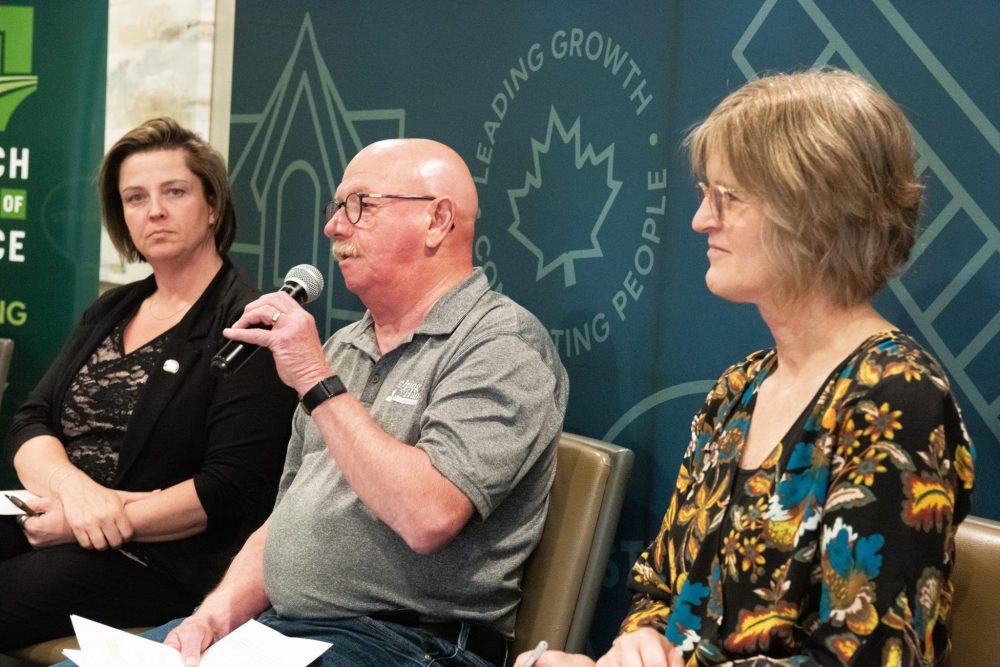
Twenty-eight non-profits from the Southeast gathered in Steinbach last Thursday where they shared some of the challenges they face and some of their successes.
The lunchtime event was put together by the Steinbach Chamber of Commerce at the request of the non-profit community. There are about 60 to 70 non-profit members in the chamber and 45 people came to the luncheon.
“The non-profit community doesn’t all experience the same challenges. There’s a variety of different challenges, because we’re all looking to address different needs. There are similar basic needs across the board, but we’re all approaching it from a different angle…So, the needs are changing. We’re learning how to pivot.
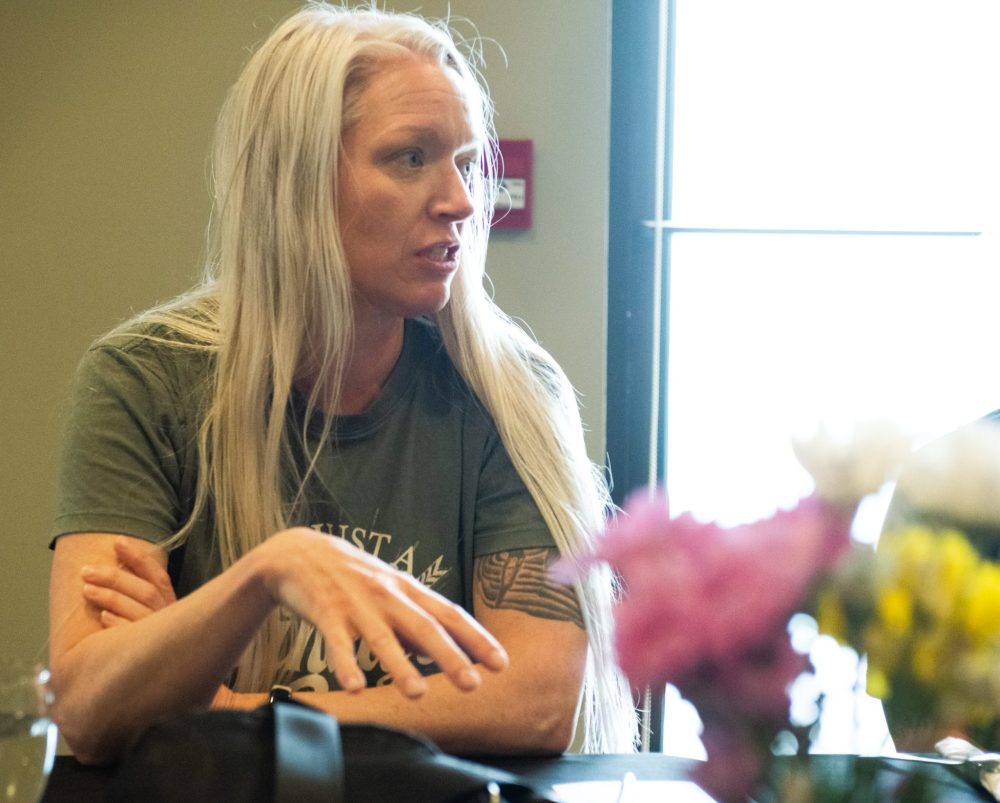
“We’re looking for opportunities to be smart and do the best with the resources that we have and the people that we have,” said chamber executive director Tessa Masi, who has 19 years of non-profit experience.
Masi said the luncheon is the first step on building a conversation about collaboration between organizations.
“We are going to see continued building on that now that we bring more people to the table and more people to the conversation.”
In her experience, she said non-profits are looking for opportunities to do the best with the resources that they have and the people that they have.
One of the things that came up during table discussions and on the panel was how to engage the boards of the non-profits and how do the boards support the non-profits. At the same time, how can non-profits support their boards and volunteers and not burn them out.
“So, those are things that we keep top of mind as we continue to do good work and just pivot and look for opportunities to say, how do we meet a new need that’s coming into the community or how do we continue to adapt to filling the ones that are already here?” said Masi.
All of the non-profits interviewed by The Carillon cited relationships, partnerships, and sharing of stories as ways to connect with the community, donors, and personnel such as volunteers.
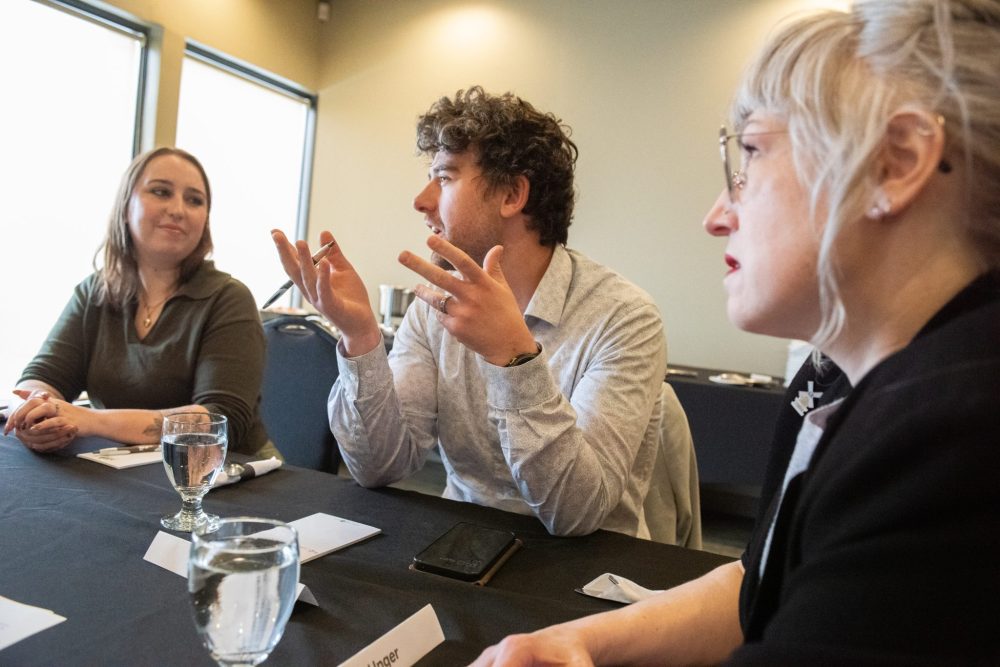
One of the non-profits at the event was Eastman Raiders Football Club, which has been around since 1992. Vice-president Naomi Murray said the biggest challenge for the club is getting support from a community that is largely focused on hockey.
“And football is so small around here and so I would say one of the biggest challenges is…finding sponsorship and finding partners,” she said.
Club sponsorship officer Alyson Loewen said she tries to promote the club online raising awareness of what’s available and what the benefits are to the community by having children play the game.
Murray said the introduction of having the Blue Bombers’ flag football program in the Southeast has raised awareness of the football club and the game itself in the region. Loewen said the increase in awareness helps in getting donations and sponsorships. Murray added that it helps to build personal connections with community members and businesses when it comes to funding.
“Because it really is who (you know) and we’re finding that it’s just getting the word out,” said Loewen.
Recreational Opportunities for Children (ROC) Eastman board treasurer Devyn Bartel, who has been on the board for six years, said the event provided an environment where non-profits can collaborate and find out what the concerns are in the community.
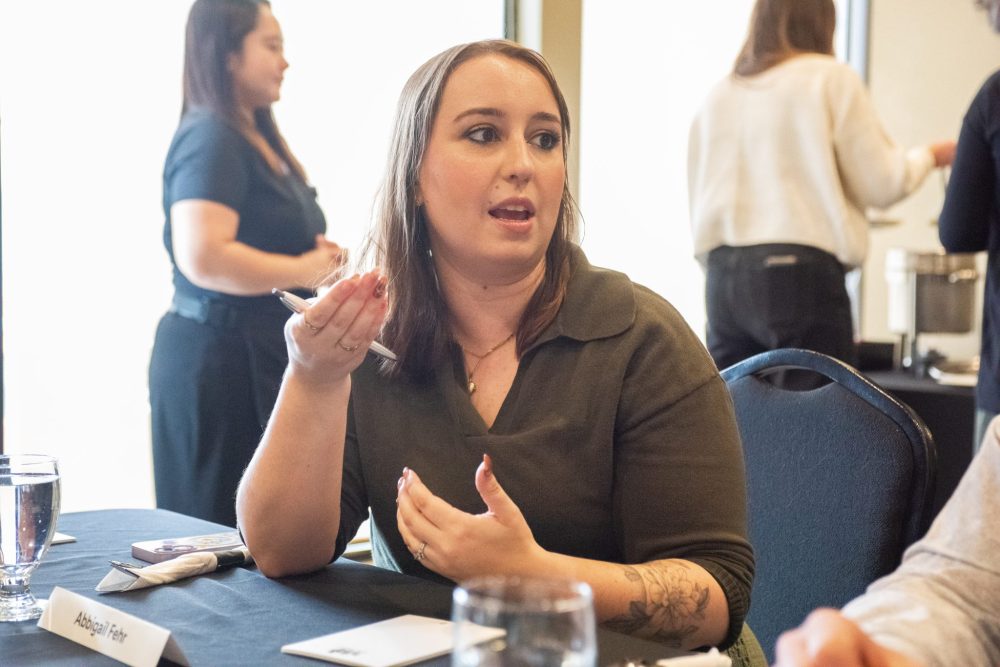
He shared the way for an organization to know if its messaging is successful is word of mouth, not necessarily through advertising. Bartel noted the way to keep funding and acquire more of it is to be creative; continuing to apply for grants, especially from the government; and having social enterprises like ROC’s annual book fairs.
When asked how difficult it is to be innovative and keep the community interested in his organization, Bartel said the use of resources, social media, and copying other non-profits’ successful initiatives are examples of how to boost interest and be innovative.
“But having events like this (information luncheon) help spark some different ideas that we can continue on for,” he said.
Mennonite Heritage Village executive director Robert Goertzen said the event was a great way to meet other non-profits and charities in the area to share ideas and learn from each other.
He noted the most common concerns he heard during the event were getting volunteers and financial support from the community. He added that the organizations want to support one another rather than compete against each other.
Goertzen said it’s important to believe in your cause when promoting your organization through stories and building relationships when fundraising.
“All of us believe in our causes. So, if we’re able to tell the stories of the way people have benefited from our organization and the way that relationships have been built and the community continues to thrive because of the work that we’re doing, those are important things to convey to our supporters,” he said.
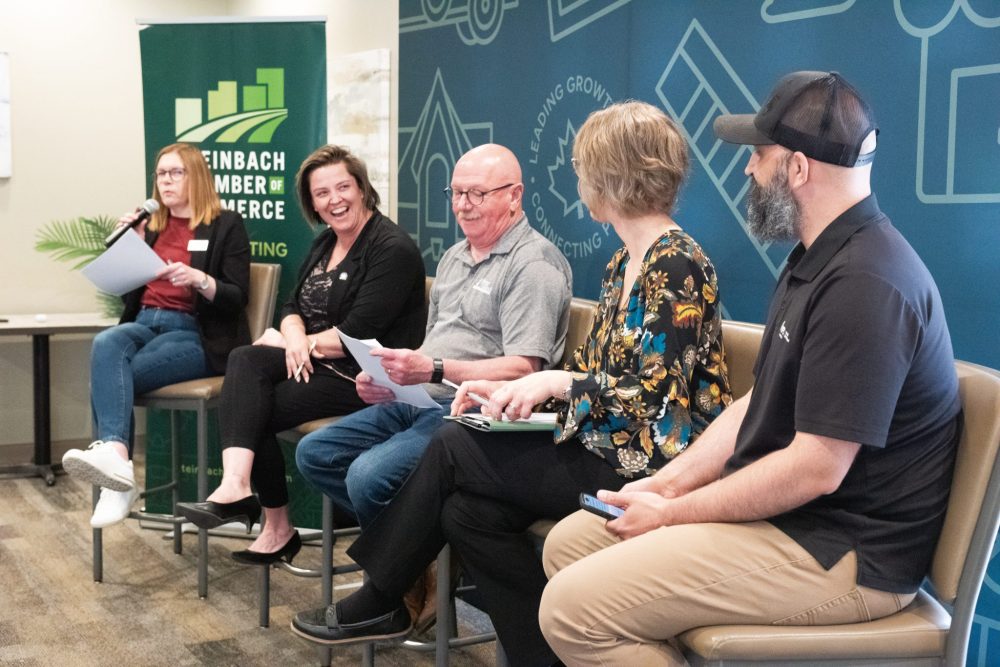
When it comes to recruiting volunteers and keeping them, Goertzen said the trick is to emphasize what an enriching experience it is to volunteer and give back to the community.
“And we feel that our organization at the museum, as well as many other organizations, offer that meaningful way of contributing to make the community a better place to live.”
Daniel Fehr is co-owner of marketing and business development firm Flourish Concepts, which works with non-profits in helping them promote themselves.
“Messaging and letting people know what non-for-profits do, which areas they service, what demographic of people they go after is very important. If people need help but they don’t know that there’s help available, obviously there’s a shortfall,” he said.
“So, messaging is a huge part of a non-for-profit to get their message out there. And also for getting funding that other businesses or public funding governments, that they’re aware of the non-for-profits and the impact that they have on the community.”
Fehr mentioned social media, word of mouth, and campaigns as ways non-profits can get their message out to the community. He said the adoption of technology by non-profits has been slow because they have to be careful with the data they hold, such as people’s private information.
“You can’t just use the ChatGPTs or the AIs, all the new technologies that you don’t know yet whether they’re going to be safe long-term or actually going to be good for your organization. So, they are adapting, but probably slower than you’d see in the private sector.”
Following the luncheon, the chamber will put out a survey for the non-profit community to get its feedback and figure out what would be a helpful next step for them.
“How do we bring the right people together and push them off in the right direction? Or how do we support them in what the next step is? So, really we want to know from them what is the next step,” said Masi.