
COLUMN: The Carillon Flashback May 16, 1970 – Trudel tells parents to tackle youth problems
Advertisement
Parents are clearly given the responsibility of tackling youth problems or preventing them in the first place, Magistrate Robert Trudel told a Steinbach audience at a meeting called by the Steinbach Collegiate Parent Teacher Association (SCPTA).
The meeting had been arranged by the SCPTA after a report in The Carillon of a stern criticism of the community leaders and parents by Trudel in Steinbach Magistrate’s Court.
Magistrate Trudel explained that one particular session in juvenile court had given him the impression that there seemed to be an attitude of minimizing the problem of juvenile offenders.
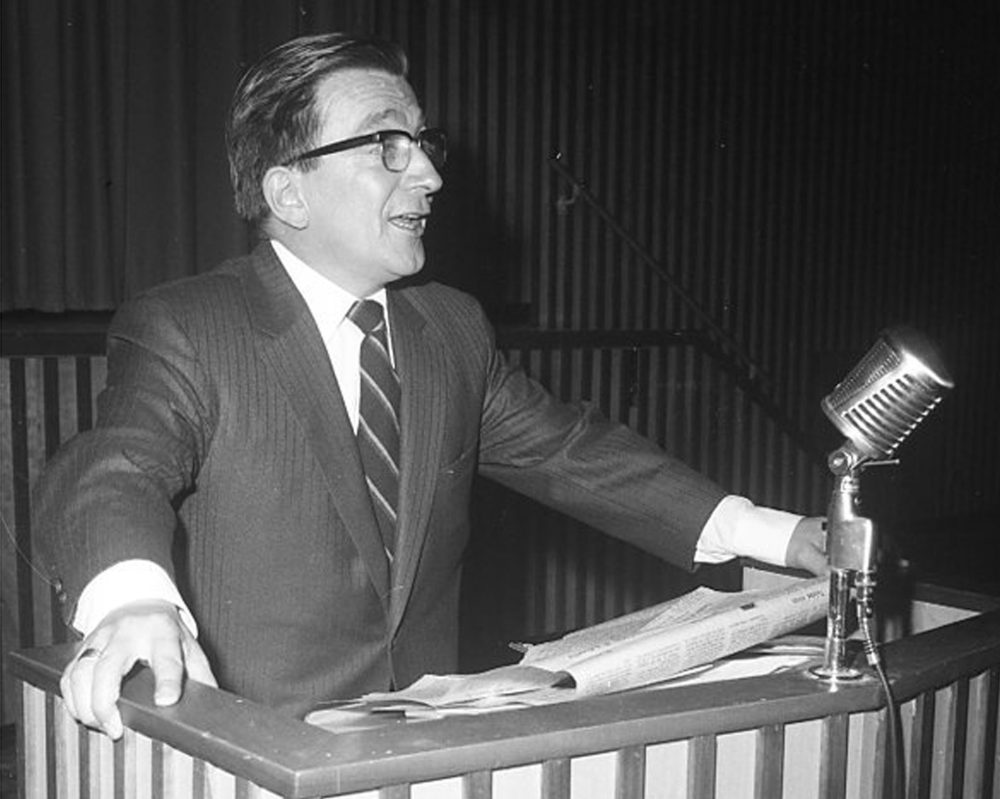
“When a juvenile is caught by police at 2 a.m., siphoning gasoline from someone else’s car, I’d like to ask the parent why his son is out at that hour. Why doesn’t a father take his son’s licence away before it becomes necessary for the magistrate to take it away?”
Breaking the law repeatedly indicates a lack of respect for authority, Magistrate Trudel said. Breaches of the traffic act and liquor control act were the most frequent offences resulting in appearances in Steinbach Magistrate’s Court.
Referring to newspaper reports of his speech in court, Trudel explained why he had suggested that parents allow young people to drink temperately in the home.
“A young man of 23 was brought before me on a charge of having open liquor in his car. When I asked him why he didn’t drink at home, he said his parents wouldn’t allow it.”
These parents, by prohibiting drinking of any kind, are contributing to the possibility of this type of infraction against the law. Over 70 percent of serious offences begin with liquor, Trudel said.
Magistrate Trudel said there was some argument in favour of lowering the drinking age to 18 years of age.
Trudel expressed his surprise at the ease with which many of the juvenile offenders produced money on the spot to pay for heavy fines.
“Do parents trade their love for materialistic gifts?”
The magistrate said that parents are notified that one of them must appear with juvenile offenders in court and it is usually the mothers who come to court.
“I wonder if the father is too tired, working late, or on a trip.”
Trudel urged the young people attending the meeting not to take it out on the ‘old man’ if he doesn’t know what to talk about, because not everyone has a gift of talking things over at any time.
There were few young people at the meeting, attended by 300 adults, and one father said his son had been told the meeting wasn’t for them. Henry Thiessen, principal of the collegiate, said the young people had not been encouraged to come because it was thought the meeting would be geared to parents and other adults.
Trudel encouraged both parents and groups of students to attend a court session to learn the facts as they occurred in court.
In answer to a question from the audience, why the courts were sometimes so lenient with offenders, Trudel said it sometimes was a case of a lack of facilities, funds, and personnel to deal with custodial sentences.
“I would like to see signs such as those on new highways declaring the use of taxpayers’ money, placed on penal institutions and detention homes – $475,000 to be spent on home for boys!”
One of the questions referred to the magistrate concerned the attitudes of different ethnic groups toward the problem of law breakers. To this, the magistrate replied that he did not keep a box score on ethnic groups.
“In the Steinbach court, I have offenders appearing who are from Ukrainian, French, Mennonite and (Indigenous) backgrounds.”
– with files from Mary Barkman