
LGBTQ+ survey the first of its kind in the province looks at state of queer community
Advertisement
Two recently released surveys found the majority of polled Manitobans are largely supportive of the LGBTQ+ community, but findings show there is still more to do to bring about inclusion and acceptance.
Rainbow Resource Centre’s landmark, The State of LGBTQ+ Communities in Manitoba, surveys are the first of their kind in the province to look at how queer people experience community, safety, inclusion, and allyship.
Wanting to see how many queer and queer-adjacent (people who are very close to someone who is part of the queer community) people there are in the province, Rainbow polled Manitobans and found the population to be sitting at about 250,000, yet only about 5,000 were being serviced by Rainbow annually.
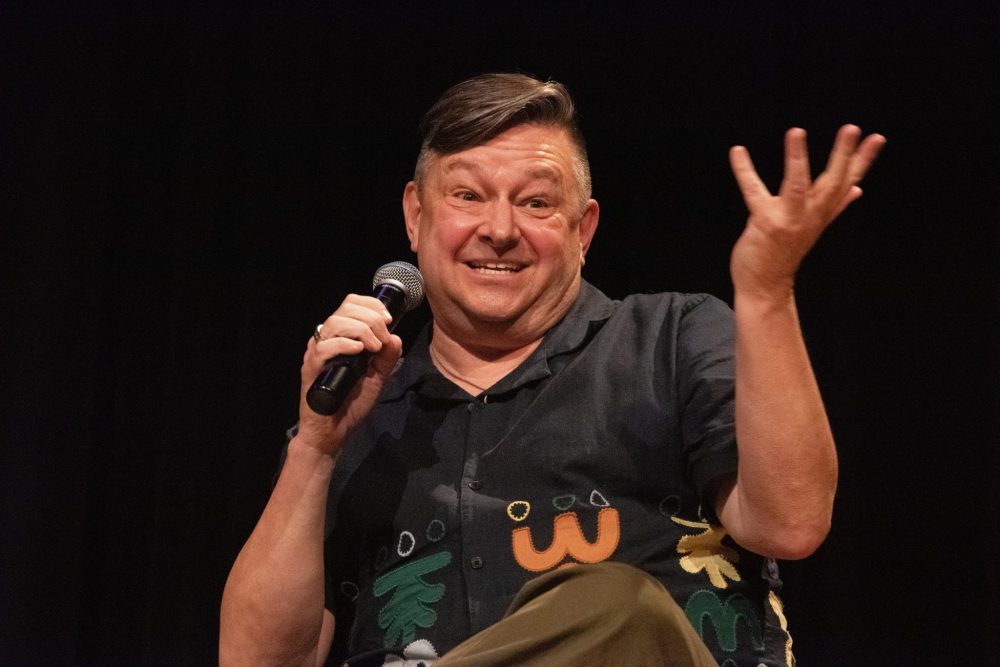
“We thought, ‘Wow, where’s the rest of them? What is it that we need to offer to ensure that the queer community is thriving and not just surviving?’ And so that kind of got us thinking about how do we ask that question and all of the other questions we want to know about. So, the seed of this survey was to really figure out what do queer folks need to thrive instead of just survive,” said Rainbow executive director Noreen Mian.
The Probe Research online surveys were released on May 20 during the organization’s Pride kick-off event at the Winnipeg Art Gallery-Qaumajuq.
The first survey, a 14-minute questionnaire, saw 1,000 Manitobans across the province respond, while the second 10-minute survey for the LGBTQ+ community had 623 respondents.
Probe identified five key findings within the two surveys, three of which were largely positive. The first finding indicated that Manitobans in general are very supportive and accepting of LGBTQ+ rights with 71 percent agreeing that those rights should be protected by strong laws.
The second finding reported two-thirds of Manitobans agree that being LGBTQ+ is normal and natural. The third found two-thirds of Manitobans say there’s more work to be done, while the other third said that the queer community has reached full equality.
But there has been pushback on the advancements being made by LGBTQ+ people. Fifty percent of those polled in the general public’s survey agreed with the following statements: gender ideology has gone too far and the queer agenda is infiltrating schools or indoctrinating children.
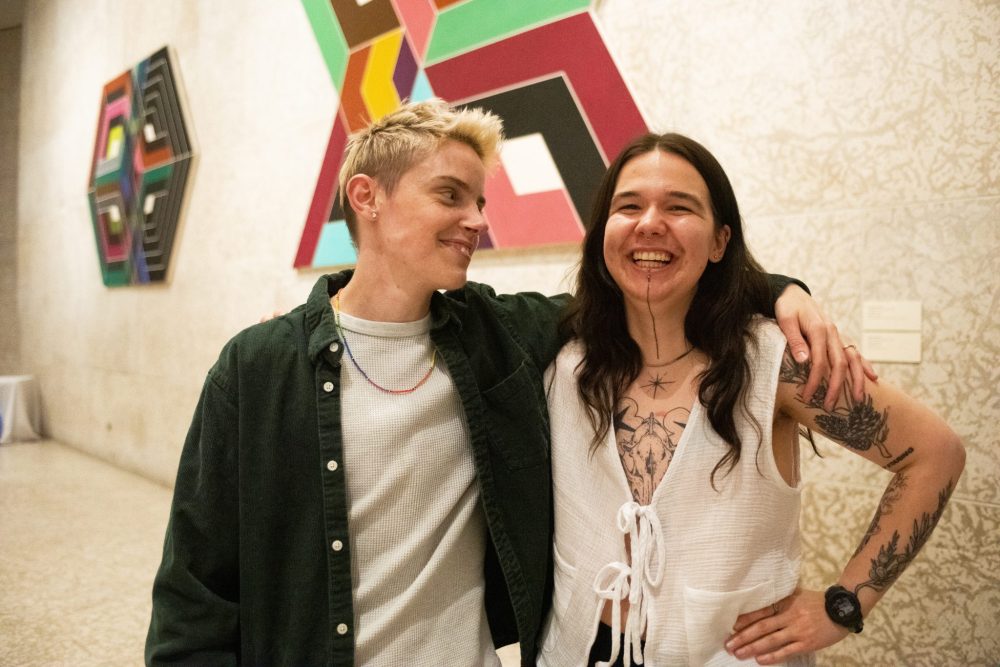
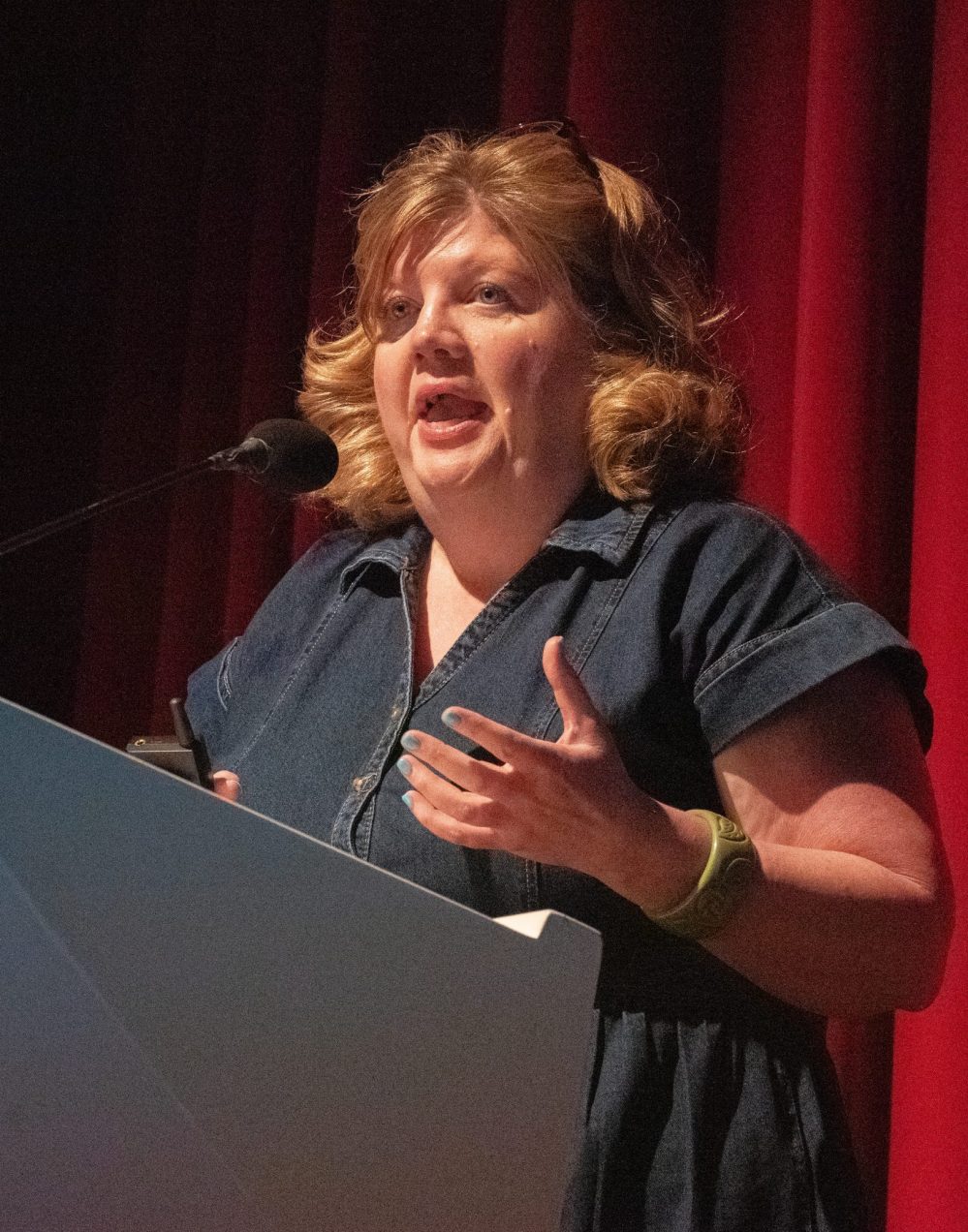
“I think that is a fairly serious red flag going forward, especially with what’s happening in the States,” said Mary Agnes Welch, partner at Probe Research, who presented the findings during the event.
Probe found it was young rural men (32 percent), aged between 18 and 34, who strongly agreed that gender ideology had gone too far. In contrast, the strongest allies were found among women and older men.
“But young men are right now the outliers in almost every survey. You know, questions about immigration, climate change, measles vaccines, all of it, they are the outlier, and they are the outlier in this survey. It’s a problem,” said Welch.
The final key finding in the surveys was that 50 percent of Manitobans have no relationship with a LGBTQ+ person or the community.
“If you have a loved one – a kid, a cousin, a best friend – who is gay or identifies as non-binary or trans, you are exponentially more likely to be far more accepting, to have a speak-up mentality, to be so much more comfortable to fight for some of those rights,” said Welch.
Interestingly enough, the study found it wasn’t only half of the general population that didn’t have a relationship with a queer person, it was also queer people who didn’t have relationships with other queer people.
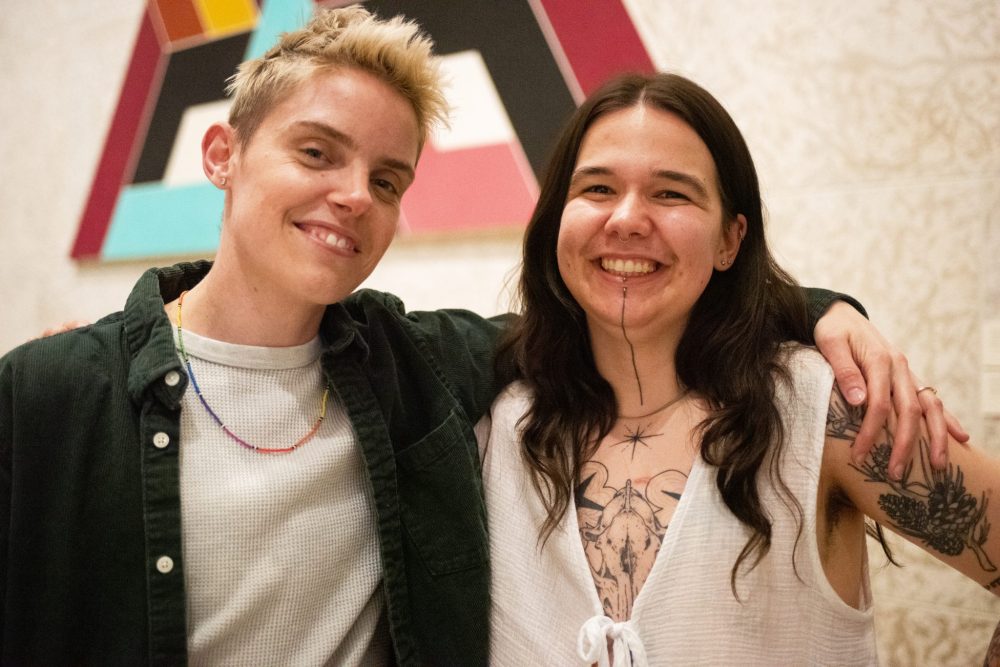
“The biggest surprise to me was that nearly half of all queer Manitobans don’t have a significant relationship with somebody who’s part of the 2SLGBTQ+ community,” said Mian. “That’s actually the protection for the community that people who had that significant relationship were far more likely to speak out against homophobia, transphobia, biphobia.
“They were far more likely to support their queer colleagues. They were far more likely to use gender-neutral language. So, having that significant relationship was really the protection for the queer community, but also allows people from outside of the queer community to play a more active role in creating safe spaces.”
Welch noted two-thirds of the people who didn’t have a close relationship with a queer person were more likely to say that there are only two genders, which puts the onus on the community to keep building bridges.
“If there’s anything that we took out of this survey…(it) was the power of those relationships to change those views on a broad scale,” she said.
When it came to quality of life and wellbeing, members of the LGBTQ+ community felt reasonably safe, yet 59 percent of them often felt lonely and not valued by society when compared to non-queer Manitobans.
One criticism of the LGBTQ+ survey was that it failed to represent all queer people in the province as data came mostly from Winnipeg, something that Welch conceded was the case.
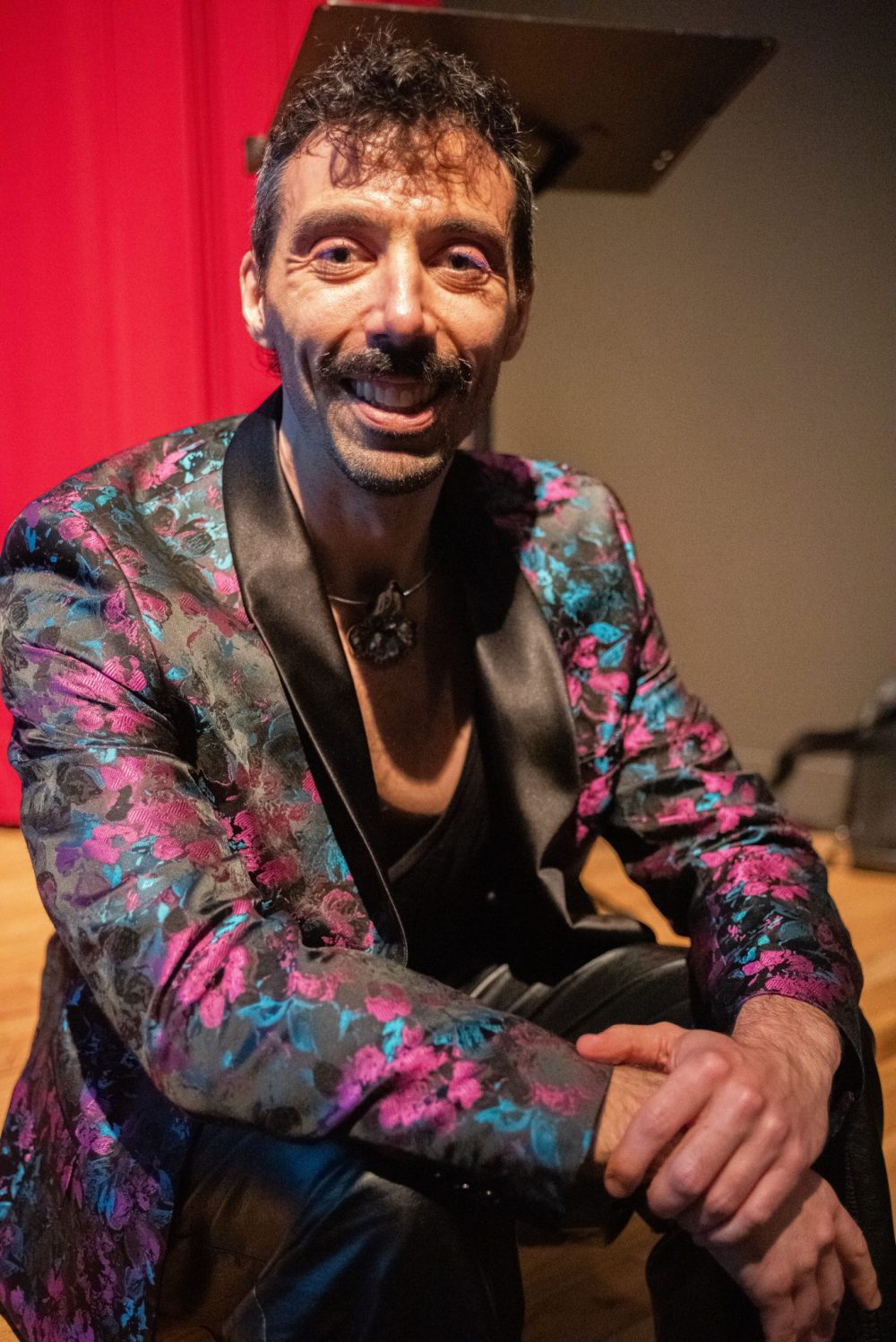
“They’re harder to find, they’re harder to get. I think probably work needs to be done to build relationships with organizations that can help deploy the survey. But that’s not to say we didn’t have any (representation). We did have a good hundred folks outside of Winnipeg,” she said.
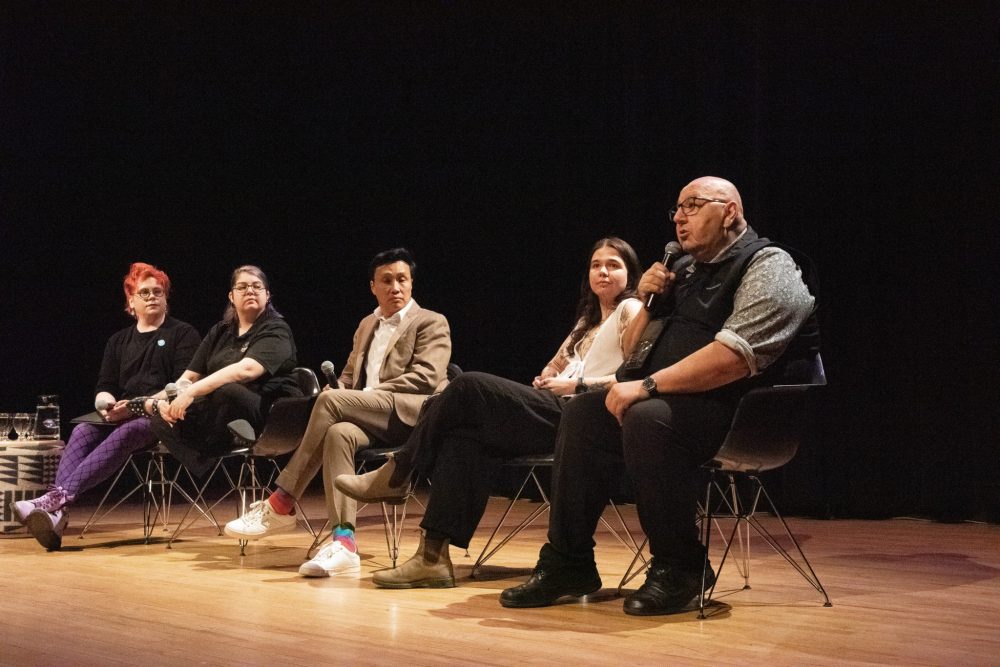
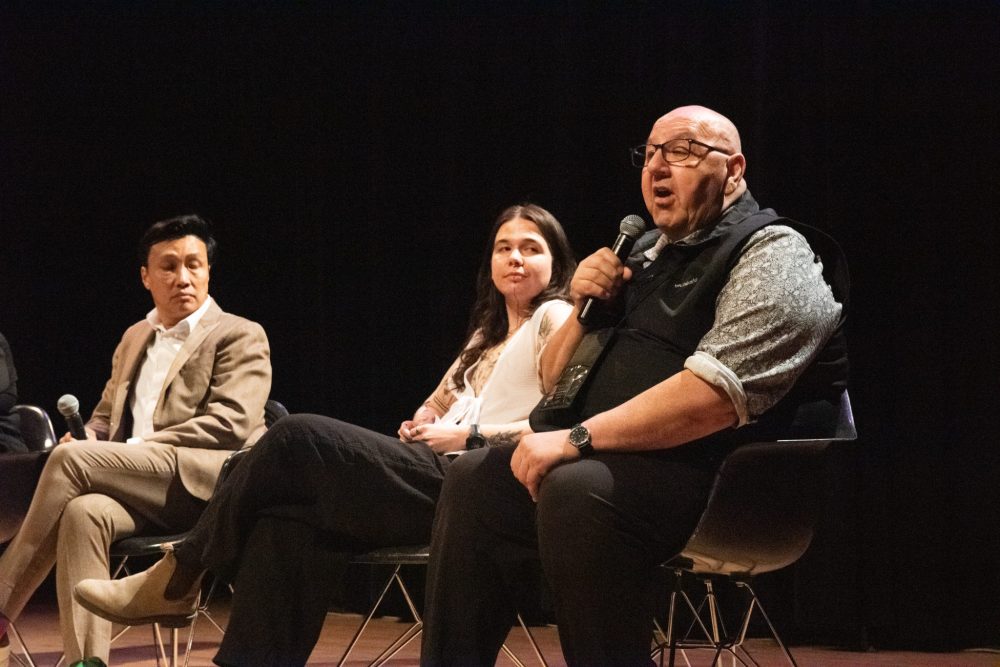
Community advocate Sunday Queskekapow, who sat on one of the two panels discussing the surveys’ findings, noted there are differences between lived experiences for queer people living in urban, rural, and remote communities in Manitoba, even among Indigenous communities.
“How are we supposed to support these folks who are not being heard and falling through the cracks, who need the most support, in my opinion, and if we’re not representing them (then why are we) calling it a Manitoba-wide survey?” they said.
Queskekapow, who is two-spirited and trans, preferring the pronouns they/them, grew up in The Pas and currently lives in Winnipeg. They also lived for a time in Steinbach with their partner, who hails from St Pierre-Jolys.
Although Steinbach is an urban centre, Queskekapow disliked living there finding it uncomfortable at times to hold their partner’s hand, shop, or even use a public bathroom in the largely religious Mennonite community.
Probe’s Manitoba survey found those least comfortable with sharing a restroom with a transgender person are rural and northern Manitobans (58 percent), young white men (56 percent), and people with children at home (60 percent).
“I really feel for queer folks and people of colour in the community that might not fit into the cultural norms that they have going on there. And just like the need for more support and understanding, because I think it is just a lack of understanding, not outright hate,” said Queskekapow.
Last year, Steinbach Pride had to be cancelled due to threats of violence made against attendees.
Queskekapow said living in The Pas and Winnipeg brought much more ease and acceptance in living as an Indigenous trans person.
Their friend Parker Morran, who is also trans and uses the pronouns they/them, shared many of the same sentiments that Queskekapow shared in terms of the way queer people are perceived in a rural community. Morran grew up in Kleefeld and Steinbach.
Morran said growing up in a very Christian household and community, being queer was seen as sinful and living in a rural area there was no information about or access too the queer community.
It was only three years ago when Morran moved to Winnipeg that they were able to figure out their identity. Morran works as a social worker now at the Trans Health Clinic and said it can be hard for people who are not transgender to relate to someone who identifies with a gender they weren’t born into even if they are queer themselves.
The Probe survey found that 40 percent of trans and gender diverse people felt marginalized within the LGBTQ+ community.
Despite Queskekapow and Morran’s experiences in rural Manitoba, Welch said Probe’s survey showed rural communities are not as conservative in regards to allyship and LGBTQ+ rights as one might think. She said the reason for this might be because of Pride events that are taking place in urban areas such as Steinbach and Brandon.
“We have this idea that rural Manitoba is this very conservative place, and that’s true in some cases, but they are also broadly supportive of 2SLGBTQ+ rights. So, that gap wasn’t as huge, except those young men.”
As this is a census year, for the first time the federal government is collecting data on queer people.
“You can’t make decisions for a population if you don’t know that they exist and you haven’t asked what they need. So yeah, it’s a long time coming and I was very excited to see that,” said Mian.
Going forward, Mian said Rainbow will use the findings of the surveys to create summaries before making them public. The data will also form the foundation of educational workshops and advocacy to influence provincial and federal governments when making policy.
“In an ideal world, I would love to see us doing this (survey), repeating it every four years, but that always comes down to resources,” she said.