
COLUMN: Village News – From folk remedies to hospitals: Early Mennonite medical care in Imperial Russia and Manitoba
Advertisement
The history of Mennonite medical care reflects a gradual but profound shift from traditional home remedies and informal caregivers to clinically trained physicians, hospitals, and specialized health institutions. This transformation began in the Mennonite colonies of Imperial Russia during the nineteenth century and continued after Mennonite migration to Manitoba, where community-supported hospitals became important centres of care.
When Mennonites first settled in the Chortitza and Molotschna colonies in southern Imperial Russia beginning in 1789 and 1804, medical care was limited. Most illnesses were treated at home using herbal remedies, midwives, and practical knowledge passed down through generations. Physicians were scarce in rural regions, and epidemics such as cholera, typhus, and smallpox posed frequent and serious threats. As scientific medicine developed across Europe and the Russian Empire during the nineteenth century, Mennonite communities gradually adopted new approaches to health care. Zemstvo, or local government medical services, expanded access to trained doctors and medical assistants in rural districts, helping introduce modern medical practices to rural settlements.
One of the earliest professionally trained medical workers in the Mennonite colonies was Bernhard Paul Schellenberg (1840–1888). Serving as a feldscher, a medically trained assistant who combined elements of nursing, surgery, and primary care, he worked in the Chortitza Colony and became its first recognized medical practitioner. Feldschers played an essential role in rural Russia, often providing treatment where physicians were unavailable. Schellenberg’s work marked an important step toward organized community health care.
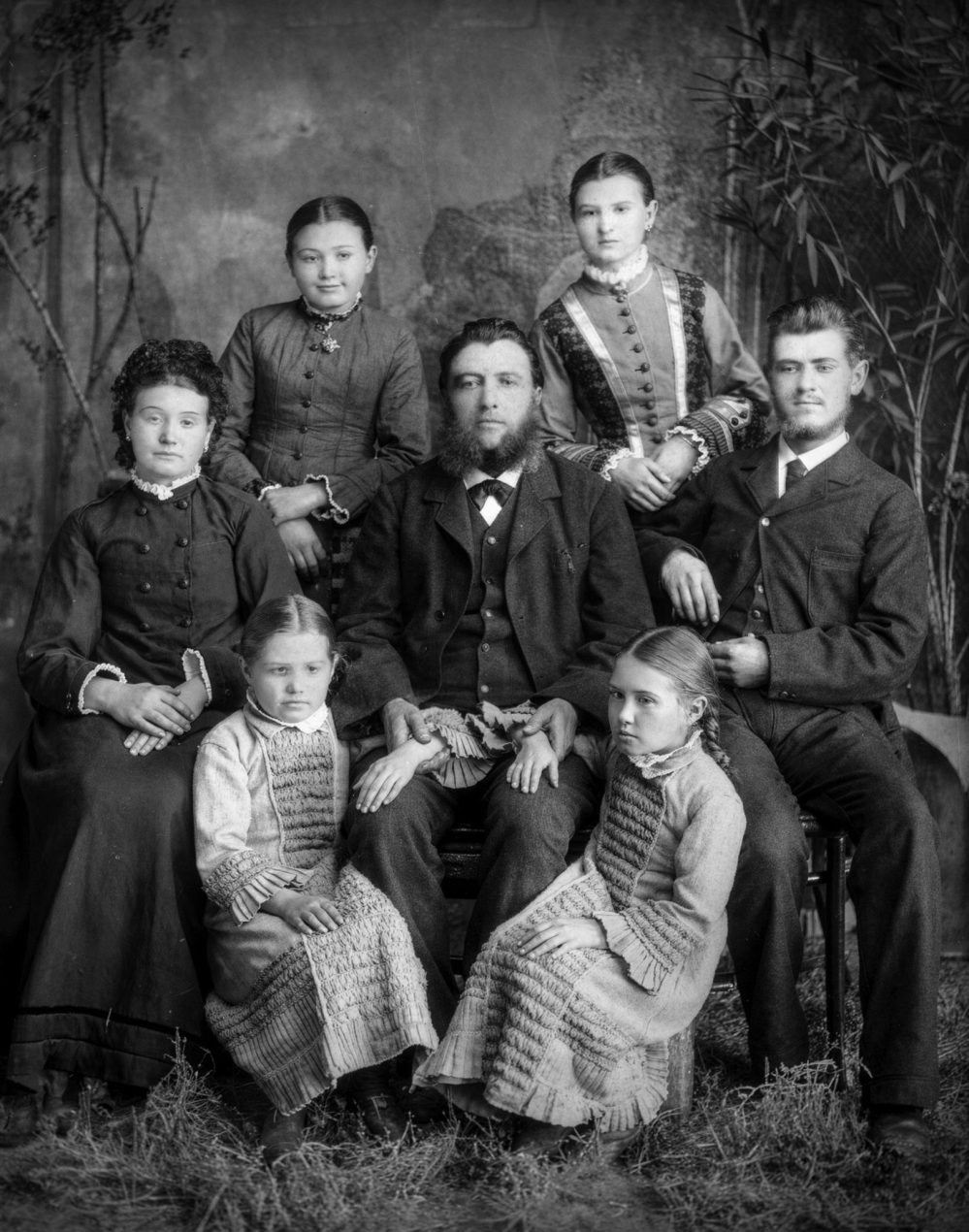
Professional medical practice expanded further in 1852, when the Molotschna Colony hired Dr. Robert Zander (1824–1856), its first formally trained physician. Born in Riga and educated at the prestigious Imperial University of Dorpat, Zander brought advanced scientific training to the colony. He had previously treated patients during the devastating cholera epidemic of 1848 in Riga, experience that was especially valuable in a region frequently affected by infectious disease outbreaks. Although he served in Molotschna for only about two years, Zander established a precedent for professional medical care that would influence later generations. Treatment was provided without additional cost, reflecting the Mennonite tradition of mutual aid and communal responsibility.
Around 1880, Dr. Jacob Esau (1856–1927) became the first known Mennonite physician in the Chortitza Colony. Educated at the University of Kiev, Esau represented a new generation of Mennonites who received professional medical training. Under his leadership, Chortitza developed a small hospital, added feldscher assistants, and opened an apothecary. Examinations, treatments, and medicines were offered free of charge, demonstrating the community’s commitment to accessible health care. Esau continued practicing medicine until his death in the Soviet Union in 1927.
By the early twentieth century, Mennonites in Russia began constructing their own modern medical institutions. Among the most significant was the Ohrloff Hospital in the Molotschna settlement. Built between 1908 and 1910, the facility contained approximately fifty beds and provided modern hospital care for the surrounding region. The hospital symbolized the growing acceptance of scientific medicine, antiseptic practices, and institutional health care among Mennonites.
At the same time, Mennonites pioneered specialized care for mental illness. The Bethania Mental Hospital, established near Chortitza in 1910–1911, was modeled after the renowned Bethel institutions in Bielefeld, Germany. It became the first Mennonite mental hospital and one of the earliest Mennonite mental health facilities anywhere in Europe. Bethania provided treatment for people suffering from mental illness, epilepsy, and developmental disabilities, combining medical care with compassionate faith-based service. The institution represented a progressive recognition that mental illness required professional treatment rather than social isolation.
Other institutions, including the Muntau Hospital, Morija Deaconess Home, and Kuruschan Seniors Home, further expanded the network of Mennonite health and social services in the Russian colonies. Together, these facilities reflected a growing belief that organized health care was both a community responsibility and a Christian calling.
Following the large-scale Mennonite migration from Russia to Canada in the 1870s and again during the 1920s, these traditions of community-based care were carried to Manitoba. One of the earliest examples was Bethesda Hospital in Steinbach. Its origins trace back to 1928, when siblings Abram and Maria Vogt established the town’s first private hospital. In 1937, a six-bed facility was developed to meet growing local needs, eventually becoming Bethesda Hospital. Supported by the community, the institution expanded steadily and evolved into today’s Bethesda Regional Health Centre, serving southeastern Manitoba.
Another important institution was Concordia Hospital in Winnipeg. Founded in 1928 by Mennonites from the Mennonite Brethren and General Conference traditions, it began as a small maternity hospital serving immigrant families in the city’s northeast. Motivated by values of compassion, service, and mutual aid, Concordia grew from a handful of beds into a major regional health-care institution. Its Mennonite heritage remains an important part of its identity today.
The story of Mennonite medical care is one of adaptation and service. From feldschers and home remedies in Imperial Russia to modern hospitals in Manitoba, Mennonites embraced scientific medicine while maintaining a strong commitment to community support. Their hospitals, physicians, and caregivers helped shape health care in both Imperial Russia and Canada, leaving a legacy that continues to benefit communities today.
To further explore the story of Mennonites and medicine, don’t miss MHV’s captivating exhibit Mennonite Medicine: Cures and Curiosities 1800 to 1950.
Upcoming events
May to September – The museum, the Livery Barn Restaurant, the General Store, and Village Books and Gifts are open 7 days per week.

Open daily until 5 p.m. – Gerhard Ens Gallery new exhibit is open: Mennonite Medicine: Cures and Curiosities – 1800 to 1950.
July 25 – 9 a.m. to 5 p.m. – Country Classic Heritage Car Show. Join MHV and the Country Classic Car Club for this annual car show fundraiser on the Main Street of Mennonite Heritage Village.
Aug. 1 to 3 – 9 a.m. to 5 p.m. – Annual Pioneer Days Festival. Celebrate the 152nd anniversary of Mennonites arriving in Manitoba this summer during the August Long Weekend at our Pioneer Days festival! Immerse yourself in the life of early Mennonites in Manitoba and explore their rich history through hands-on demonstrations, steam-powered threshing, live music, and delicious food. Experience the stories that shaped the beginnings of the Mennonite community in Manitoba.
Aug. 15 – Peace Trek 5km Community Walk – The Mennonite Heritage Village and the Eden Foundation are excited to announce the new Peace Trek 5K Community Fundraising Walk. Join the community and walk to support hope, healing, and heritage.
Registration is free, and all funds that you raise go directly to the mission of MHV and Eden Foundation. Be a part of this brand-new event, reimagined for our community. Register or donate here: https://www.canadahelps.org/en/charities/mennonite-heritage-village-canada-inc/p2p/peacetrek-26/
Sept. 3 – 5:30 p.m. to 9:30 p.m. – Books, Borscht and Blues – Enjoy a soup buffet from the Livery Barn Restaurant and enjoy the sound of Manitoba-grown artists; the award-winning Ollee Owens, and the dynamic duo of Big Dave McLean and Dan Thiessen.
Garth Doerksen is the senoir curator at the Mennonite Heritage Village.