
OPINION: Trail riding with friends: Good biosecurity protects every horse
Advertisement
Trail riding with friends is one of the best ways to enjoy time with our horses. Whether you’re exploring a local trail system or riding on private property, it’s easy to focus on the adventure and forget that horses can unknowingly carry infectious diseases. Good biosecurity isn’t just for boarding barns and competition, but also plays an important role whenever horses from different properties come together.
A few simple habits can help keep everyone’s horses healthy while allowing you to enjoy the ride with confidence.
Before heading out:
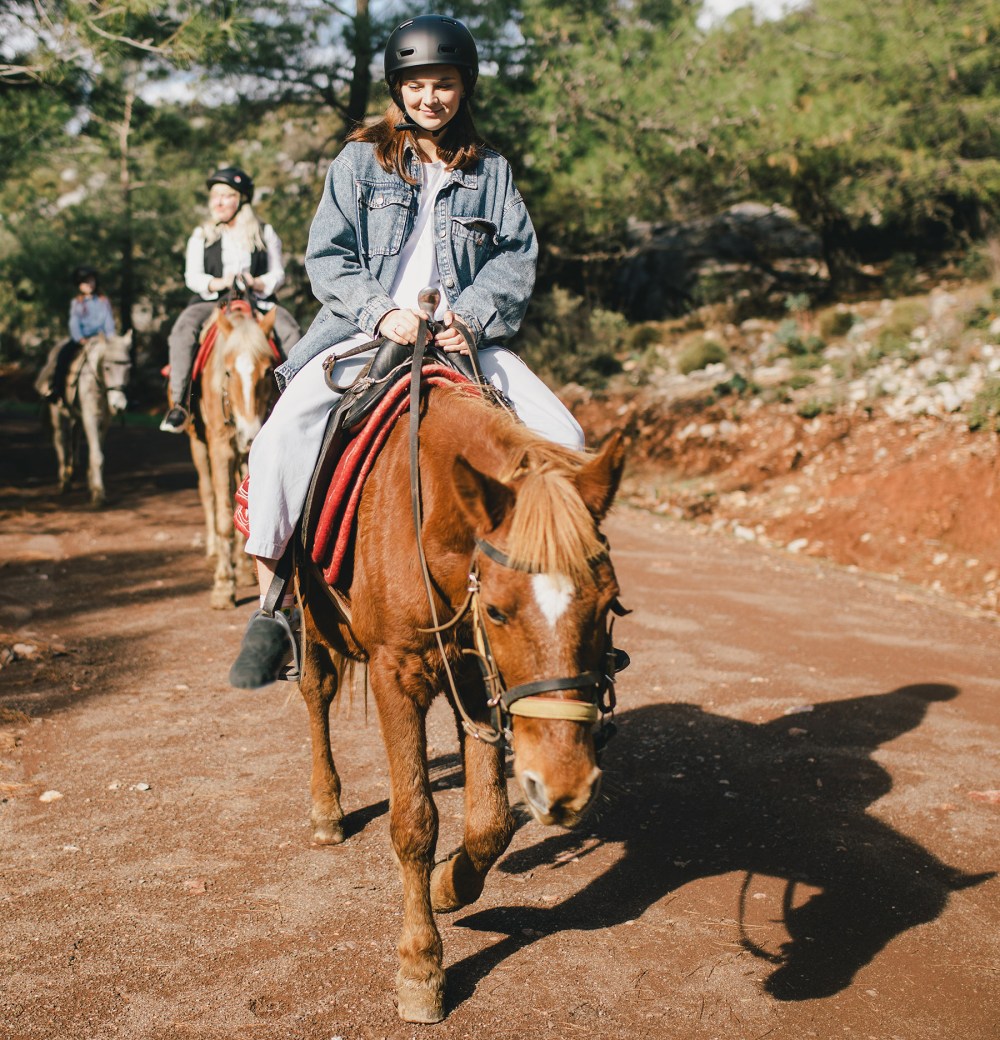
Ride only with horses that appear healthy and free of fever, coughing or nasal discharge.
Avoid sharing water buckets, feed tubs, grooming tools or tack.
Bring your own water whenever possible instead of using communal troughs.
Don’t allow horses to touch noses with unfamiliar horses.
Keep your horse’s vaccinations up to date as recommended by your veterinarian.
Clean and disinfect trailers and equipment after transporting horses from different locations.
A real-life scenario
Emma and Sarah meet for a weekend trail ride, each bringing their own horse. During a rest stop, the horses are tied close together and share a water bucket while their riders enjoy lunch. A few days later, Sarah’s horse develops a fever and nasal discharge. Veterinary testing confirms a contagious respiratory illness. Before the diagnosis was known, Emma’s horse had already returned home and come into contact with other horses at her property.
Fortunately, both owners acted quickly. They isolated their horses, contacted their veterinarians and notified anyone whose horses may have been exposed. While the illness was contained, the experience was a reminder of how easily disease can spread through everyday activities.
Healthy habits matter
Biosecurity isn’t about avoiding trail rides or limiting time with friends, it’s about reducing unnecessary risk. Most contagious diseases spread through direct horse-to-horse contact, shared equipment or contaminated water sources. By following a few simple precautions, horse owners can help protect not only their own horses but also the broader equine community.
Before every ride, take a moment to consider how your actions could affect the health of other horses. Bringing your own water, avoiding shared equipment and keeping a respectful distance between unfamiliar horses are easy habits that make a meaningful difference.
Good horsemanship includes caring for the health of every horse we encounter. A little prevention today can help ensure many more enjoyable rides tomorrow.
Since 1974, the Manitoba Horse Council has been dedicated to supporting horse owners, riders and equestrian organizations across Manitoba. To learn more about membership, education and member benefits, visit www.manitobahorsecouncil.ca.