
COLUMN: Village News – A hard road to a new life
Advertisement
For Mennonite immigrants leaving Imperial Russia and later the Soviet Union for Canada, the journey to Manitoba was far more than a trip across continents. It was a difficult and often dangerous ordeal marked by uncertainty, medical inspections, and the constant risk of family separation. While the promise of freedom and opportunity drew thousands westward, many discovered that reaching Canada required overcoming formidable obstacles long before they arrived on the Prairies.
Before departure, emigrants underwent medical examinations intended to determine whether they were fit for immigration. These inspections continued throughout the journey, and anyone who failed could be detained until they recovered or, in some cases, prevented from continuing altogether. Families lived with the fear that illness, injury, or disability might separate them from loved ones and derail their hopes for a new beginning.
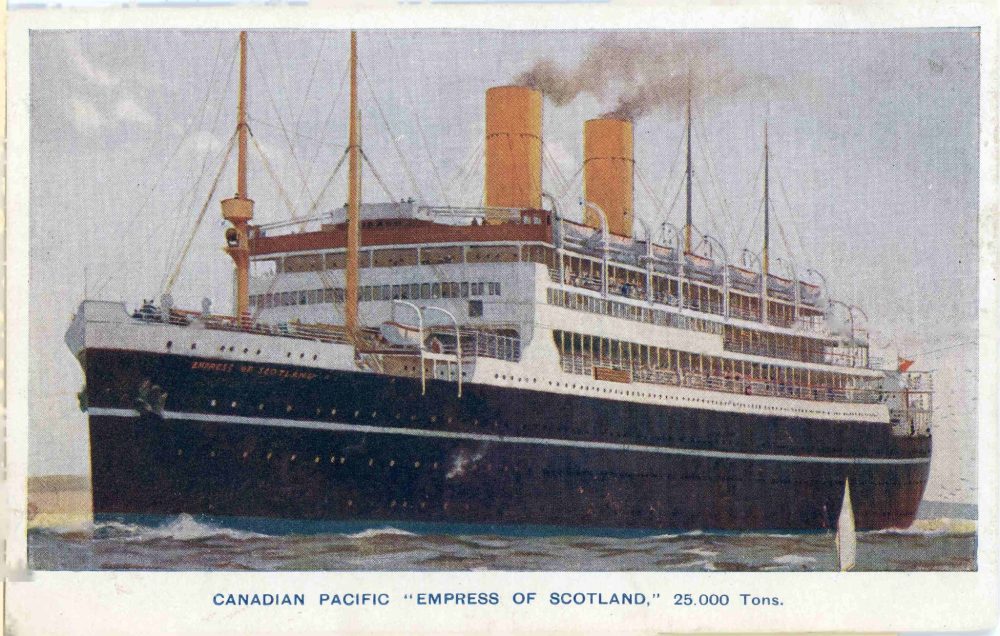
The journey itself often increased the risk of illness. Migrants spent weeks in crowded accommodations, ports, and ships where ventilation was poor and sanitation limited. Seasickness was common, leaving many passengers weakened and vulnerable. Under such conditions, diseases such as cholera, typhoid, and dysentery could spread rapidly. Children were especially at risk, and parents worried constantly about their health and safety during the long voyage.
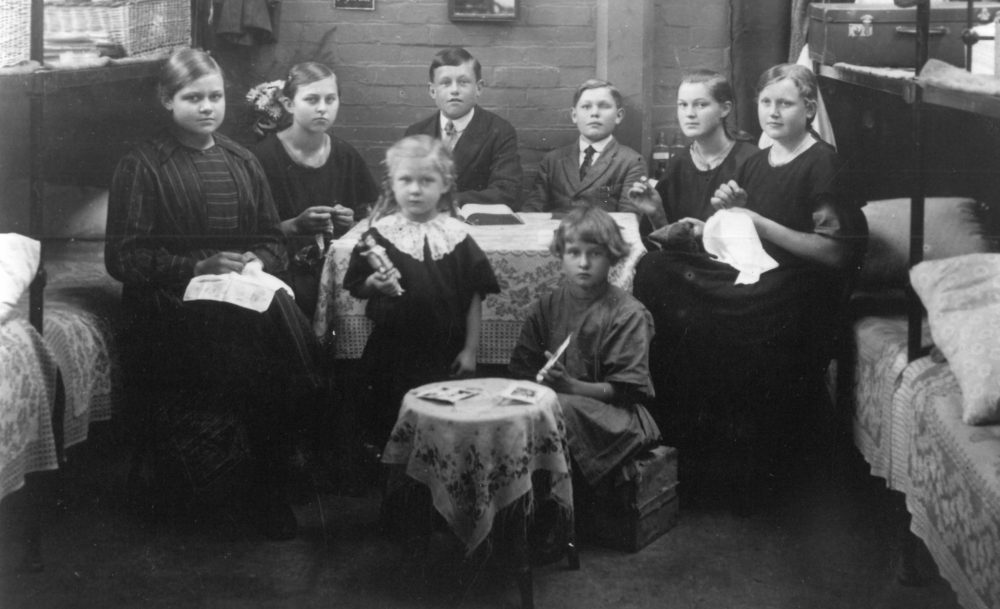
One of the most challenging stops along the route was Atlantic Park in Eastleigh, near Southampton, England. Migrants who failed medical inspections were often held there in medical detention while awaiting treatment or further assessment. Some remained only a short time, while others faced delays lasting months or even years. Births and deaths occurred as families anxiously awaited permission to continue their journey, unsure of what the future would bring.
Among those affected were Peter and Anna Engbrecht, who left the Soviet Union in 1926 with six of their children. Their plans changed dramatically when their 17-year-old son Heinrich (1909-1928) failed a medical examination and was forced to remain behind while the rest of the family continued to Canada. Despite the separation, the family never gave up hope. For nearly two years they sought permission to reunite with him, encouraged by Heinrich’s optimistic letters. Tragically, he died in England in 1928, cared for by fellow migrants but never reunited with his family. His story illustrates the heartbreak experienced by many immigrant families whose futures depended on the outcome of a medical inspection.
Physical disabilities or past injuries could also place an immigrant’s future in jeopardy. Jacob George Krahn (1874-1947) learned just how closely immigration officials scrutinized each applicant. Years earlier, he had lost his left index finger in a threshing accident. During his immigration medical examination, officials questioned whether the injury might prevent him from supporting himself in Canada. His medical certificate carefully recorded the missing finger, but it also concluded that he remained fully capable of earning a living. That assessment proved crucial. Krahn was permitted to continue his journey, demonstrating how a single medical decision could shape the future of an entire family.
The experience of three-year-old Lydia Thiessen (1923-2006) highlights another challenge faced by immigrant families. In 1926, Lydia and her mother, Sara, were detained in Southampton because officials were concerned about Lydia’s eyesight. Immigration regulations meant that she could have been denied entry and sent back to the Soviet Union. The stakes were especially high for the family. Lydia’s father had emigrated to Canada the previous year, and during the journey to join him, Lydia’s younger brother, Johann, died en route. Lydia’s future changed when members of the Canadian Mennonite Board of Colonization signed a sworn declaration guaranteeing that she would not become a public charge. Their intervention allowed Lydia and her mother to continue their journey and reunite with their family in Canada.
The stories of Heinrich Engbrecht, Jacob George Krahn, and Lydia Thiessen reveal the fragile nature of the immigrant journey, where a medical diagnosis, a physical injury, or an official decision could alter the course of a life. They also testify to the courage, determination, and resilience that helped Mennonite families build new communities across Manitoba. Though their journeys were often marked by loss and uncertainty, their perseverance carried them toward the hope of a new life in Canada.
To learn more about the relationship between Mennonite history and health care, visit MHV’s exhibit, Mennonite Medicine: Cures and Curiosities, 1800-1950. Through artifacts, stories, and personal accounts, the exhibit explores the medical challenges, remedies, and innovations that shaped Mennonite life across generations.
Garth Doerksen is the senior curator of the Mennonite Heritage Village.
Upcoming events
Until Sept. 30 – The museum, the Livery Barn Restaurant, the General Store, and Village Books and Gifts are open seven days per week.
Open daily until 5 p.m. – Gerhard Ens Gallery new exhibit is open: Mennonite Medicine: Cures and Curiosities – 1800 to 1950.
Sept. 3 – 5:30 p.m. to 9:30 p.m. – Books, Borscht and Blues – Enjoy a soup buffet from the Livery Barn Restaurant and enjoy the sound of Manitoba-grown artists; the award-winning Ollee Owens, and the dynamic duo of Big Dave McLean and Dan Thiessen.
Sept. 7 – Fall on the Farm: Cultural Showcase – Join the Mennonite Heritage Village for Fall on the Farm 2026! Spend your Labour Day with MHV, celebrating the harvest season. Enjoy pioneer demonstrations, hog butchering, cultural food and performances, and celebrate the last weekend of summer. Children’s entertainment, wagon rides, barrel train, candy booth and much more.