
Mennonite documentary looks at Paraguay migration, 10 percent died
Advertisement
Following on the heels of the successful documentary Where The Cottonwoods Grow is Under The Lapacho Tree, director Dale Hildebrand’s latest attempt to tell the Mennonite story.
“The last film I did, Where The Cottonwoods Grow, was about the Mennonite migration of 1874 from Imperial Russia to the West. And so this story is the same group of people, but some of them migrated to Mexico and a few other places, and one of them, there’s a group that migrated to Paraguay in end of 1926, 1927…and they were some 2,700 kilometres upriver from Buenos Aires in the middle of nowhere,” said Hildebrand.
Under The Lapacho Tree explores the late 1927 migration of 1,778 Canadian Mennonites to Paraguay’s Chaco region, which is considered one of the most inhospitable places on earth and nicknamed The Green Hell, leading to the death of 10 percent of those that moved there within the first 16 months of arrival. Upon hearing what was going on in Paraguay, Mennonites from Canada, including from Altona and the East Reserve, stopped migrating there.
“The Chaco is known as Green Hell, because it’s green and there’s no water to be found. The water that they find is brackish, it’s salty, so they can’t survive on that. But the Indigenous people learned how to find water at a certain level, and there’s a stream of sweet (water), just above the salt water,” said Hildebrand.
“(After searching, the Mennonite scouts) found a place where (the Mennonites) could possibly live and grow their crops. But they went there in winter, which is right now, which is south of the equator, it’s currently winter. So, the weather was quite different than what it turned out to be when they actually migrated there,” he further noted.
The average temperature in Chaco is 26C with a high of 44C and a low of 0C.
Since the railroad that was promised was never built to get to the area the Mennonites wanted to live in, they were stranded in Puerto Casado for 16 months where many died. Finally, the Mennonites decided to take oxcarts to get to their settlement location.
Although, the early Chaco Mennonites lost 10 percent of their population, today Loma Plata, the first colony the Mennonites built, is a thriving community of 18,000 people.
“The whole community joined in making this film. It was one of the funnest films I’ve ever made,” said Hildbrand, noting he thought 30 people would be interested in participating in the documentary only to find 70 come to the set.
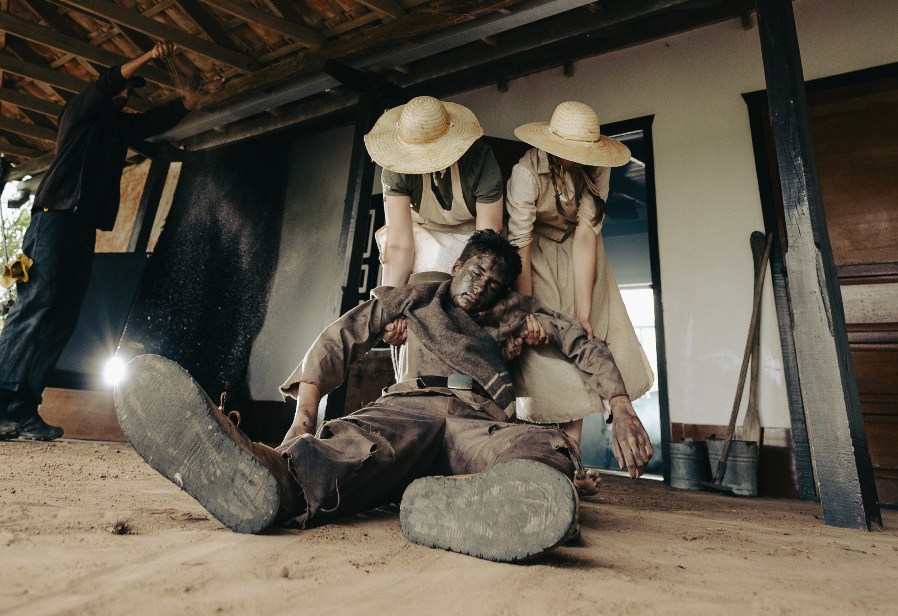
Under The Lapacho Tree is centered around the story of a Mennonite family during the Chaco War of the 1930s. They find a wounded solider and nurse him back to health. During this story line, the history of the Mennonite migration to Paraguay is interwoven.
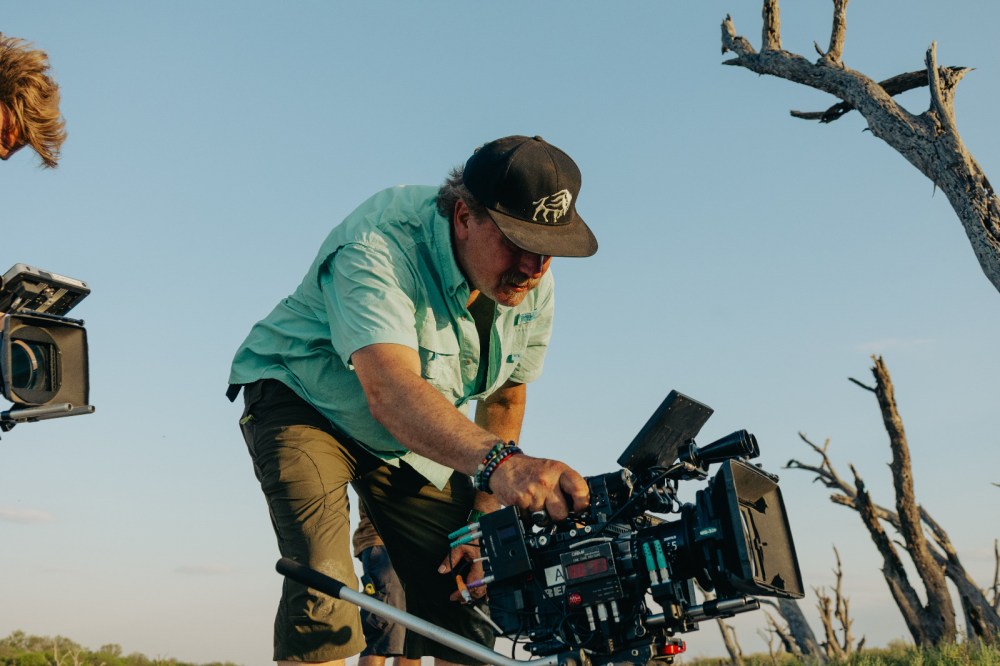
Compared to Where The Cottonwoods Grow, this film is more ambitious according to Hildebrand. The crew built a whole set for the documentary, which Hildebrand called a “tent city,” but was more of a shanty town as the Mennonites lacked proper materials to build their colony when they first arrived. Hildebrand also used 20 oxcarts, 40 oxen, 20 oxcart drivers, and about 70 extras moving through four feet of water in places and thick forest to film some of the scenes. For next year’s anniversary, residents of Loma Plata will reenact the oxcart journey from Puerto Casado to Loma Plata before the screening.
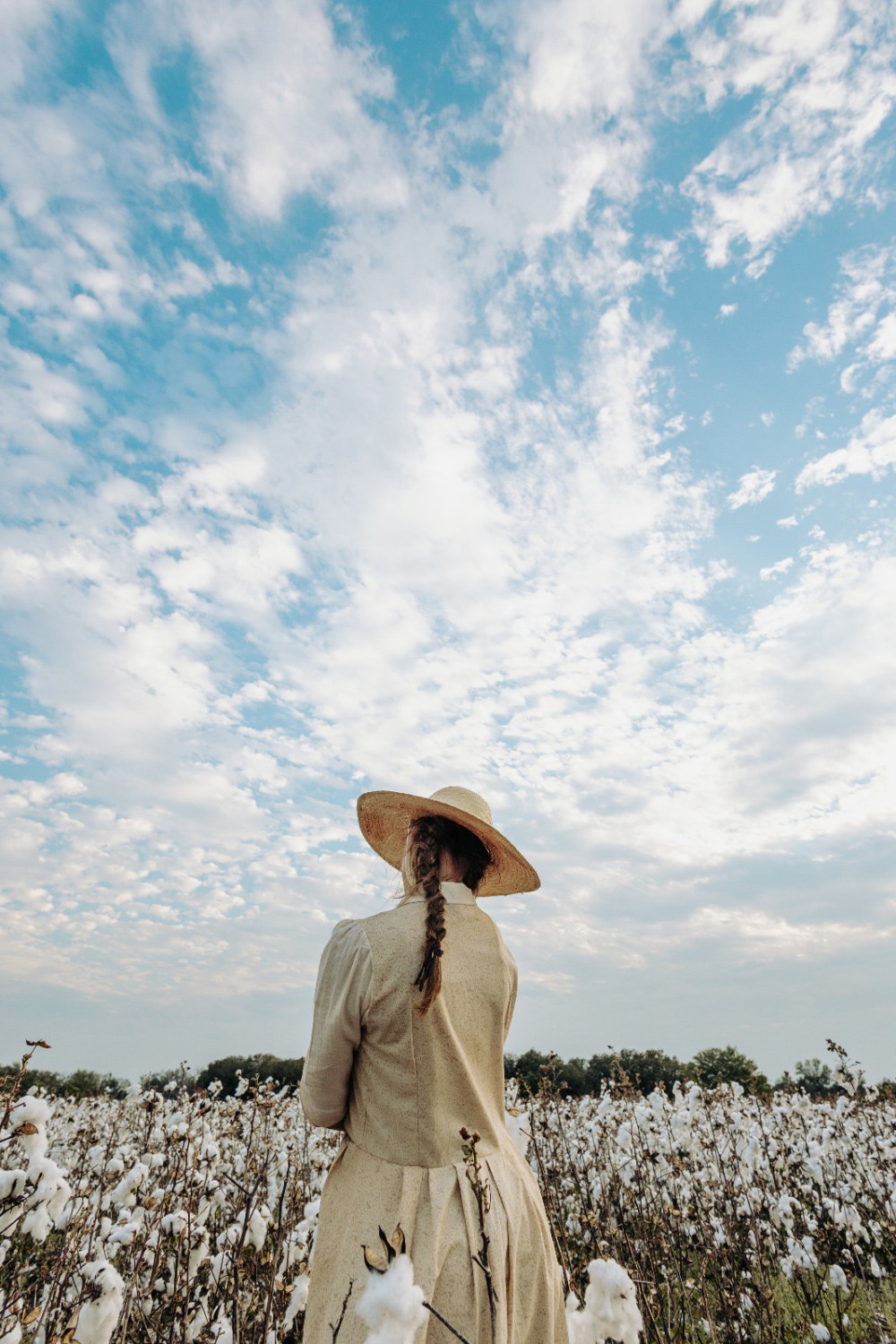
Hildebrand’s strive for authenticity even extended to the type of crops the Mennonites might have grown. He had the crew plant 900 cotton plants on set months in advance so that when it was time to film the cotton, it would be in full bloom. But rainy cold weather meant the plants didn’t mature when it was time to shoot, so Hildebrand had the crew pull up the plants and take mature cotton plants from an experimental farm and replant them onto the set.
From those sets to the wardrobe, the efforts on this documentary were extraordinary, including the commitment of the actors, according to Hildebrand.
“I was using a non-actor for our cast down there and the performances were absolutely brilliant. One young girl in there, we wanted her to play the role, but she has braces. And well, nobody had braces in 1927 down there in this group. So, we actually removed the braces and we’re putting them back on right now. So, that was the commitment people did and everybody was committed to the project,” he said.
Hildebrand got the idea to make the film from the Chaco Mennonites. Some of them had come to Winnipeg to view Where The Cottonwoods Grow and brought the film to Chaco to screen it. They were so pleased by the documentary that they asked Hildebrand to make one about their migration, especially since next year would be the 100th anniversary of their move to Chaco.
“I have to say it’s a thousand times more ambitious than what we had in Where The Cottonwoods Grow,” said Hildebrand. “We have a huge amount of reenactments. And, we have…a lot more drama in it and a lot of visuals you would see in a Hollywood picture. Some of the visuals are just – I’m really, really excited about them. It looks stunning.”
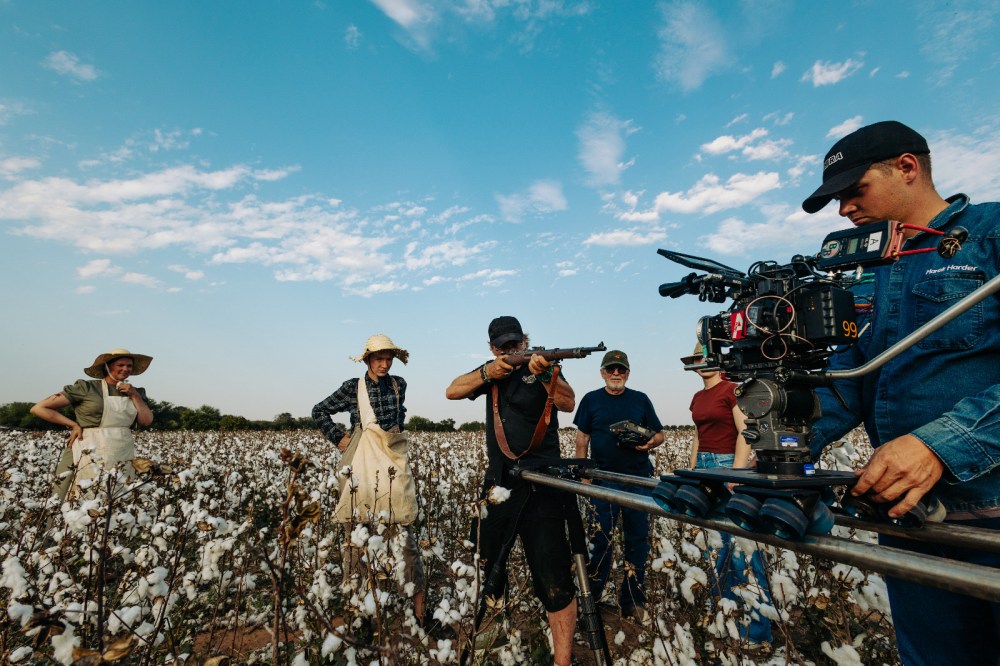
One of the interesting aspects of this documentary was that Hildebrand decided to shoot it in German, Spanish, and English. He said it was something he wanted to do from the beginning as he wanted to make a film that could be watched in Canada, especially since it was funded in part by the Canada Media Fund. But he also wanted it to be in German as he wanted the Mennonites there and other German speaking people in Paraguay to understand it, and the Spanish is an effort to share this history with all Paraguayans and all South American and Latin countries.
Hildebrand decided to title his documentary Under The Lapacho Tree because of the tree’s resilience, a metaphor for the Mennonite experience in Chaco.
“The lapacho tree is not necessarily indigenous to that area. But it is a beautifully blooming purple violet jewel of a tree. And once it, in essence, takes root, it blossoms into a beautiful tree…
“So, symbolically, it’s like the Mennonites moving into that same area. They are not indigenous to the area, but now they have taken root and they have blossomed.”
Hildebrand promises that there will be a screening of Under The Lapacho Tree at Mennonite Heritage Village once the documentary has been edited.
What he wants audiences to take away from this film, and from Where The Cottonwoods Grow, is to understand and appreciate other cultures, not just Mennonites appreciating other Mennonites.
“I want people to understand the journey that this culture took. So, I’m not just telling that story. I’m trying to give them the whole geography and understand a sense of compassion towards a group that has sacrificed a lot. And I think that story is applicable to the migrant story of today from any or in every culture.”
What’s next for Hildebrand is an Indigenous police series titled The Watcher and a documentary about the medical system in England. Although he said he is not currently looking at doing another Mennonite film, he might in the future.
“But who knows what’s next? There’s another Mennonite one? I don’t know, but I’m always open to great ideas.”