Piney Forest Tours informative, enjoyable, and free for all to attend
Advertisement
The RM of Piney’s Forest Tours have been going on for three years now and the tradition is becoming more popular.
Every year, Bob Austman holds three Forest Tours focusing on the ecology, economy, and social aspects of a forest. Every free tour has a different theme and the tour in September focused on peat moss in the boreal forest and the milling of trees for lumber.
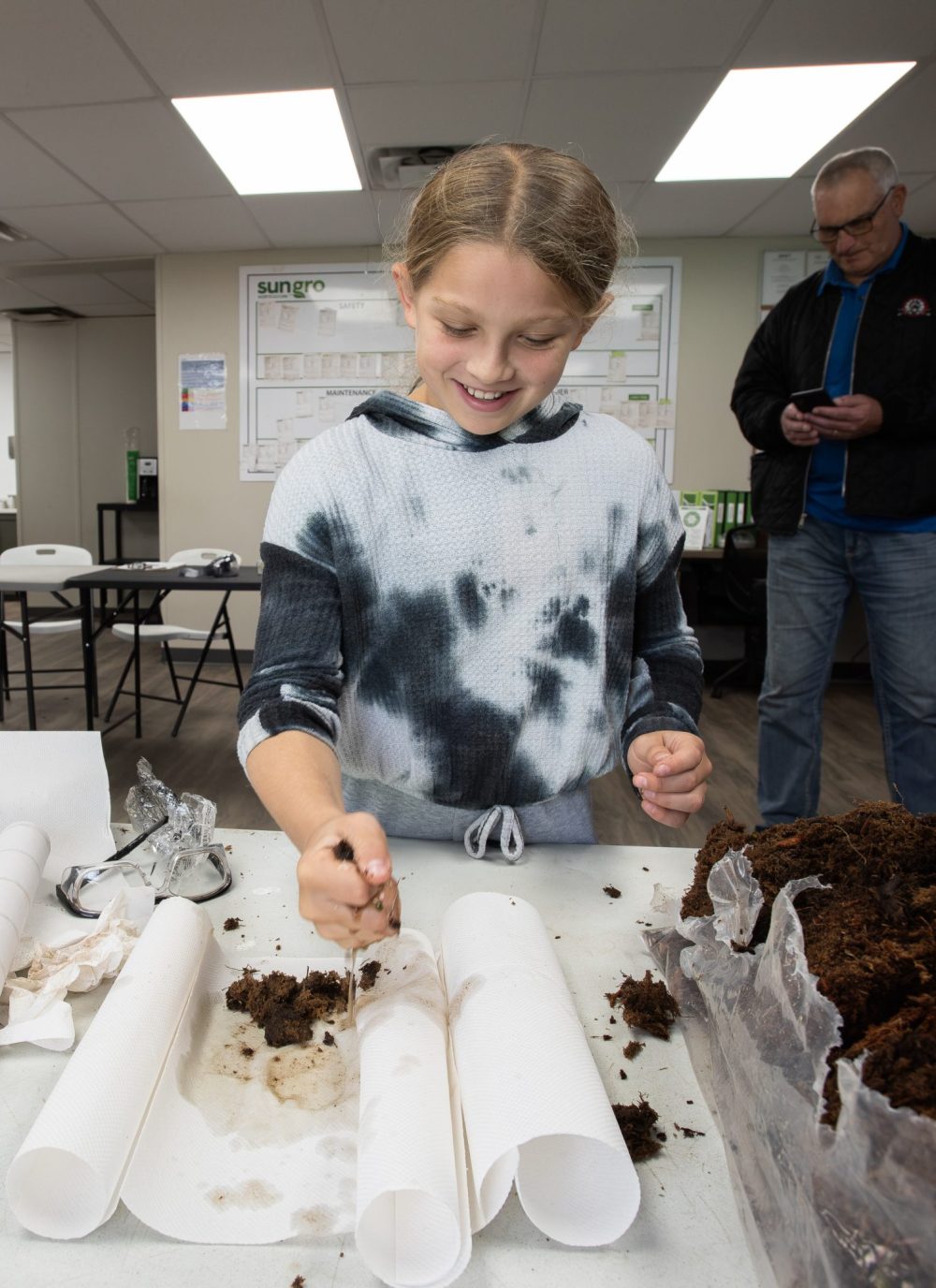
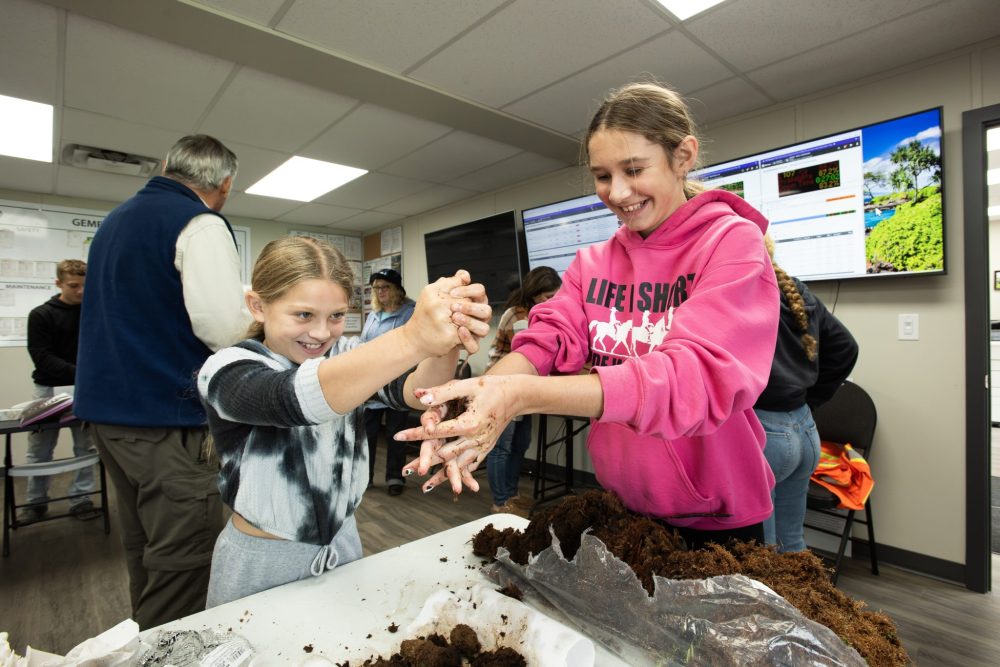
“(The tour) went very well,” said Austman. “The weather cooperated. It was nice to see some youngsters in the group learning more about the forest and peat moss and the diversity of the group was excellent at all ages there and I think people asked some very good questions.”
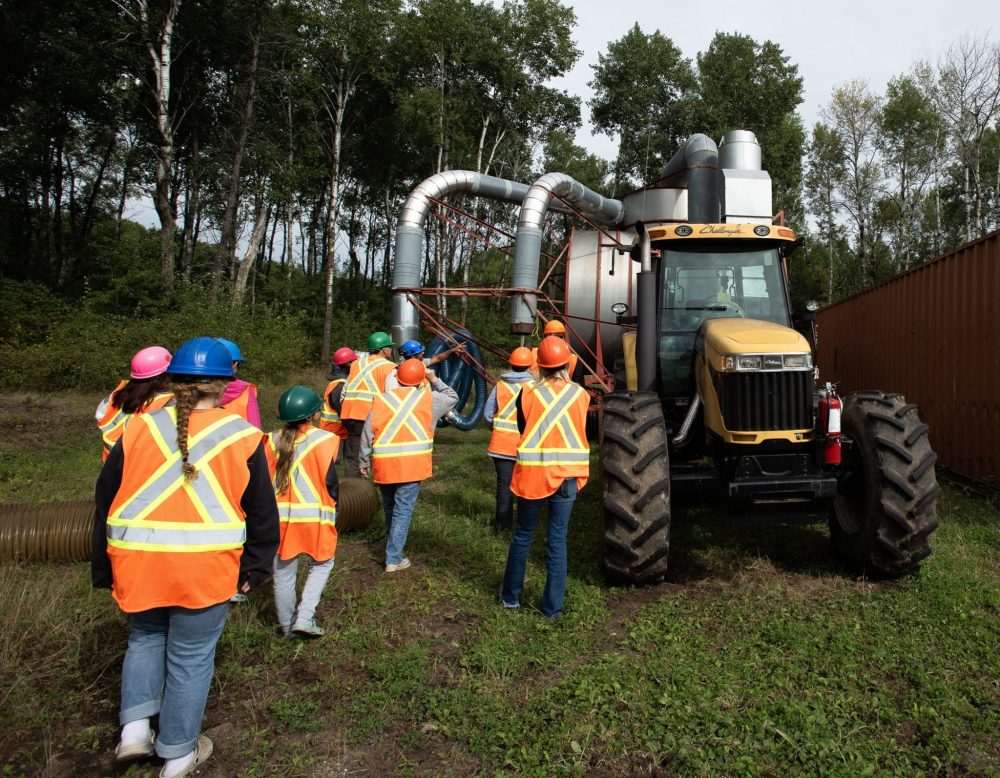
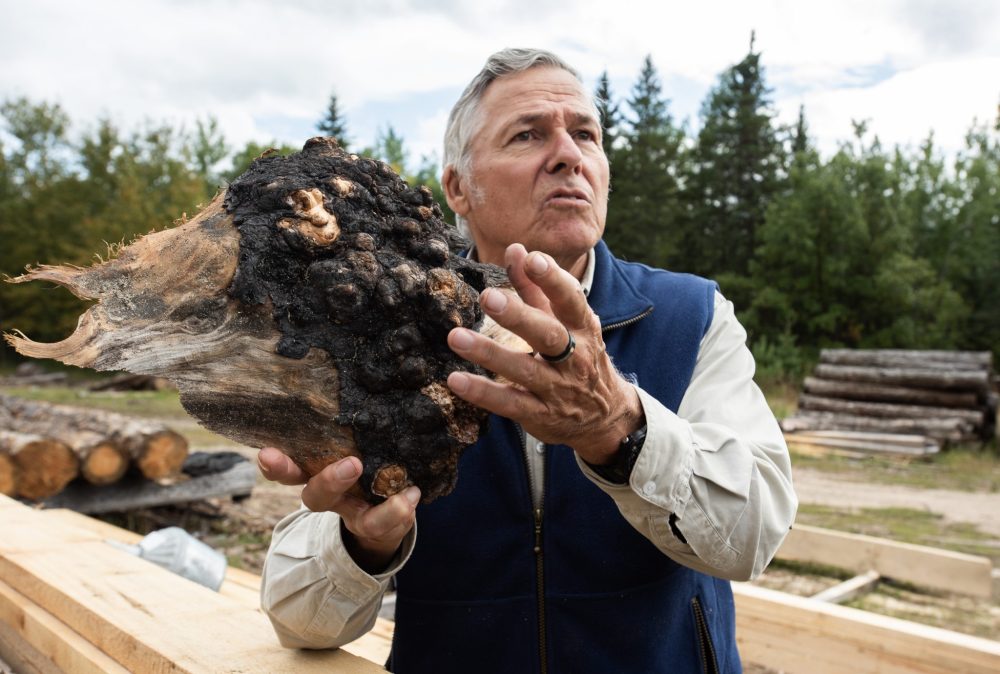
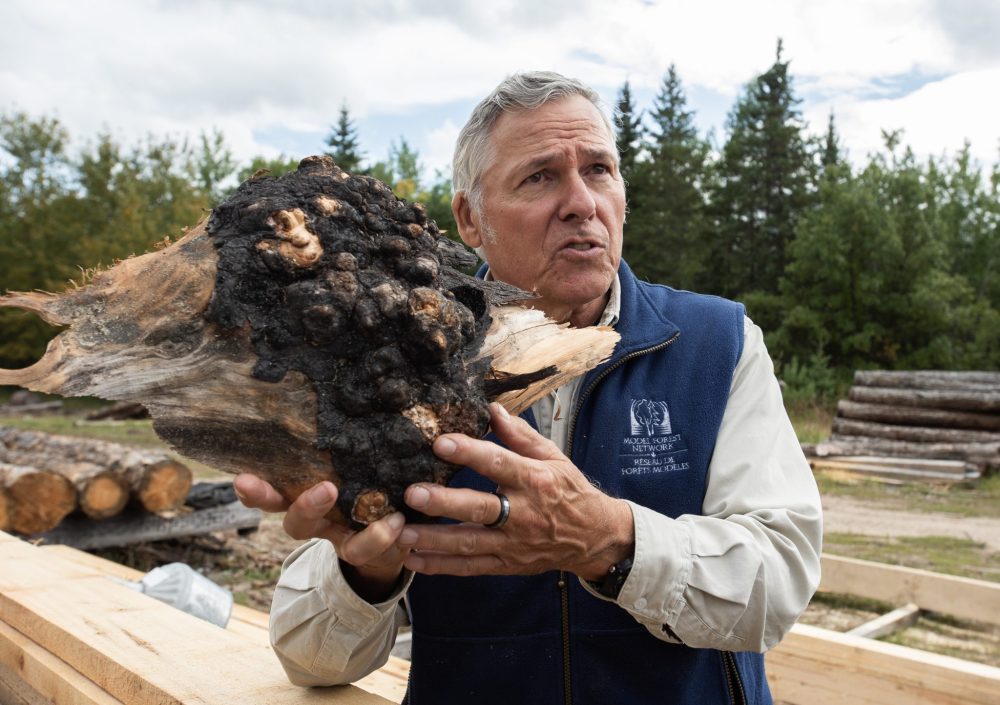
Austman is a forest educator who works part-time for Tree Canada as a quality control inspector for its provincial planting projects. He retired after 15 years of working for the Manitoba Model Forest (which consists of about 1.05 million hectares of boreal forest) as the education coordinator and forest research assistant.
“Bob is so personable and so knowledgeable that you enjoy every time that you go out with him,” said visitor Sharon Bernard. The Middlebro resident has been on all of Austman’s Forest Tours and was on the September tour as well.
“And you can tell by the way you react when you’re out there among the people that you love what you’re doing,” Bernard said to Austman as he stepped into the interview to give her a handout about saw mills.
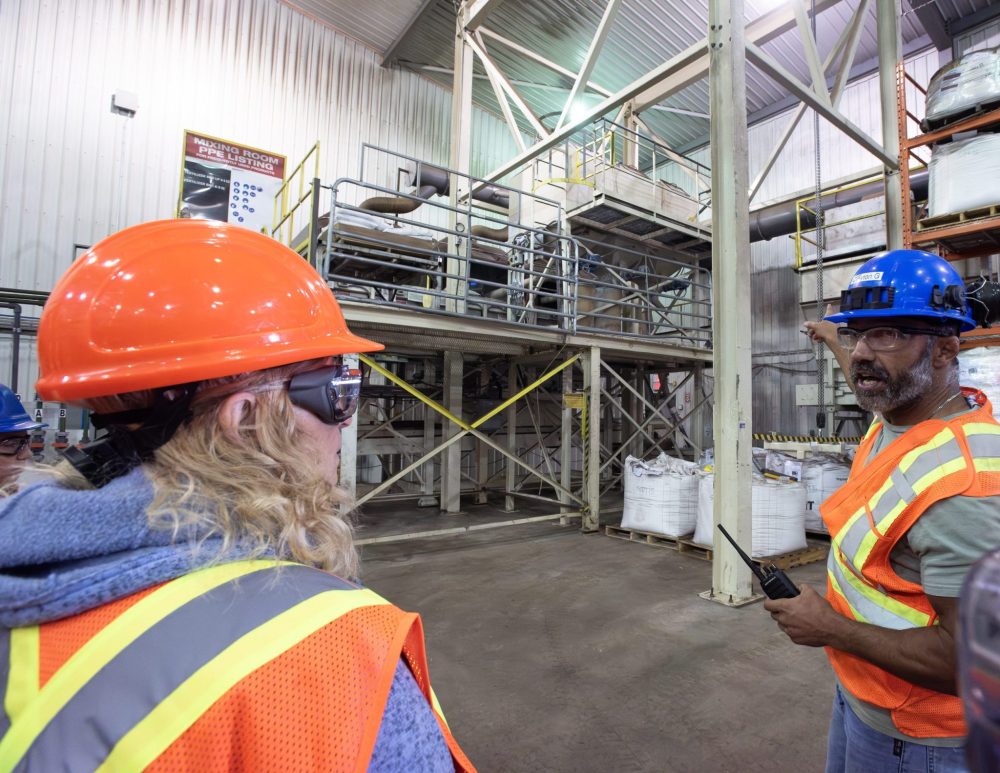
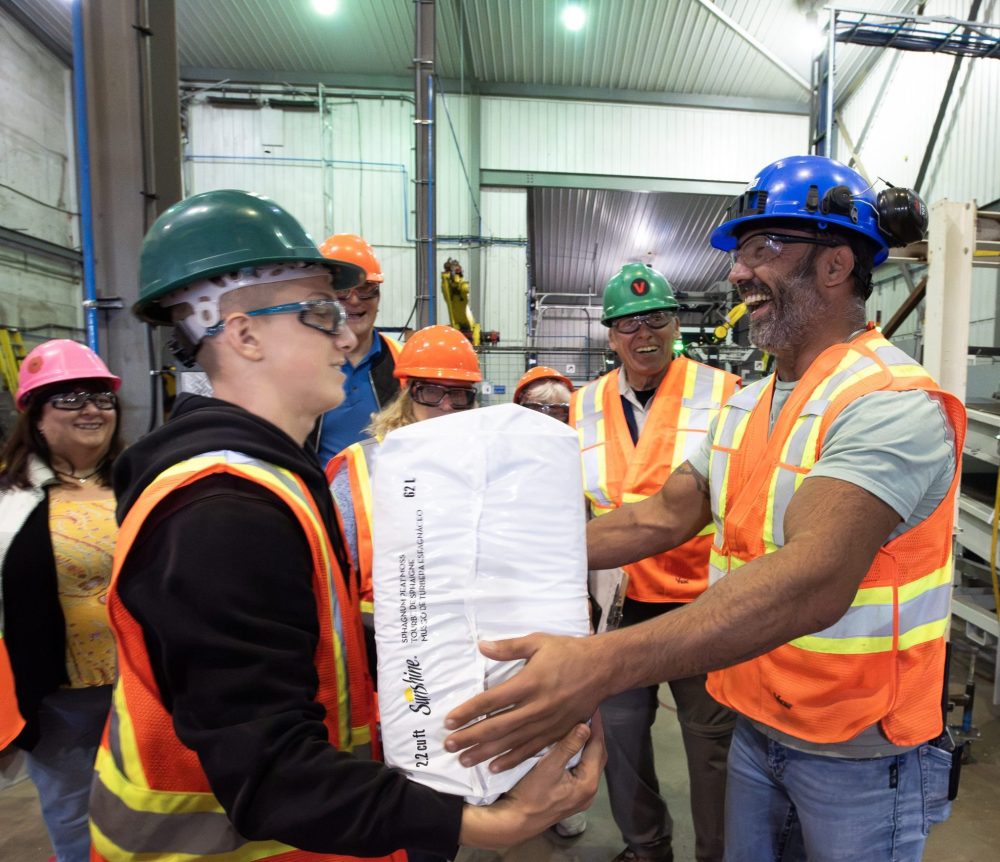
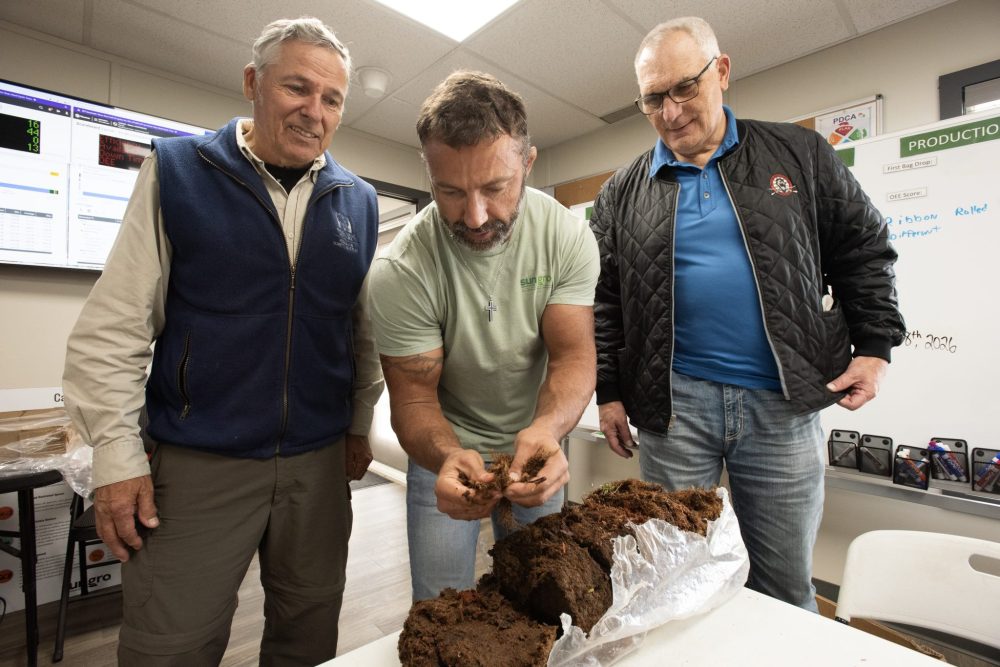
Bernard was one of 11 people who came from all over Piney and even as far as Kleefeld for the two tours, which started at the FPM Peat Moss Co. Ltd. plant near Vassar (the main employer in the area) and ended at the Reno Ouellet Saw Mill near St Labre.
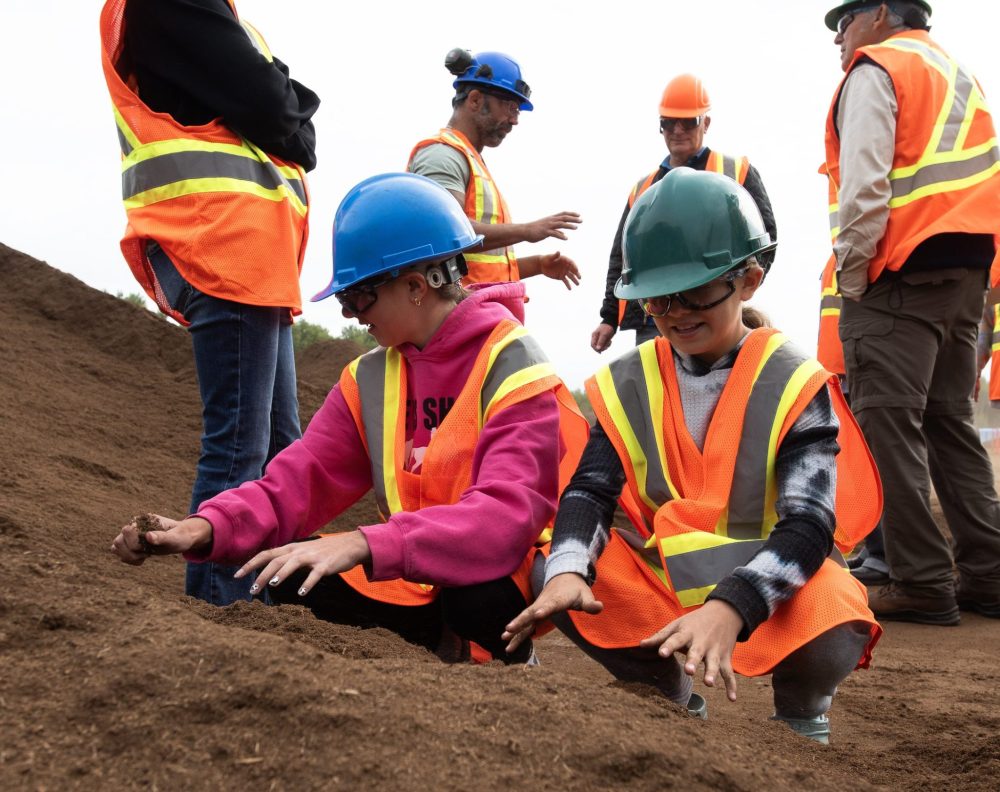
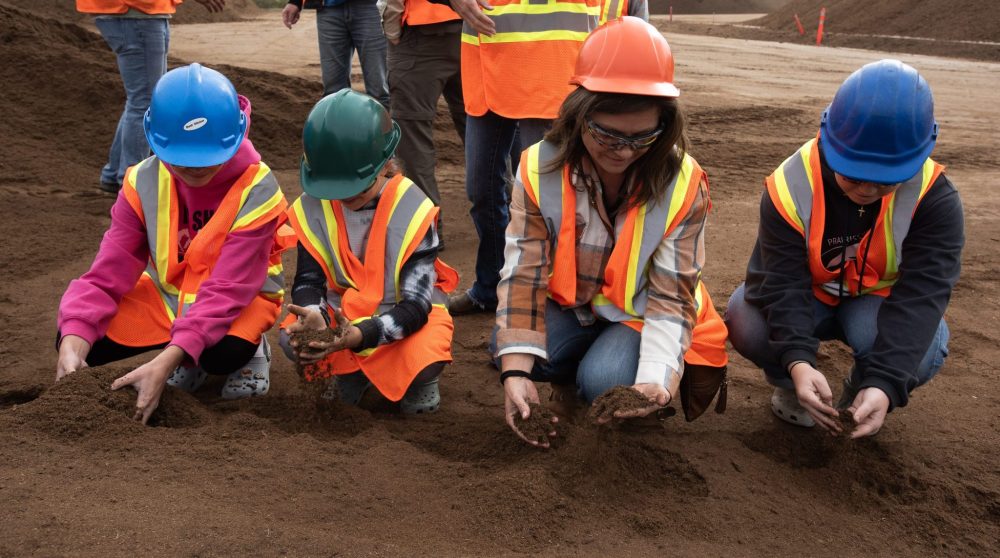
At the peat moss plant, visitors were told that North America has 32 percent of the world’s peat moss, with 27 percent being in Canada.
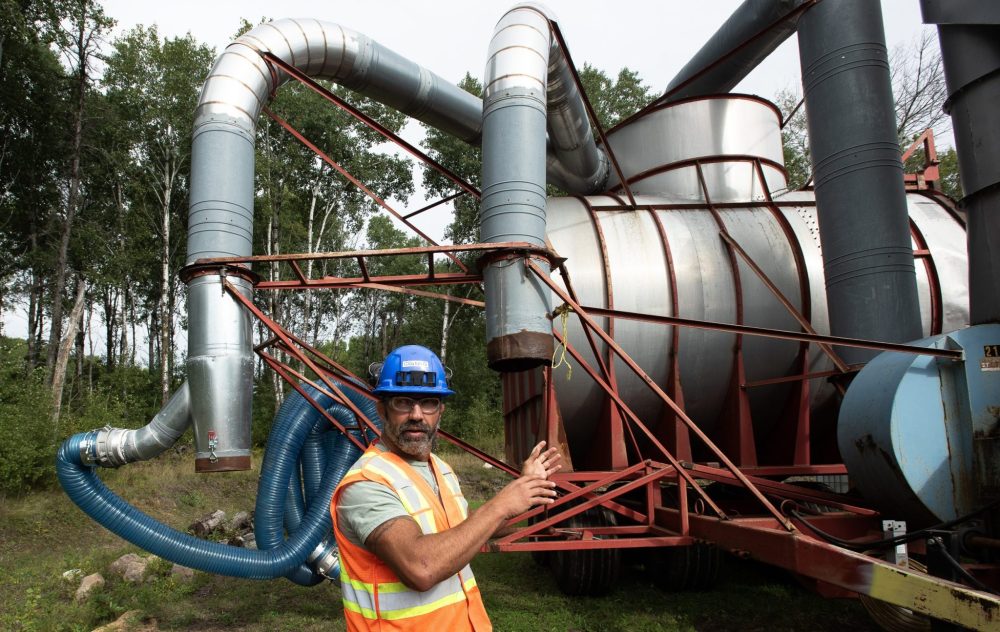
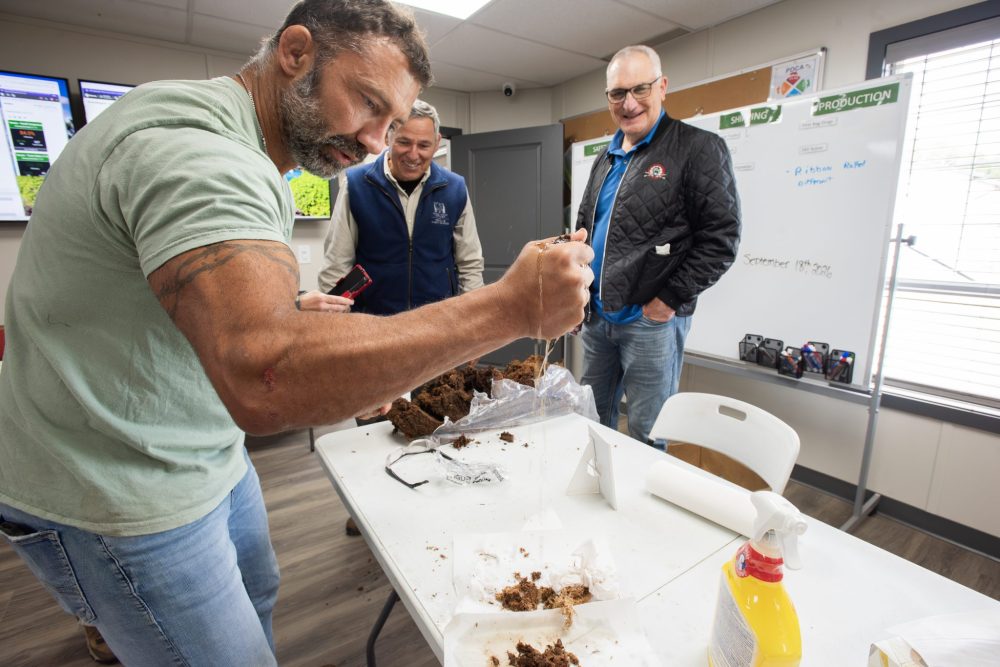
It takes thousands of years for the sphagnum moss to accumulate and transform into peat in a boreal forest. While the green moss grows from about two to 12 centimetres a year, it takes one year for that to decay into one millimetre of peat moss through compaction.
Austman said if you go deep enough into the peat moss it eventually turns into coal from all the pressure and if you go deeper still the coal turns into diamonds.
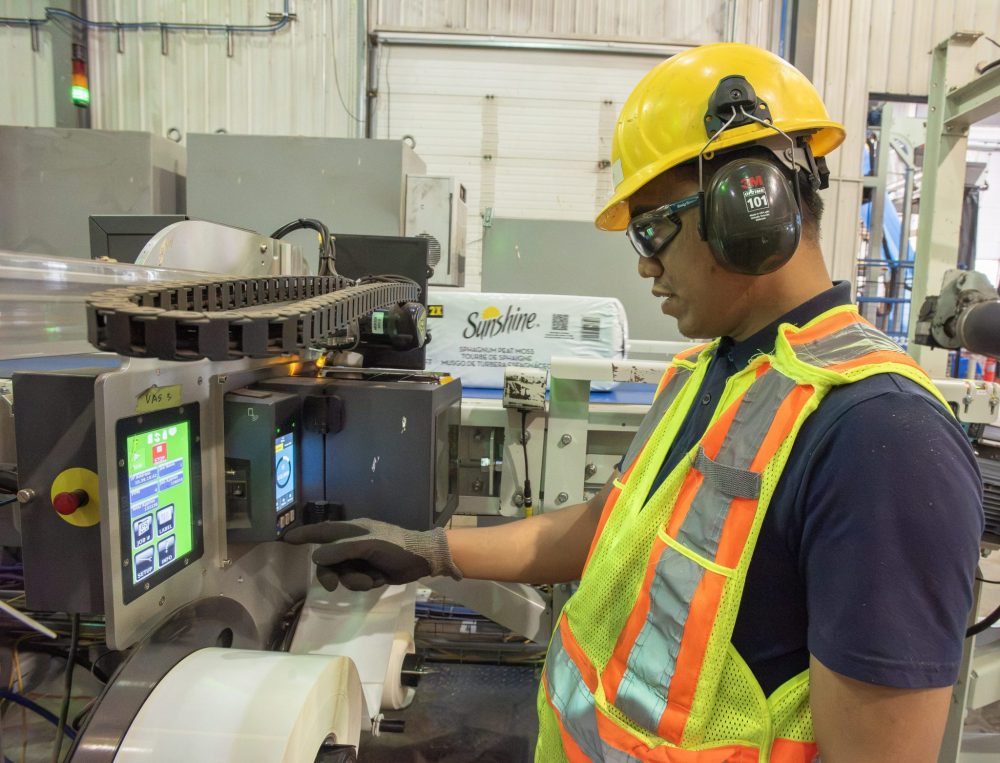
Tractors with vacuums drive over the moss harvesting about two inches with each pass over 60 days. Harvesting is done between May and October and FPM only takes those top two inches of moss rather than digging as deep as it can to collect peat.
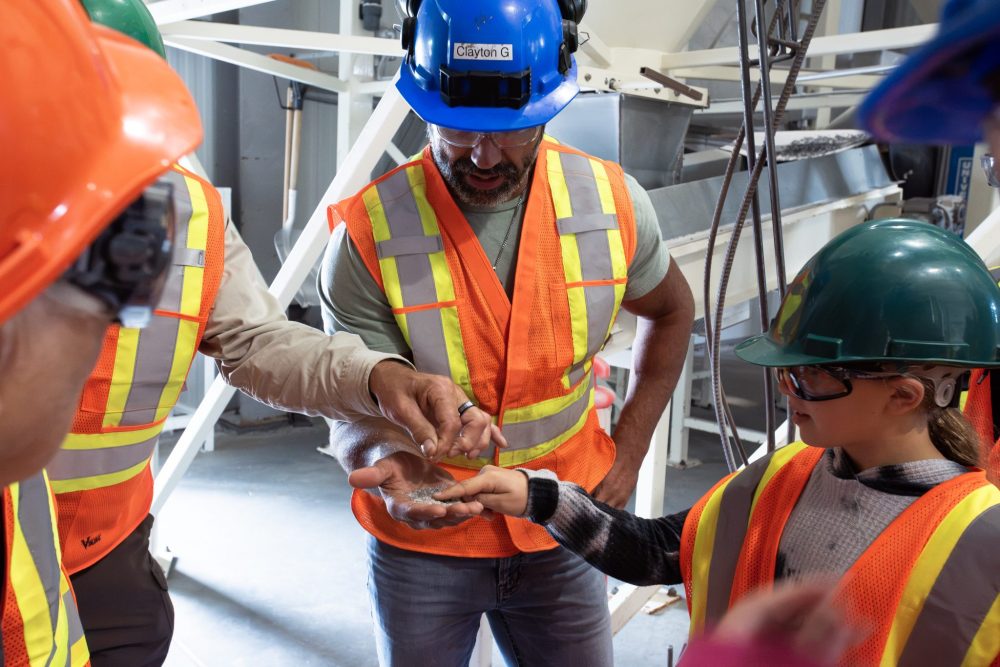
The plant harvests off of about 750 acres of bog on Crown land and sends most of its product to the U.S. and Mexico, according to FPM general manager Clayton Grawberger, who noted Vassar is one of the best places to collect peat moss.
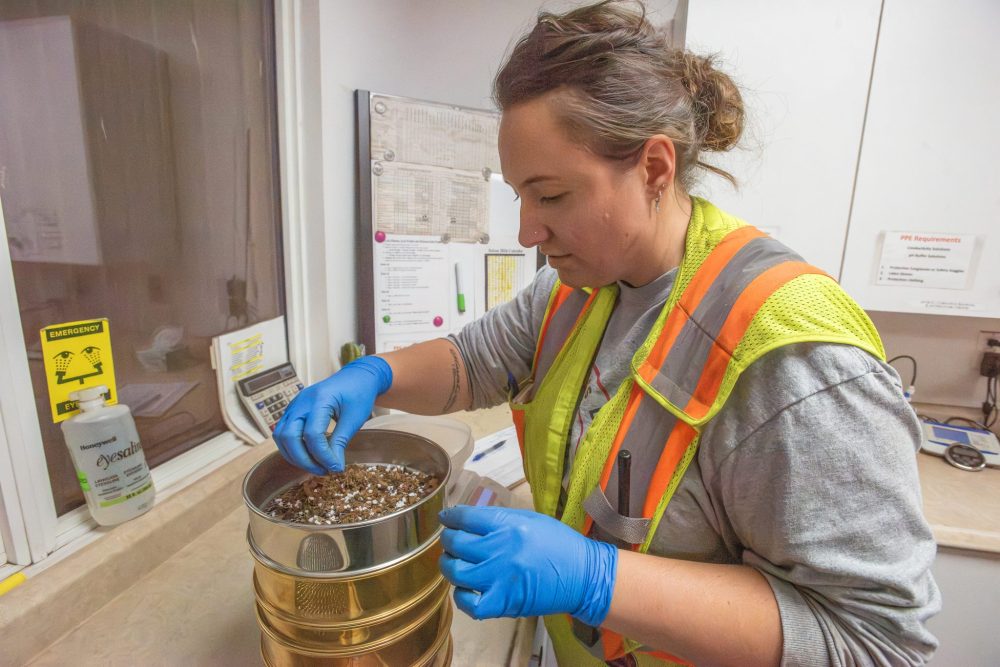
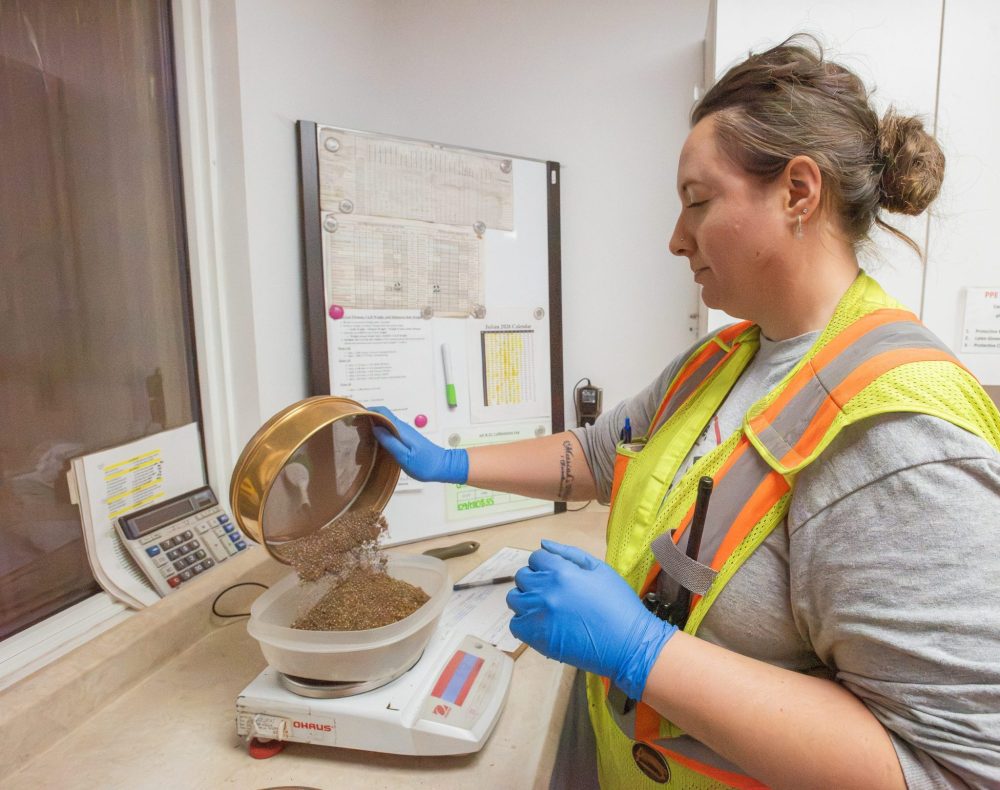
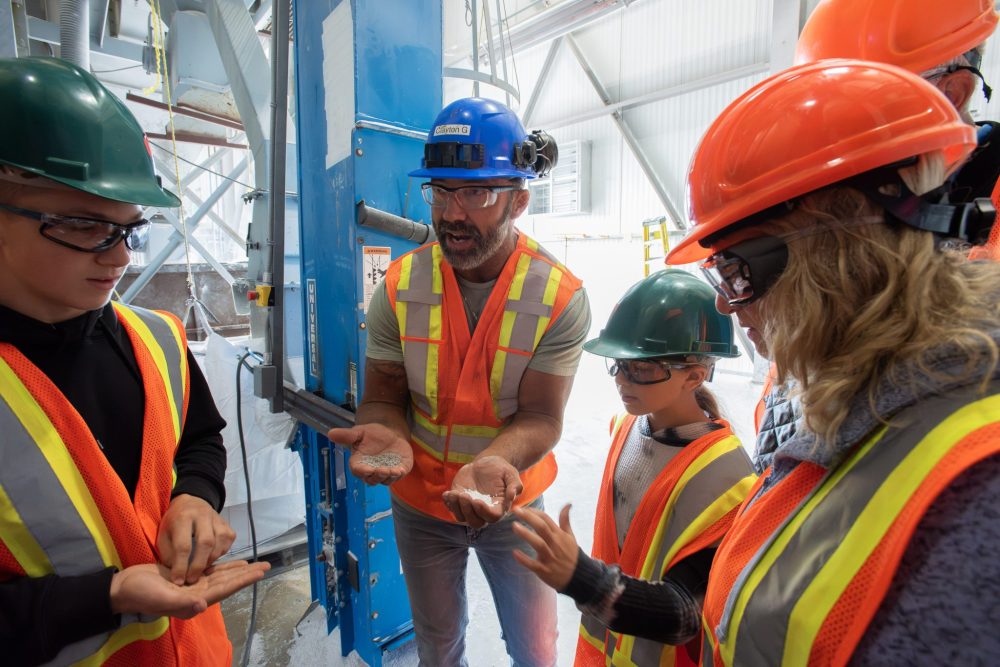
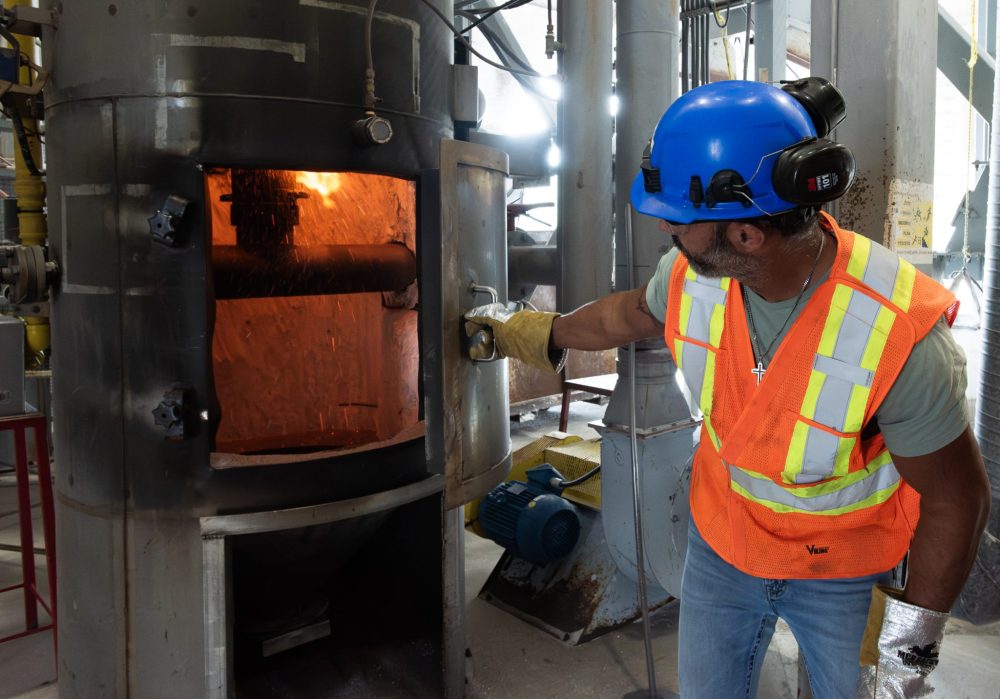
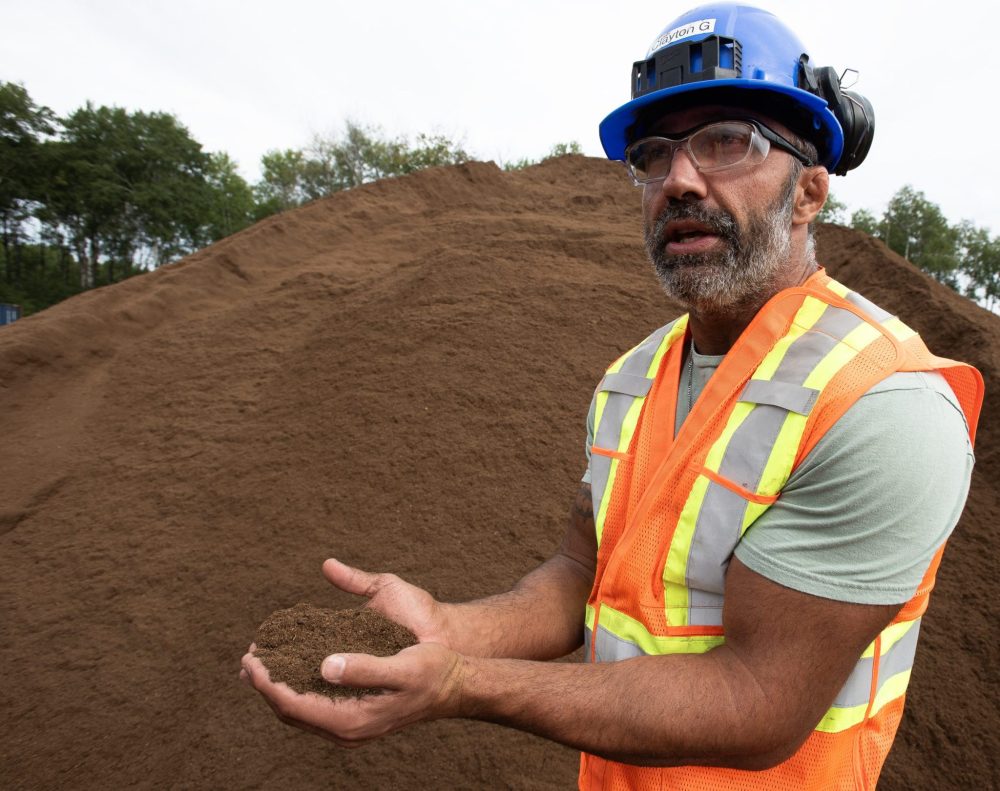
After the moss is collected, it is put through processes that sifts out wood and other impurities until a fine soil is left. Afterwards, additives such as limestone and fertilizer are incorporated to increase the pH from about 3.8 (directly from the bog) to about 6. Pearlite is also added, which is made onsite. Pearlite is an expanded volcanic glass used in gardening to improve soil aeration and drainage.
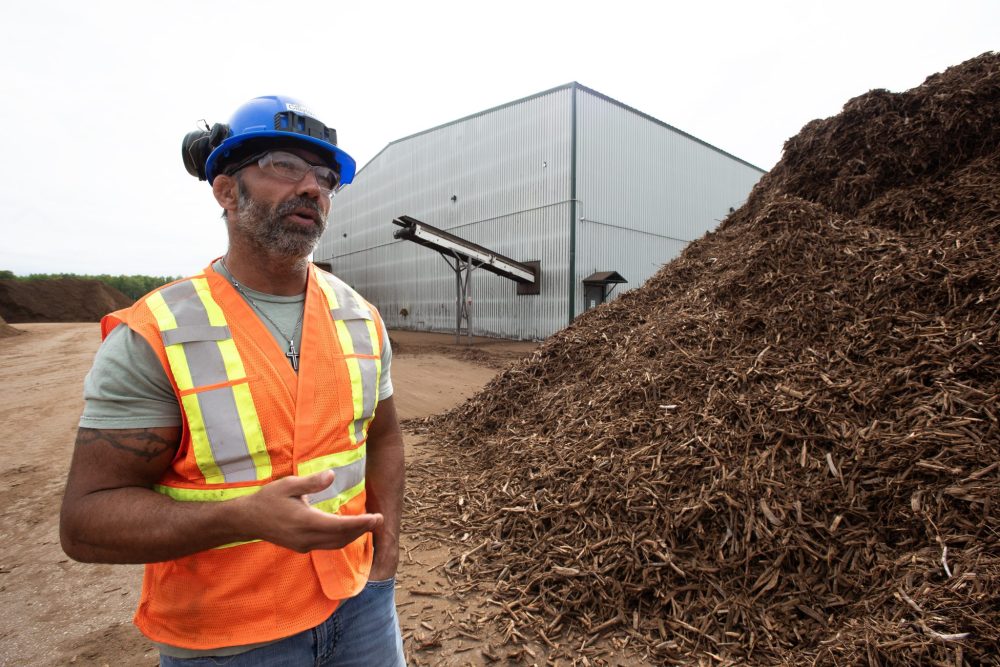
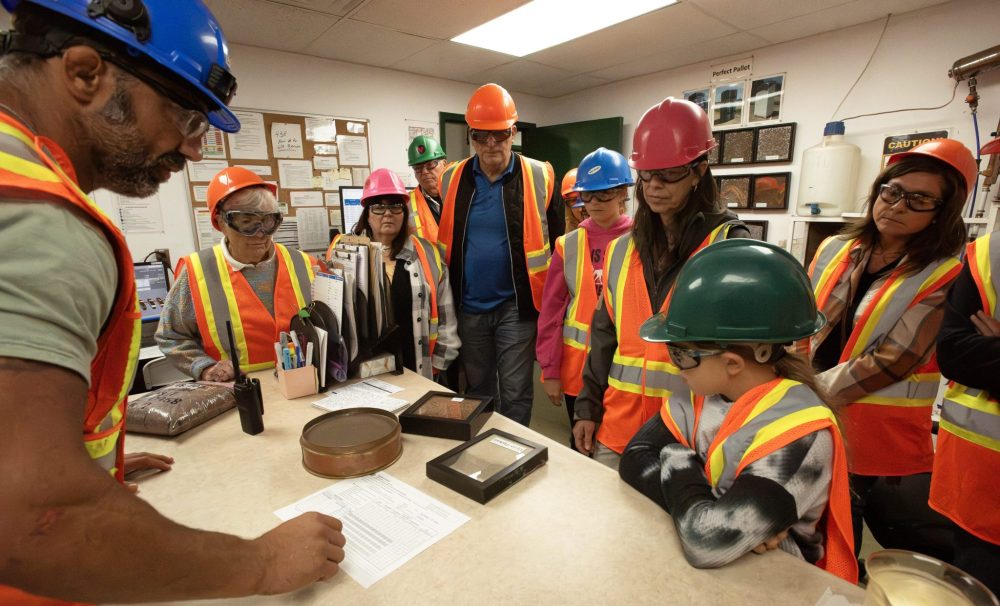
Grawberger said the best peat moss is Grade 1 which is blonde compared to Grade 5 which is almost black. He said landscapers use Grade 5, while gardeners use Grade 1 to start plants. Grade 1 holds moisture better than Grade 5.
“(Grade 1)’s are the ones that are going to be the least decayed. And it’s going to have the best bulk density weights, best to work with,” he said.
“It financially does not make sense for us to harvest low-quality peat,” he continued. “It’s still good peat for some people, but it financially doesn’t make sense because everything for us is about bulk density, and being able to maximize our truckloads.”
Bernard was impressed by the peat moss plant as she had no idea that so much went into making a bag of the rich soil. The avid gardener also didn’t know that there are different grades of peat.
“I didn’t know there’s different qualities of peat moss, you know. You just think, ‘Okay, it’s peat moss.’ And I bought stuff for gardening, of course, but always wondered why there was such a wide range of prices on this stuff,” she said.
Another tour participant was Elizabeth Culleton from Sprague. She visited the FireSmart tour and a saw mill on previous excursions.
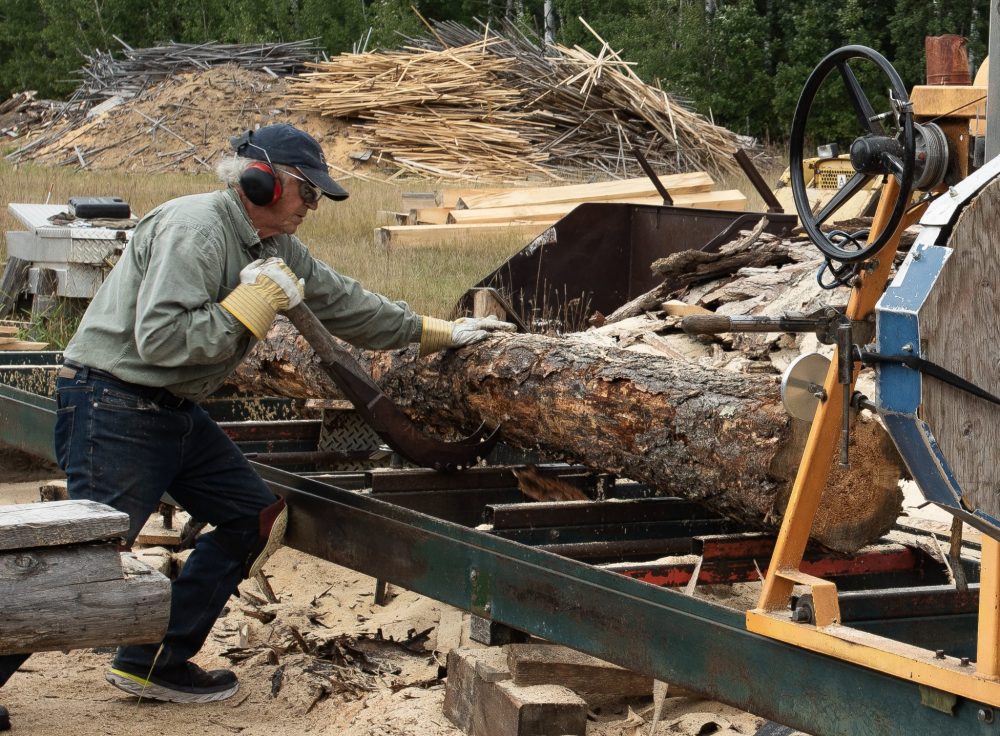
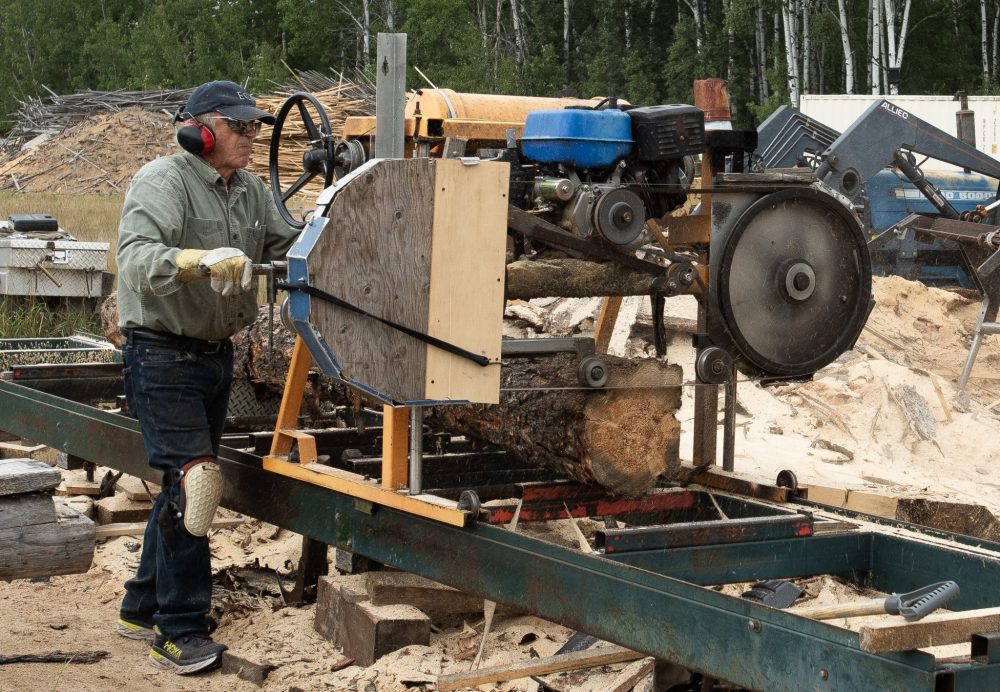
She said her visit to the Reno Ouellet Saw Mill this year harkened back to her father’s saw mill north of Vassar and how it took about five people to cut one log. It took longer for her family’s employees to prepare, handle, and cut logs with a thick circular blade run by a tractor compared to Ouellet’s modern one-man operation.
“That’s what I commented to Reno. I said, ‘The sawdust is so fine compared to when my dad was (working), compared to the circular sawmill’…And it seems to me my dad was putting teeth in the saw every night to repair because it had hit a knot or (was worn down),” she said.
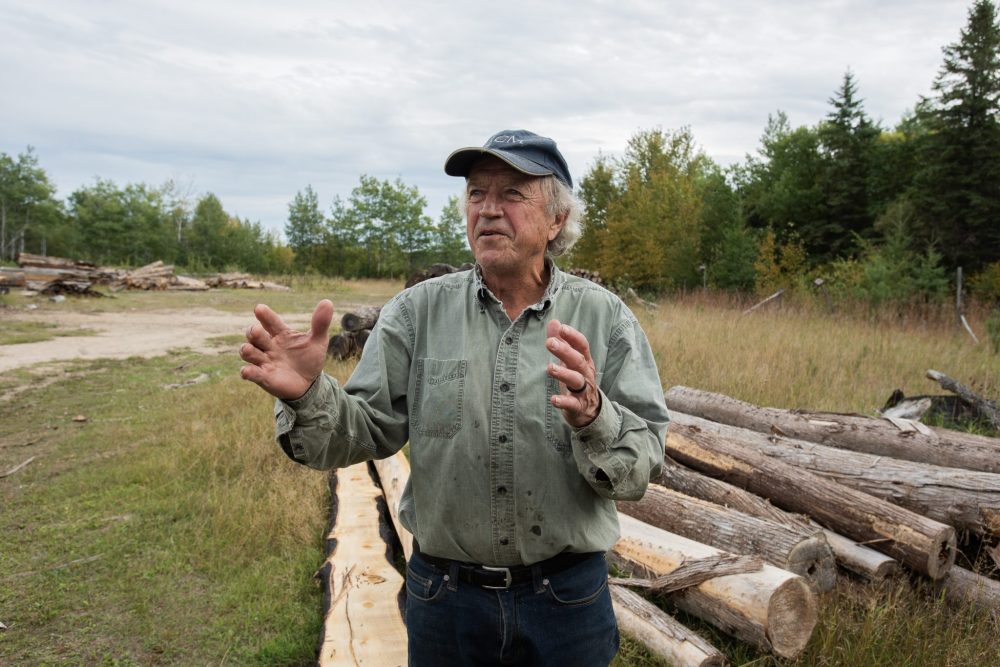
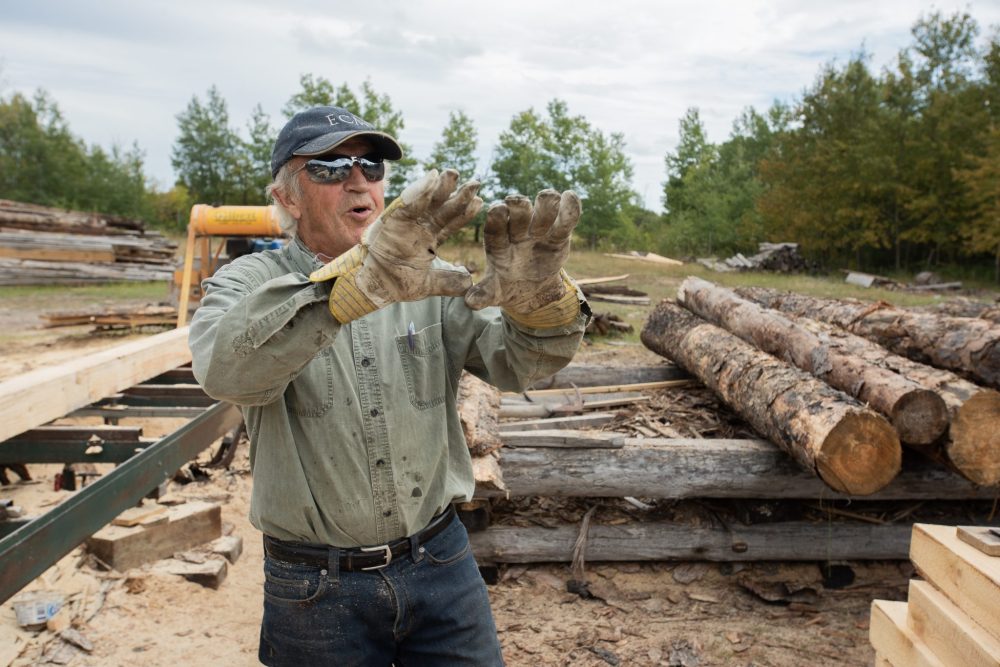
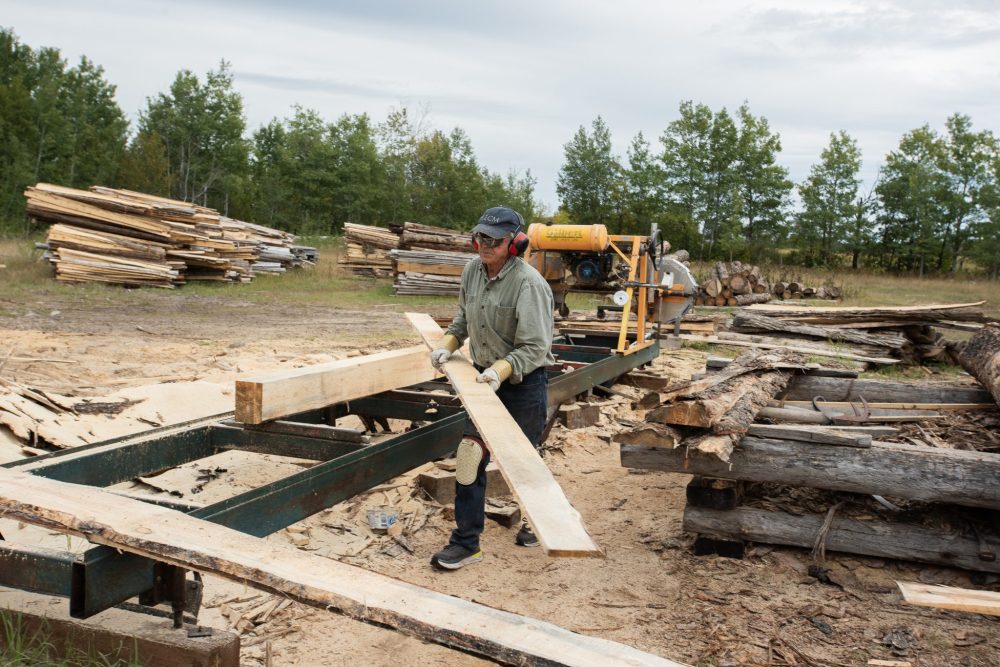
Ouellet, a former teacher and principal, decided to leave education in 1984 and began woodworking. He opened his own outdoor saw mill in 2006. The 79-year-old said he is passionate about his new career as it allows him to be outdoors and he gets satisfaction in taking a log and sawing it into a beam or lumber.
“And sometimes it’ll start raining and I keep working anyways because I enjoy it,” he said with a grin.
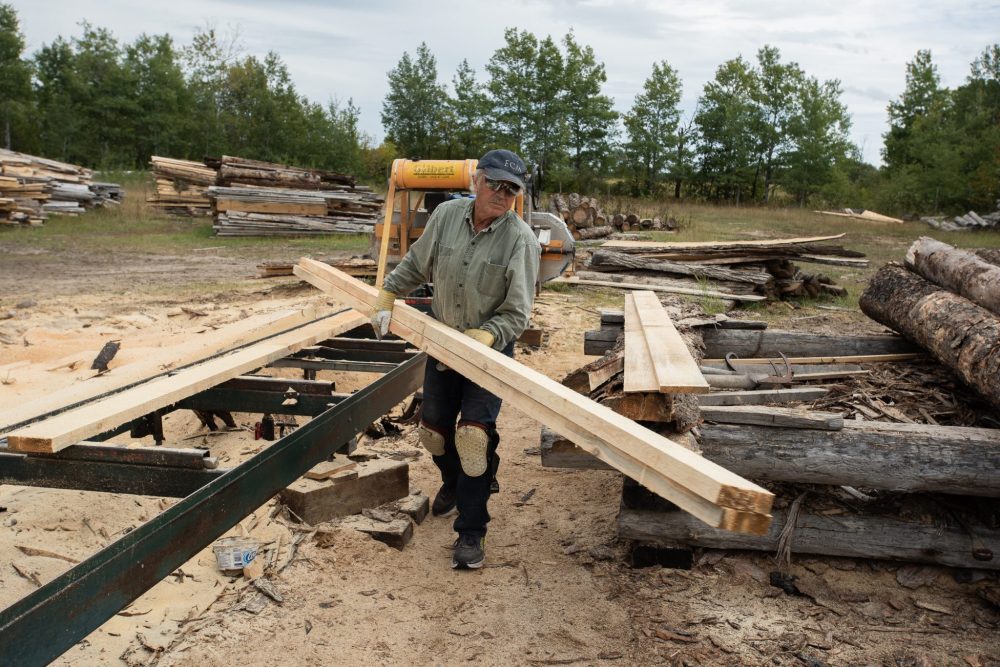
Ouellet works year-round loading logs of Jack pine, for example, onto his saw, cutting the bark off, and then rolling the log to make different sizes of lumber for fencing, construction, and furniture.
“I think you can start with practically a block of wood and whatever your imagination can produce, that’s your only limit,” said Ouellet.
Ouellet showed the group lumber called denim pine, a wood that is discoloured by a fungus which creates a blue stain that is highly prized in Japan. Culleton said she wouldn’t mind having furniture made from it.
“The denim pine, I had never seen it or heard of it before. Very interesting,” she said.
Ouellet planted all the spruce trees on his 160-acre lot and said he would never cut the trees down or sell his land to a farmer who will bulldoze everything. The Quebecer said it is important for people to protect forests.
“I think we’ll only have the environment that we can manage to protect,” he said. “Because we have the ability to destroy everything, but we also have the ability to take measures to keep it, to use it, but keep it in survival mode…Even if I’m gone, just the thought of (losing it), you know, I think we need to take decisions to protect the forest and the wood.”
While Culleton’s favourite tour was the peat moss plant, Bernard loved the Goods in the Woods tour, a foraging tour where she learned how to grow mushrooms on a log, what mushrooms were safe to eat, and where the group picked forest berries, among other activities.
She shared that Austman showed her a quicker way of planting the 100 seedlings she bought from the RM, and she learned that trees go dormant in mid-July in preparation for winter.
“Don’t assume that you know everything about what you’re going to see (on the tours) and have an open mind because I’ve learned something at every single tour that I’ve been at. I thought I knew a lot and I didn’t,” said Bernard with a laugh.
Bernard would like the Goods from the Woods tour to come back next year when Austman meets with Piney council to discuss 2027’s excursions. For himself, Austman would like to have a tour next year learning about boreal forest wildlife, such as timber wolves and bears. He’d also like to bring in biologists who manage the wildlife in a boreal forest to come and speak.
“If we do that, I’ll have a network of trail cameras to show the diversity of animals roaming around our beautiful, beautiful countryside from lynx to fox to coyote and much more. We hope to create some interest in that one,” he said.
Coun. Mark Bernard is the council representative on the tours and he has been on every trip. The excursion that stand out in his mind is the FireSmart tour, but he also found value in the Goods in the Woods and forest bathing tours. During one of the tours, he learned that female ticks have a necklace and male ticks have a white rose on their backs. The females feed heavily on blood to produce eggs; the males rarely feed.
“Bob brings so much wisdom, and we’re lucky to have him and that’s why we support the education…There’s not many avenues to learn this type of tree, forestry, FireSmart, understanding the ticks around us, male and female – all those things – you can’t get that anywhere. So, we just wish that more people would participate. We don’t want to lose this.”
Mark said council would like to have another FireSmart tour next year and another tour to understand the forests in Piney. The RM is 75 percent forested Crown land and 25 percent municipal land.
The last tour of the year is in October and will visit West Fraser Mill in Barwick, Ont., an oriented strand board (chipboard) plant. The factory uses poplar trees from the Southeast to make its products, which are used for construction. Participants need a passport as the tour will go through U.S. customs on the way to the plant.