What’s bugging you?
Advertisement
Hey there, time traveller!
This article was published 23/02/2023 (1197 days ago), so information in it may no longer be current.
Most of us generally don’t give insect trends a lot of thought. But what these flying little pests are up to is of great interest to entomologists and producers because what they do can make or break a crop’s success.
Studying insects has been John Gavloski’s passion for decades – from their eating and reproductive patterns to their effect on the environment. A lover of the natural world, the Morden-based entomologist works for Manitoba Agriculture and Resource Development, conducting and monitoring programs for some of the more common insect pests of crops, and provides information on insects, both beneficial and potential pests, to farmers, agronomists and those working in agriculture.
Gavloski also does numerous presentations and information updates for agronomists and farmers and co-produces a weekly Manitoba Crop Pest Update during the spring and summer. He has worked for Manitoba Agriculture since 1997.
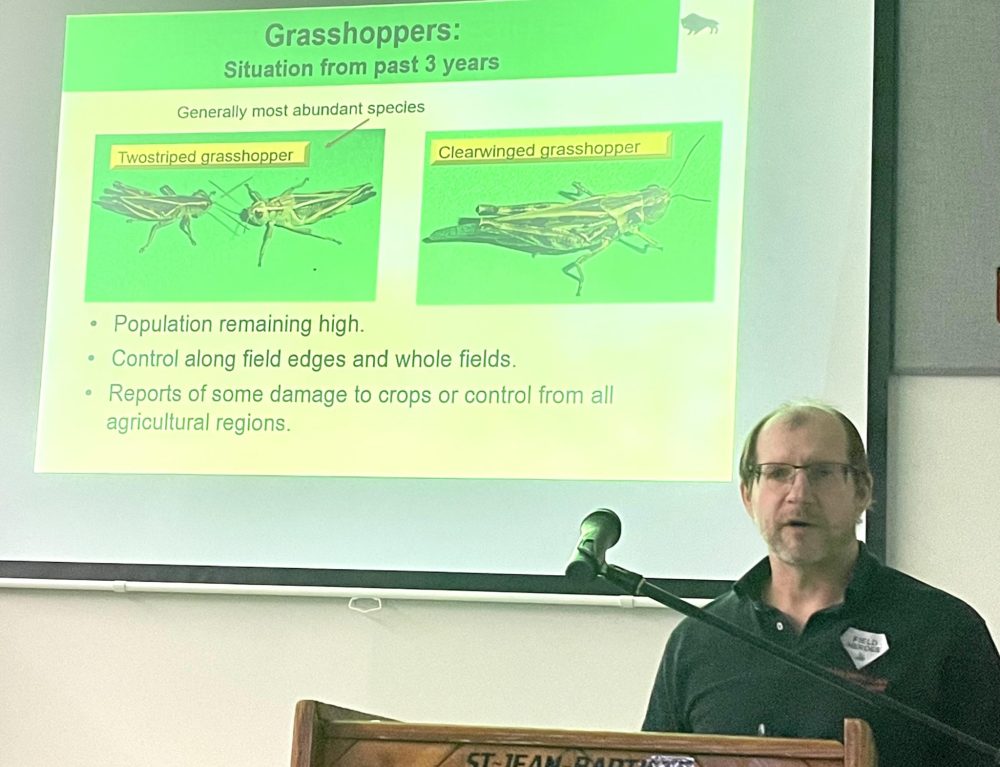
One of his recent presentations at St. Jean Farm Days, addressed insect concerns in Manitoba over the last three years, and new and altered insecticide uses.
In his discussion, Gavloski focused on the impact of flea beetles, grasshoppers, and other insects on canola crop yields. Careful monitoring, the right insecticide and the timing of the application can save a crop, he says.
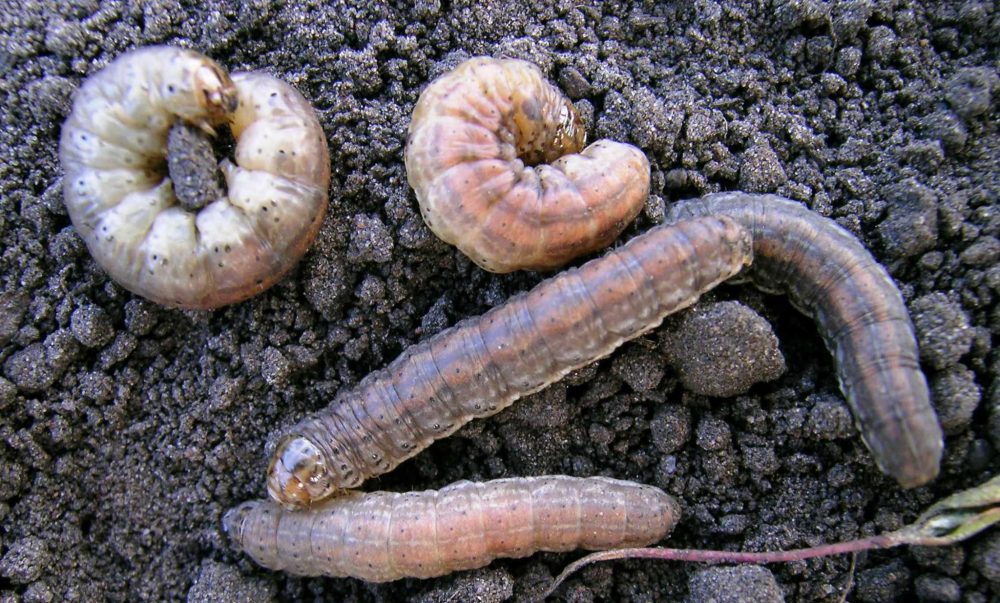
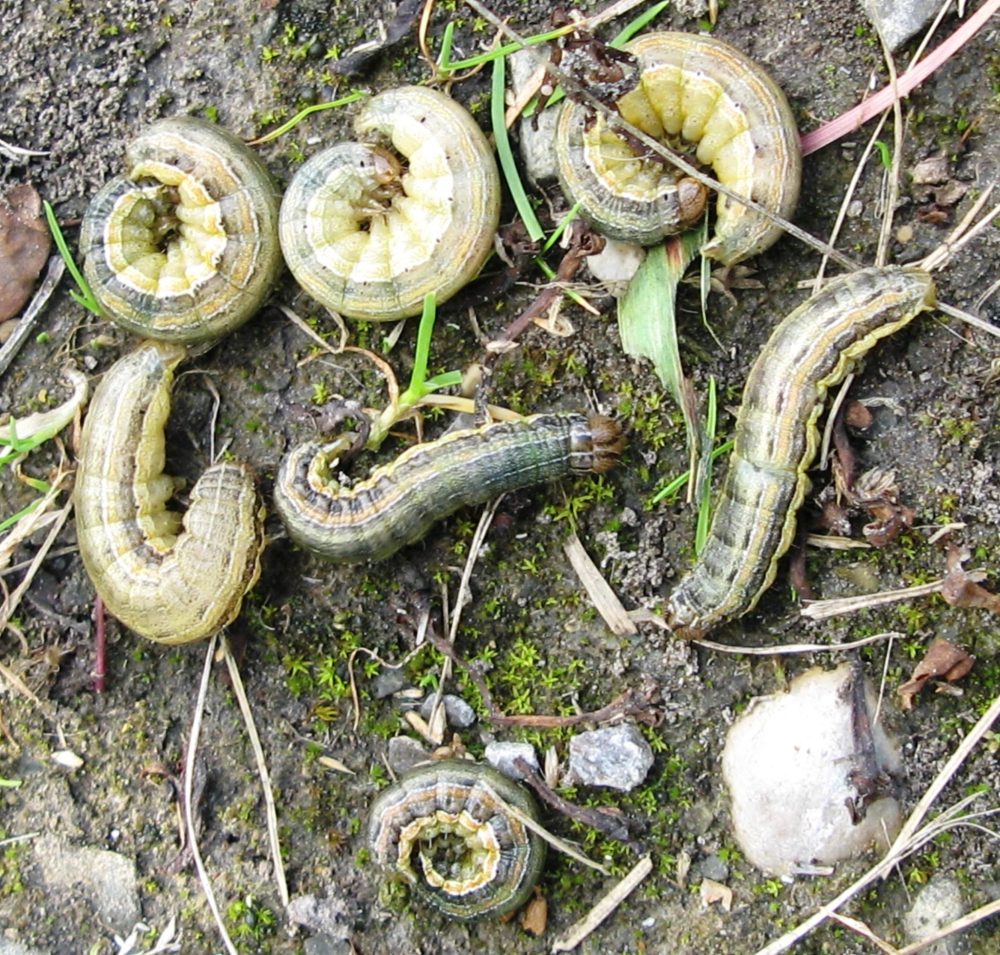
Additional stresses on canola seedlings including frost, dry conditions, crusting, cutworms, cold and dry soil, and flooding are also important to consider, but few things can decimate a crop like insects.
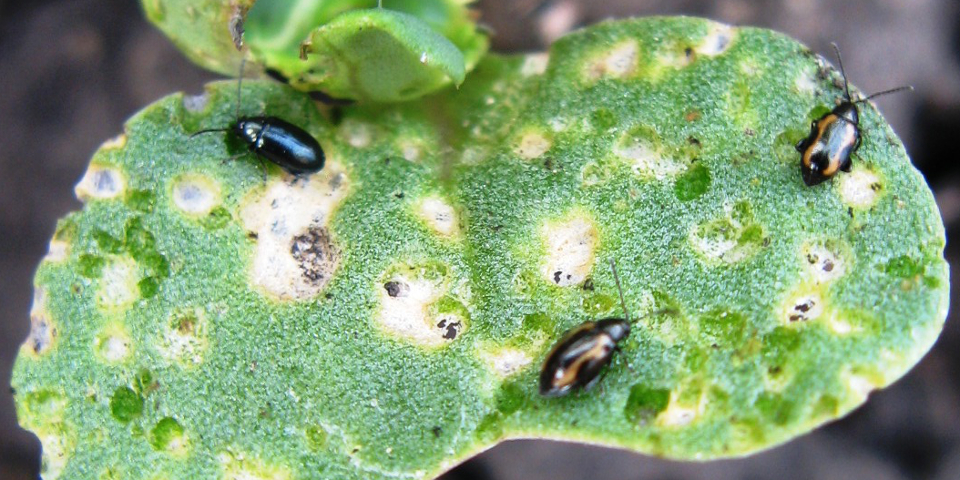
The flea beetle is potentially the most common insect pest of canola crops. They first attack plants in the seedling to early vegetative stages, when they are most vulnerable. The crucifer and striped flea beetle species have the combined potential to cause significant damage that will impact the crop for the rest of the growing season. Therefore, a good understanding of these insects and a strong consideration for management strategies to control them is imperative to a successful canola crop.
The challenge, Gavloski says, is to get the plant to the three- or four-leaf stage in about three or four weeks. If you can do that successfully, there’s a chance you can get by with a minimal foliar application of insecticide.
“Normally when you get to that stage, the canola has enough material to fend for itself. Prior to that, it’s just not strong enough. That’s really your goal. Get that quick germination to support fast growth, but trying to predict the weather is sometimes tough.”
From the day of seeding, the clock is ticking. Seeding deeper buys you some time and maintains moisture.
“The challenge is to get the canola plants to a stage where they can naturally tolerate flea beetle feeding without having incurred significant feeding injury,” Gavloski says. “If you can do that successfully in three or four weeks, there’s a chance you can get by with minimal spray. Some years that just isn’t possible because of weather conditions or other factors.”
Slow emergence and early season growth, he says, is what makes canola more vulnerable to flea beetles. “The quicker they grow, the stronger they are.”
Once you get to the point where a quarter of that seedling material has been destroyed, that’s the point when you want to consider an insecticide. But also factor in the weather. Flea beetles are the most aggressive under hot, dry, calm conditions. So, if it’s cool for a few days, the feeding won’t be as aggressive. “Once you get the calm dry weather, they can devastate a field quite quickly, so stay on top of it.”
Sometimes you can get away with just treating the edges of your field. “Again, weather is a factor. Warm weather will make them fly. It’s about knowing when to spray. A lot of people wonder if we need to hit them, or will they get killed just by feeding on the plant material. Sometimes you have a greater kill when they feed on the plants, but resistance is something you also need to watch for.
“Stresses that slow canola growth in seedling stage put at an increased risk of needing insecticides, so use them efficiently. Sometimes just edge treatment is enough.”
Weather is always a factor, so another thing to consider before you spray is the weather forecast for coming days. “That too can affect the intensity of flea beetle feeding, growth of seedlings, and performance of insecticides. Warm weather will make them fly.”
In terms of pesticides, is contact more effective than ingestion?
“Topical treatment of flea beetles with deltamethrin or different concentrations of Spinosad resulted in significantly lower mortality and higher feeding damage than exposure to treated canola cotyledons,” Gavloski says. “Consuming insecticide from the canola plants can result in greater mortality of flea beetles for some insecticides than contact with insecticides.”
Can a flea beetle become resistant to pesticides? A study being conducted through the University of Alberta assessed seed treatments. Flea beetles were tested for resistance to deltamethrin. Results from 2022 do not appear to show any resistance. The plan is to test again in 2023, possibly into 2024.
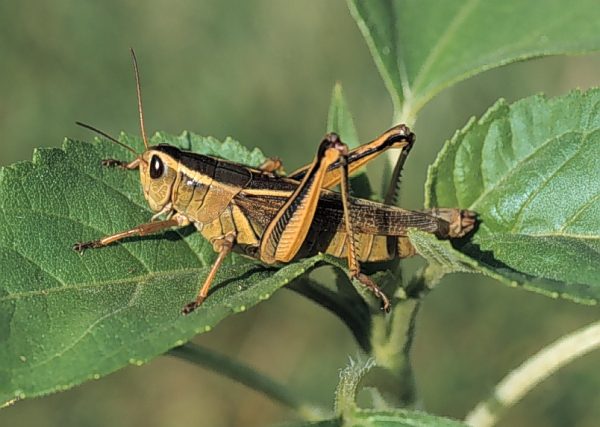
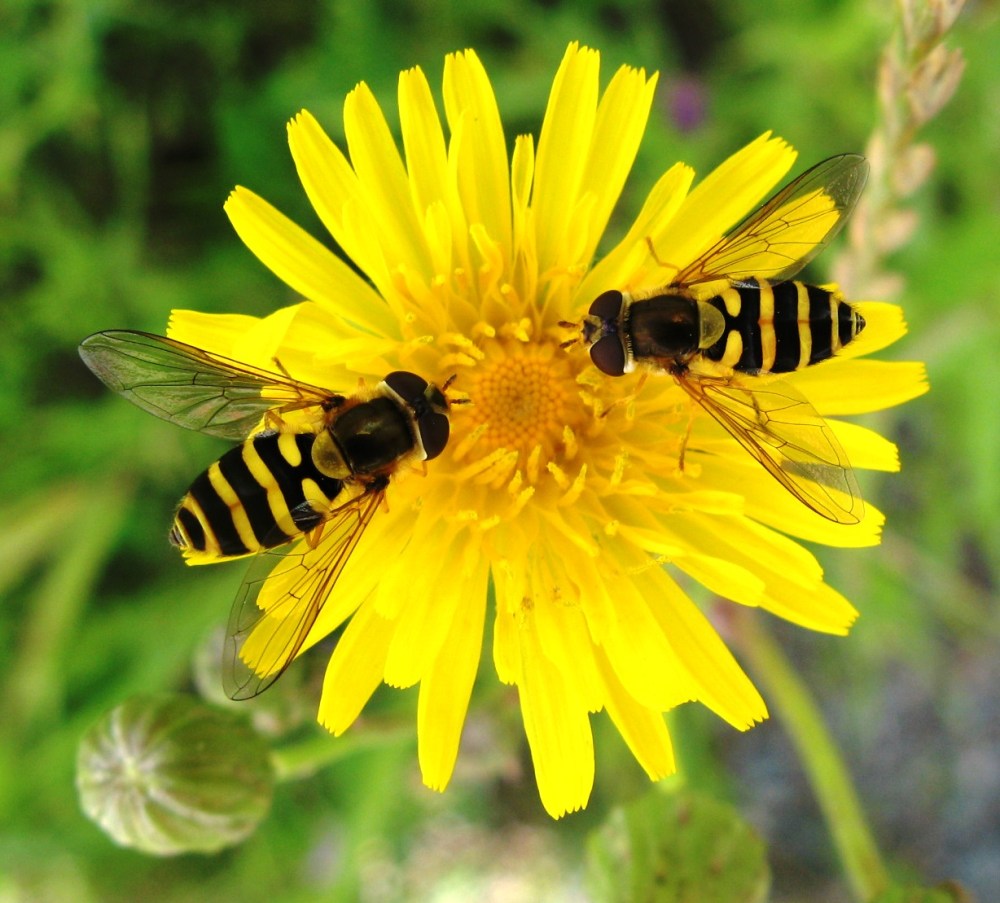
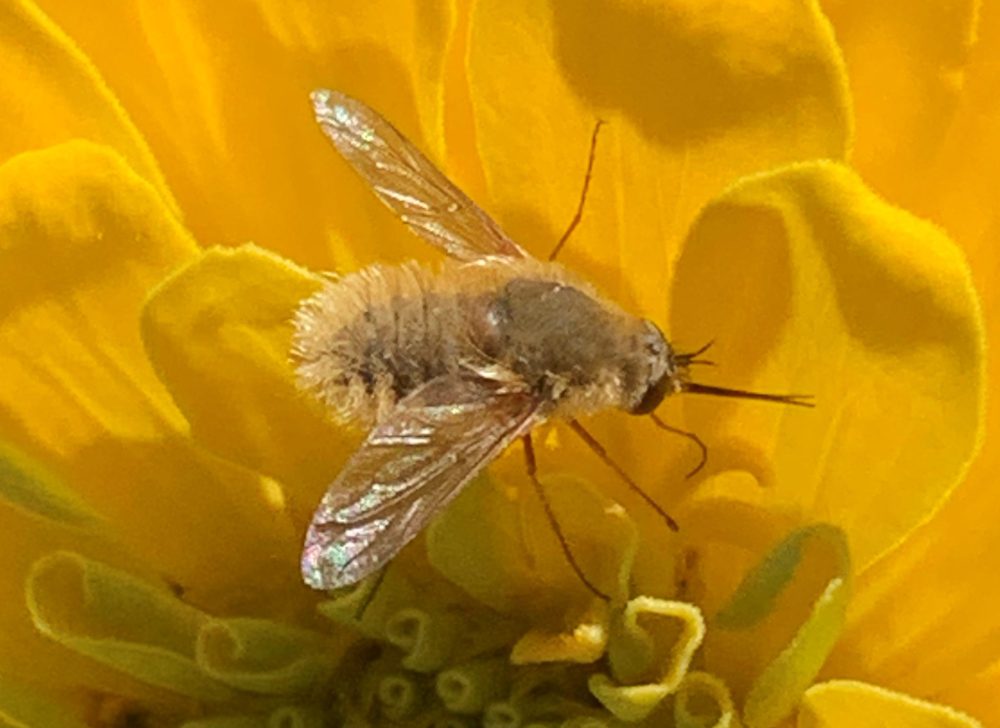
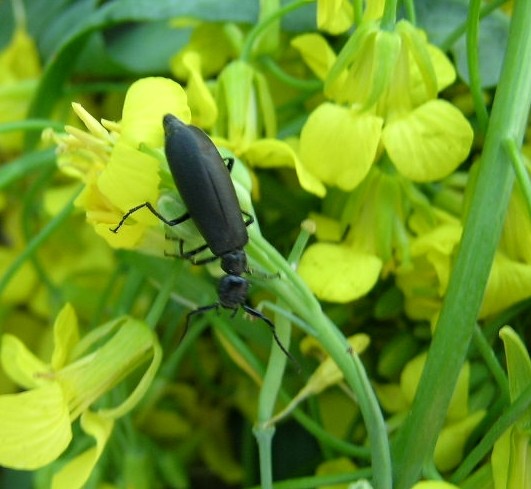
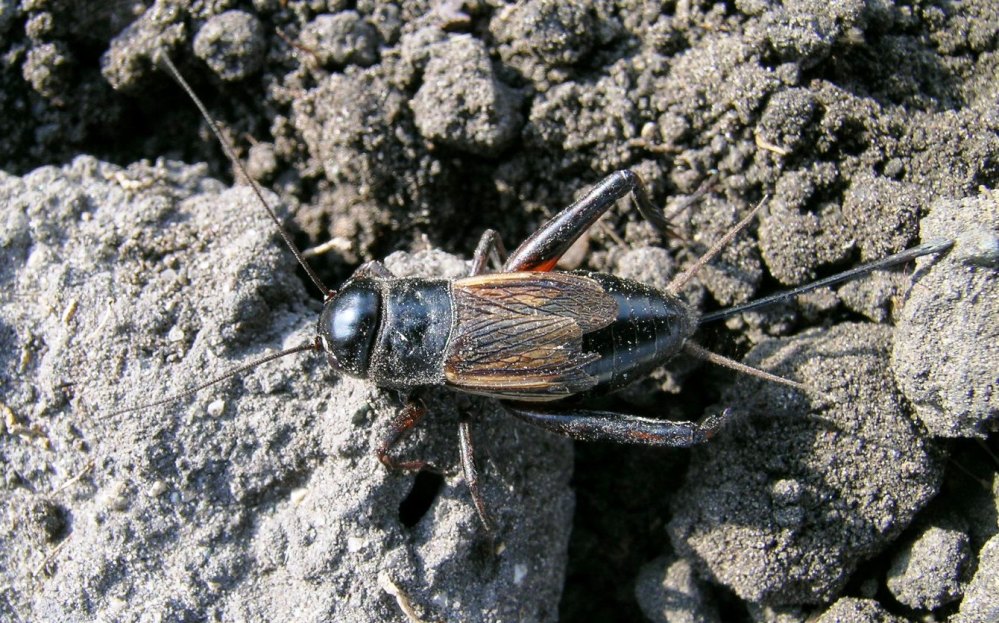
In terms of other threats such as grasshoppers, bee fly larvae, blister beetle larvae, ground bee flies, field crickets, cutworms, army worms, hover flies, and aphids, producers should consider management techniques. such as spraying along field edges, to minimize harm to predators and parasites.