Manitoba farmers worried about uncertainty of CUSMA negotiations as deadline looms
Advertisement
Manitoba farmers are increasingly worried about the uncertainty surrounding whether or not the United States will sign the Canada-United States-Mexico Agreement, (CUSMA), and what impact America’s decision will have on their businesses.
Right now, CUSMA is shielding a lot of Canadian agricultural producers from U.S. President Donald Trump’s tariffs.
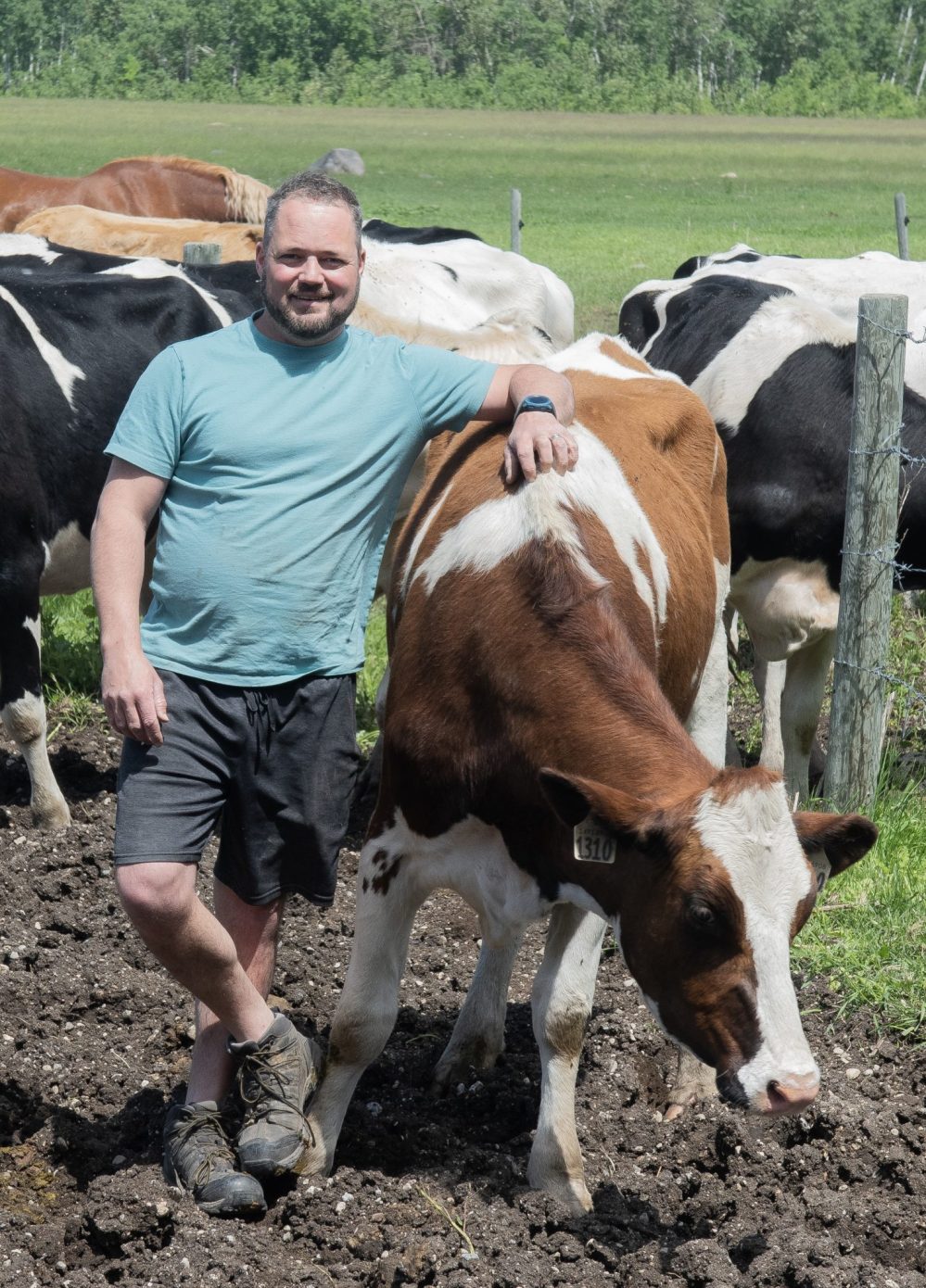
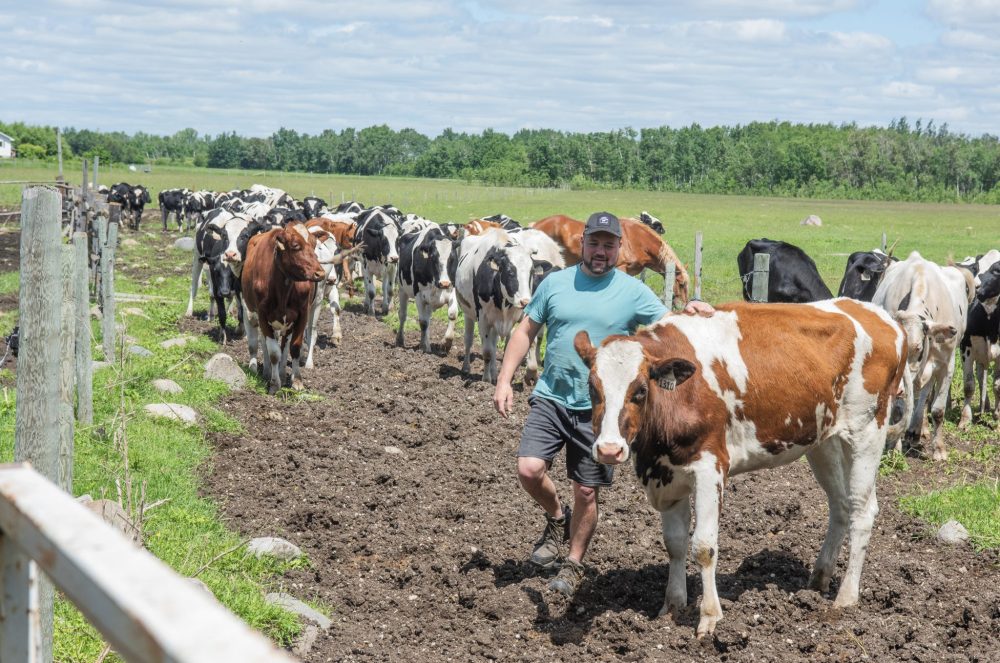
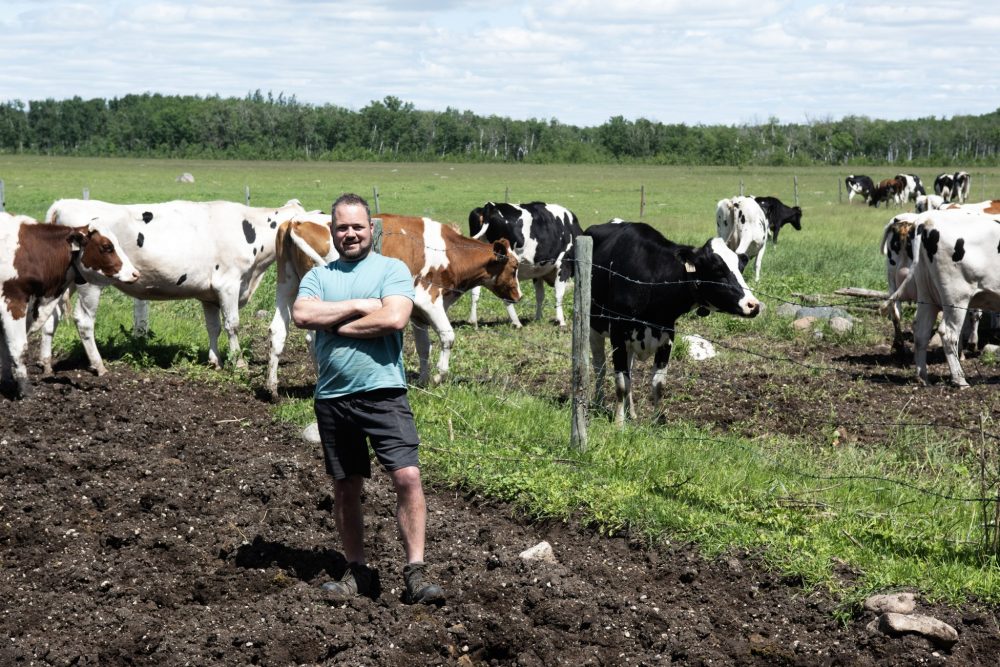
“It seems, you know, CUSMA is not that old. When it was signed, the Americans were saying this is the best trade deal ever and it has solved all of the problems. And now, a few short years later, they seem to think that it’s the worst trade deal ever and it needs to be scrapped,” said Kleefeld dairy farmer Stefan Signer.
CUSMA has tripled the value of North American agriculture and agrifood trade between 2005 and 2023, totaling about $400 billion CAD ($285 billion USD), according to the Canadian Federation of Agriculture, which represents agricultural producers and agribusinesses across the nation. Manitoba Dairy Farmers, Manitoba Beef Producers, and Manitoba Pork are members.
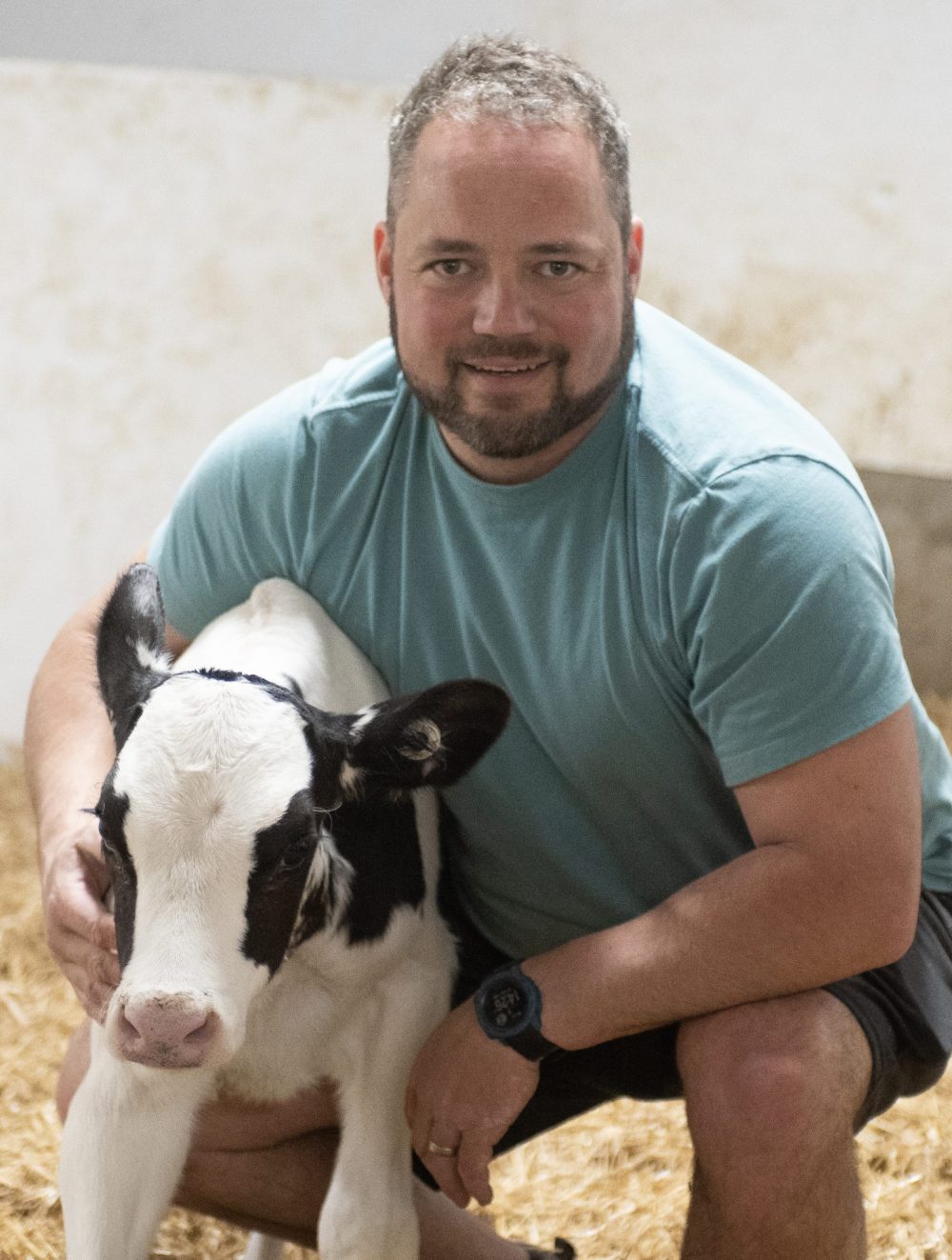
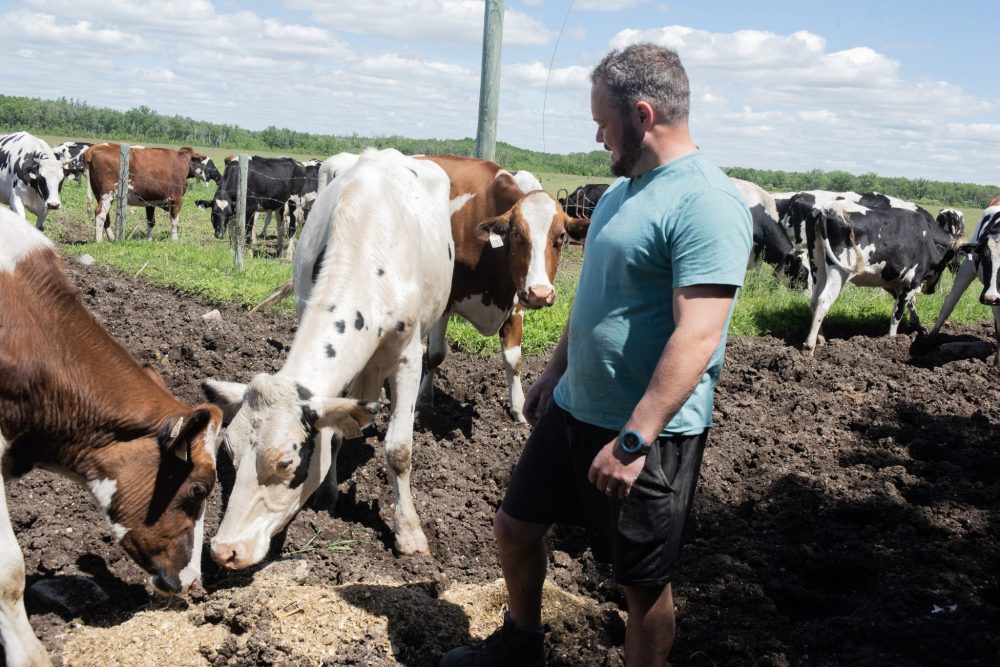
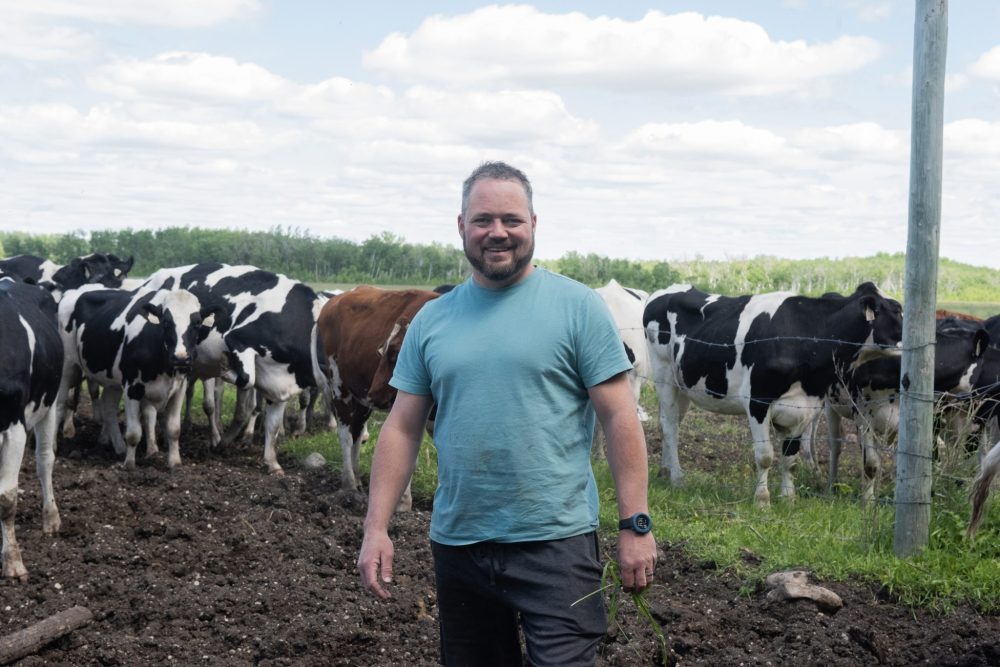
Since moving with his family from Switzerland in 1990, Signer’s farm has grown into a dairy herd of about 60 cows.
He said should the Americans pull out of the trade agreement it would bring a lot of uncertainty as to what happens next for the Canadian dairy industry, a belief that was shared by the Manitoba Beef Producers and Manitoba Pork.
The uncertainty surrounding CUSMA is affecting the way Manitoba farmers are currently making decisions about whether to invest more money into their businesses.
“We have no idea what the Americans will do, frankly, what they even want,” said Signer.
During his first term, when CUSMA was being renegotiated in 2019, Trump lauded the agreement, but in his second term Trump has blasted the treaty and is threatening to pull the U.S. out if American interests are not met by Canada and Mexico.
As it stands now, the agreement is good until 2036. Canada and Mexico want the agreement extended for 16 more years. If the Americans don’t agree to the extension by July 1, an annual review of the agreement will be held for the next 10 years. If a member decides to leave the agreement, six months notice is required.
Signer said the last CUSMA renegotiation was very damaging as it gave up “a significant portion” of the Canadian dairy market to the U.S. leading to two-and-a-half times more dairy products being imported into the country than is exported to the U.S.
“It’s very one-sided. It’s already very heavily skewed in their favor, I would say.”
Canadian dairy contributes $28 billion to Canada’s gross domestic product and Manitoba is responsible for 4.1 percent of Canada’s dairy supply. Canadian dairy exports reached more than $559 million in 2025, but its imports hit just under $2 billion.
“In a time of crisis, we don’t have to think back very many years to the COVID times, would the Americans still be supplying the Canadian grocery stores with milk if suddenly demand got tight? Probably not,” said Signer.
In the renegotiations, Signer would like to see Canada resist Trump’s demands that the country open its dairy market more to the Americans.
He said the current CUSMA agreement not only hurts dairy farmers, but the industries that are tied to dairy such as veterinarians, dairy food producers, truck drivers, animal nutritionists, trades, and others.
The Canadian beef industry is also focused on CUSMA negotiations as it contributes about $34 billion to the Canadian economy every year. Manitoba’s contribution to that GDP is just under $1 billion with the third largest beef herd in Canada, representing 11 percent of the national herd. In 2024, Manitoba exported 52,914 head of live cattle to the U.S., its main buyer, valued at $133 million.
Manitoba Beef Producers CEO Carson Callum said Canada sends more than 70 percent of its beef and live animals to the U.S. every year.
Should the U.S. pull out of CUSMA, it would have a huge impact on the Canadian beef industry. Callum said it wouldn’t collapse the industry, but it would impact producers, especially industrial producers like those in Alberta.
Callum noted that Canada should be careful when negotiating trade deals with other nations. He cited the Canada-Mercosur Free Trade Agreement as being an example. Canada signed the agreement with the trading block consisting of South American countries (Brazil, Argentina, Paraguay, Uraguay, and Bolivia), which led to an unfavourable deal for the country.
Last year, Canada imported $14.3 billion worth of goods from the block while exporting only $5.1 billion to those countries, according to the Government of Canada. Brazil is the highest exporter of beef in the world holding onto just under 30 percent of the global market.
“It’s very one sided,” said Callum, adding the Mercosur deal is not only very unfavourable to the Canadian beef industry, but it could hurt the government’s relationship with the Americans.
All those interviewed cited Asian markets as the new frontier for Canadian agricultural products, which is no surprise as Prime Minister Mark Carney has been on trade missions to Asia since October 2025. Cam Dahl, general manager of Manitoba Pork, said the uncertainty with the Americans has been further incentive for Canada to make trade deals with Asian governments.
Dahl said securing trade with the Americans is the number one file for Manitoba Pork at the moment.
“The (CUSMA) agreement is critically important to the pork industry in Manitoba,” said Dahl. “For Manitoba, the United States is our number two market for pork, Japan is number one. But then when you include the three million live pigs that go into the U.S. every year, it is our number one market for the industry in Manitoba.”
Manitoba sells more than $450 million worth of pork into the U.S. annually with live animals totalling more than $200 million. Dahl said there is incentive from American agricultural producers and representatives to keep CUSMA active.
Should CUSMA fall, Dahl said not only would it be difficult to find markets for Manitoba pork, but it would be impossible to find an alternative market for the live animals as the U.S. is Manitoba’s only buyer.
What Manitoba Beef Producers and Manitoba Pork would like to see is the status quo of open and free trade continue under CUSMA.