United Nations declares 2026 the Year of the Woman Farmer
Advertisement
The United Nations has declared this year as the International Year of the Woman Farmer. The year spotlights the essential roles women play across agrifood systems, from production to trade, while often going unrecognized.
“Women farmers are central to food security, nutrition, and economic resilience,” writes the Food and Agricultural Organization of the UN.
Further, the UN reports that if women had the same access to productive resources as men, farm yields around the world could increase by 20 to 30 percent, feeding an additional 100 to 150 million people.
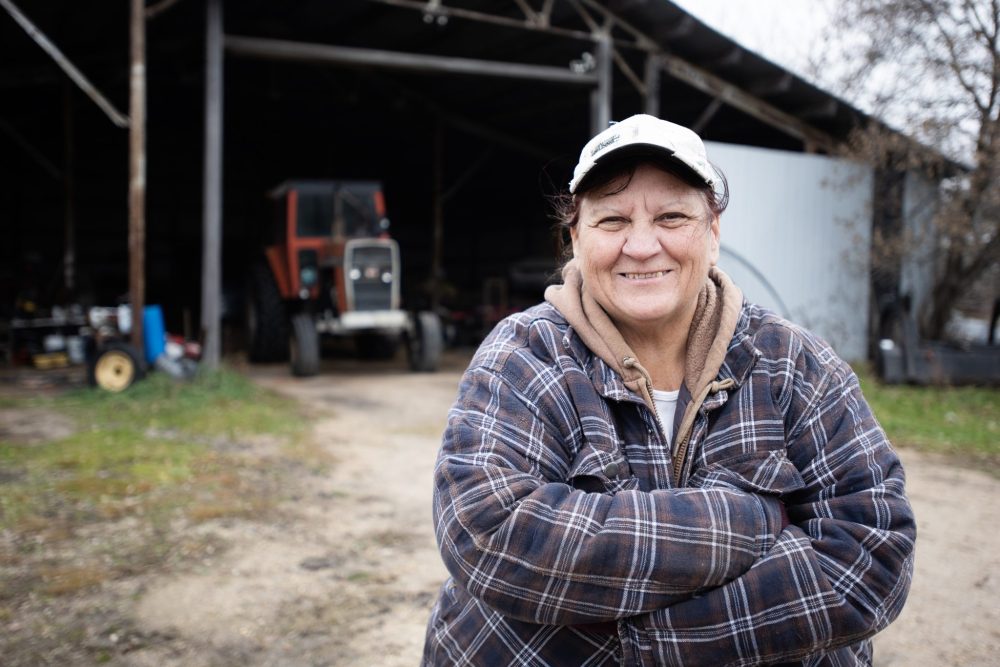
“There is a significant need for recognizing the contribution that women make to the sector. You know, the perception usually is that the farmer is a man, and behind the man there is always a woman and that work is not recognized. We are not even counted properly in the statistics. So, when I saw the news that this was going to be the year of the women farmers, I thought it was great,” said Laura Lazo, chair of the Manitoba Women in Food and Agriculture, a registered non-profit based in the province that advocates for women who work in the agriculture and food processing industries.
Lazo said female farmers have been traditionally under-represented in the agricultural sector across Canada for years. Even if they are doing the finances for the farm, they are still at the same time taking care of the children and the household to support the male farmer.
She called the lack of women in farming “a missed economic opportunity” and that if there was income parity between genders in the agricultural sector the GDP would increase by $5 billion. If there was gender parity as well, then that number would increase even more.
In a 2022 report, Statistics Canada found an increase in female farmers for the first time in 30 years since 1991.
In 2021, there were 79,795 female farm operators in Canada, up from 77,970 in 2016, a 2.3 percent increase. By comparison, male farm operator numbers dropped by 5.8 percent over the same period. Statistics Canada reports in 2021, 30.4 percent of Canada’s farm operators were female, up from 28.7 percent in 2016.
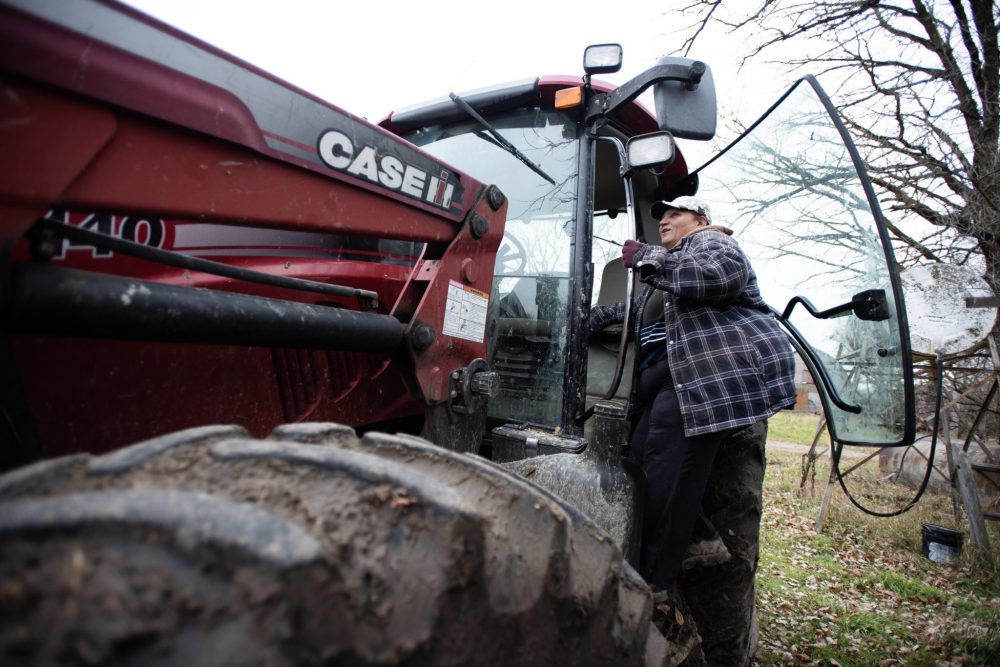
Overall, Statistics Canada stated that the number of female farmers aged 55 and older has steadily increased while male numbers have declined not only for the same age bracket, but for middle age and younger.
Lazo said that women are taking over the farms from their husbands either because the husband has died or through divorce. She also said young women are taking a more active role on the farm in terms of physical labour and are working side-by-side with their husbands and that Millennials and Gen Z are more conscious about gender parity.
Lazo also reported that women typically farm smaller operations and niche farms, such as flowers or sheep/goat operations. She also said women tend to farm livestock more than crops, something confirmed by Statistics Canada.
Lazo said for women thinking of taking over the family farm they need to speak up and make their intentions known. “Say, I have this right, I know, I have the knowledge, I have the skills, or I want to develop my role in this farm, and I want to be given the opportunity to demonstrate and carry out my role,” she said.
Statistics also showed that in 2021 there were 16,590 female farm operators managing one-operator farms in Canada, an increase of 26.5 percent from 2016. That’s about one in seven one-operator farms in Canada were managed by women in 2021, up from 11.5 percent in 2016. Meanwhile, the number of male farmers managing one-operator farms decreased by 5.9 percent over the same period.
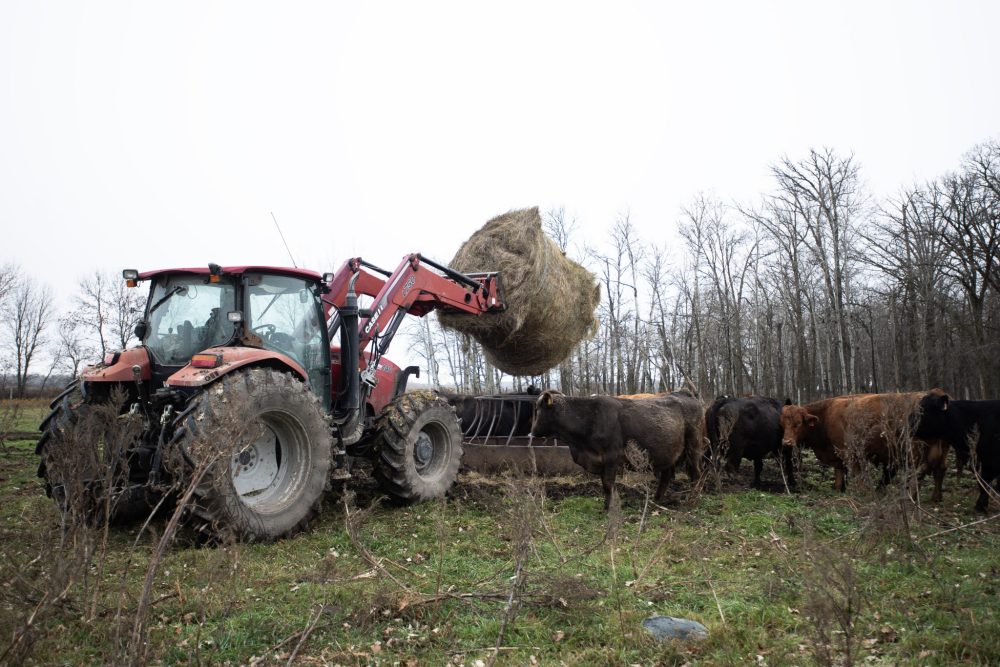
In Manitoba, between 2016 and 2021, female operator numbers increased by 365 to 5,150 female farmers. The number of female beef farmers increased to 31 percent in Canada in 2021.
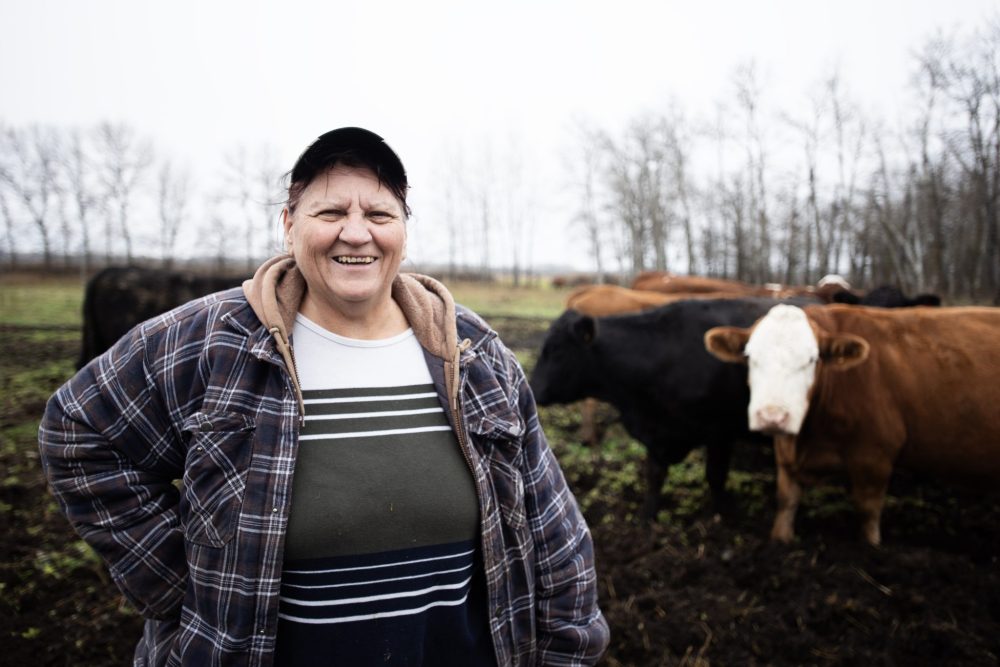
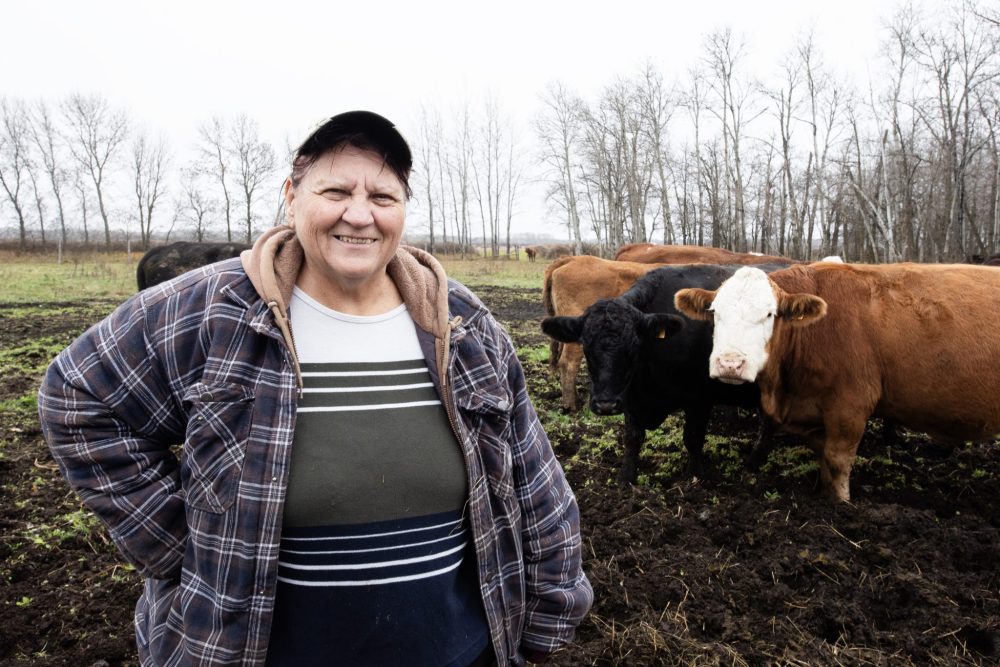
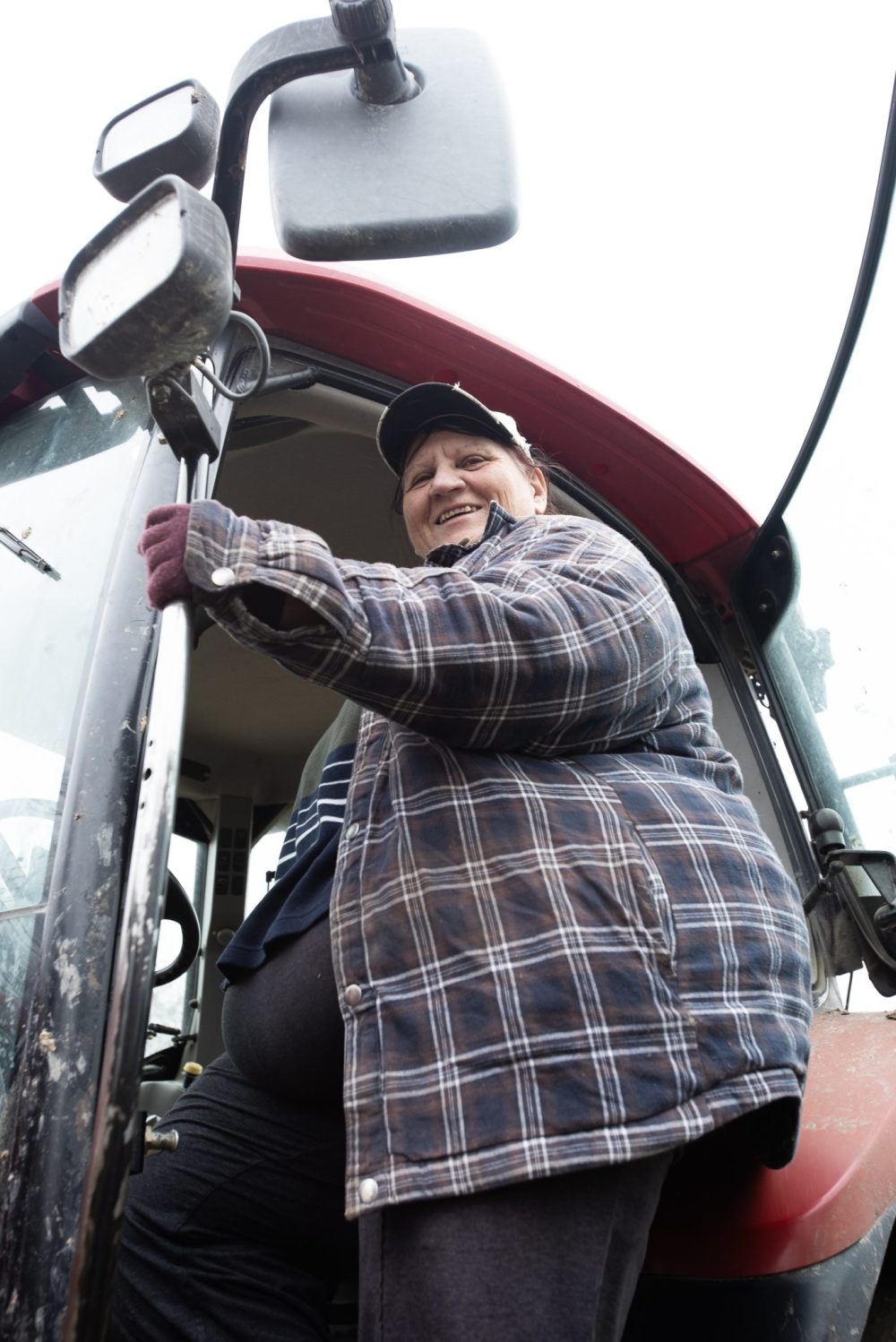
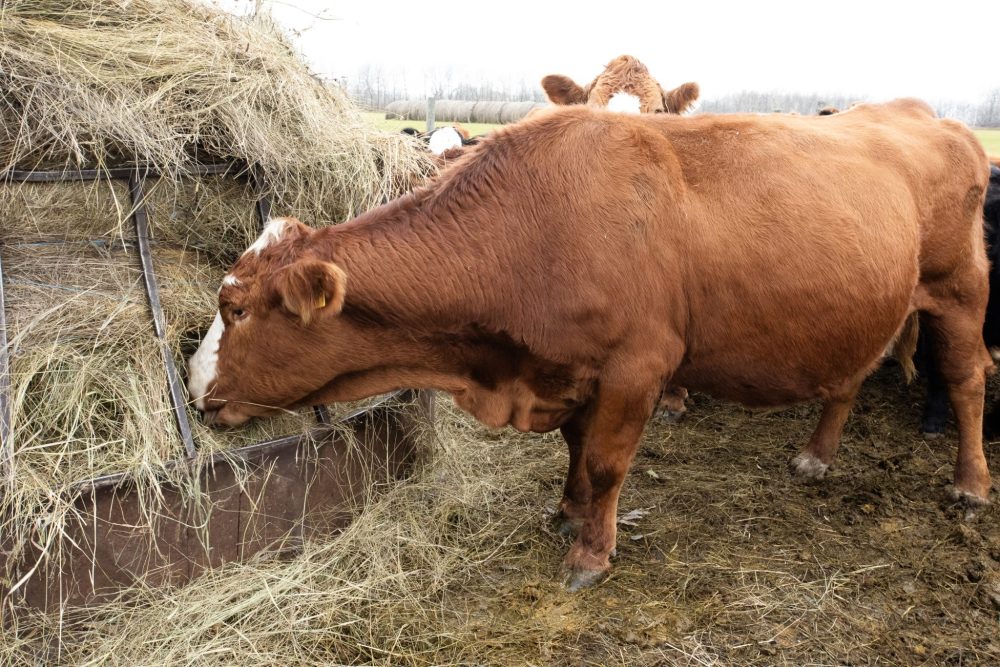
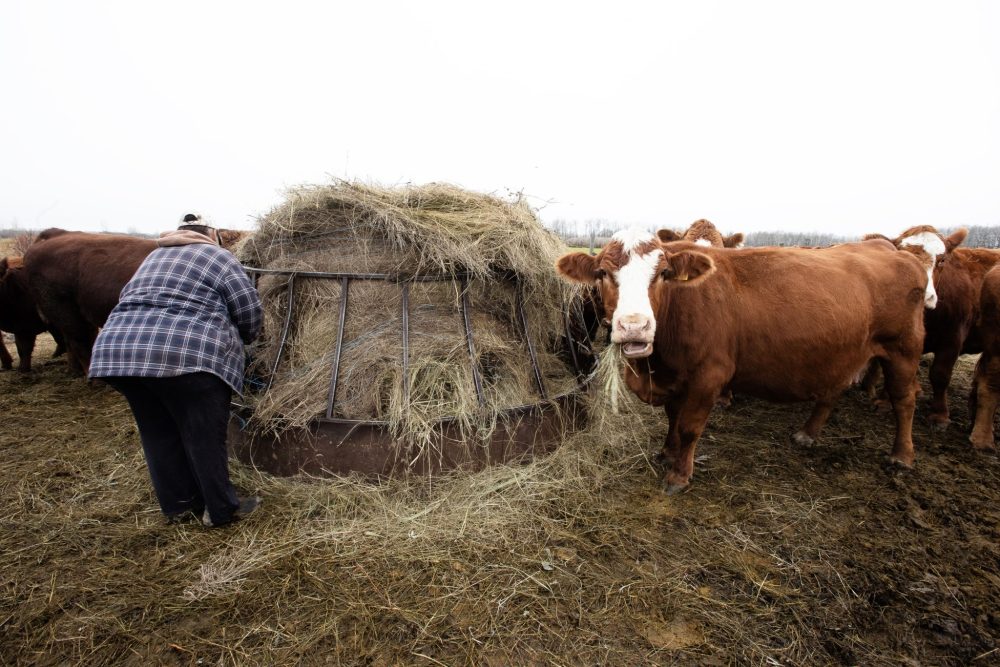
One of these female farmers who is running a beef farm by herself is Judy Antonowich, who has been farming her entire life. Growing up as one of five girls on her family’s 113-year-old farm near Gardenton in the RM of Stuartburn, meant she was always helping her family raise cattle.
What started as her Ukrainian grandfather’s sheep farm, changed to a small dairy that sold cream to Vita’s creamery to its current incarnation as a full beef operation in 1966.
In 1996, Antonowich told her parents she wanted the farm and her father gave her her grandfather’s quarter plus 80 acres as collateral to get a loan from the bank, which she used to buy 85 cows as her father’s were too old.
Antonowhich said today it’s harder for women to get into farming if they haven’t inherited the family farm as prices for land have become extremely expensive.
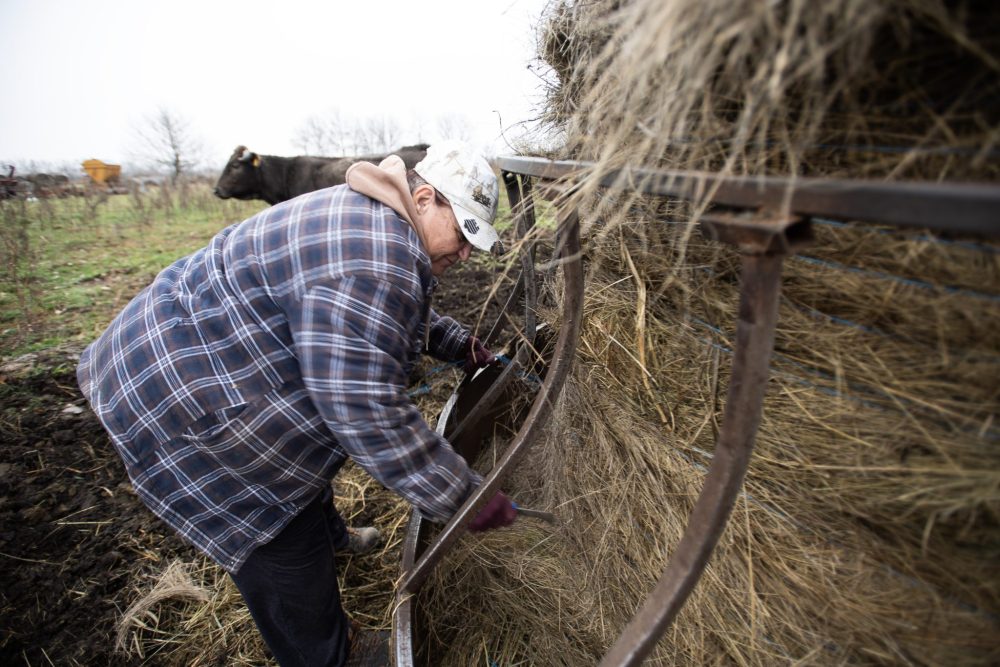
“Now, that’s the problem with farming is the cost of land and the machinery,” she said, noting equipment can range from thousands of dollars to hundreds of thousands. Lazo concurred saying the number of family farms is slowly decreasing while commercial and corporate farms are increasing.
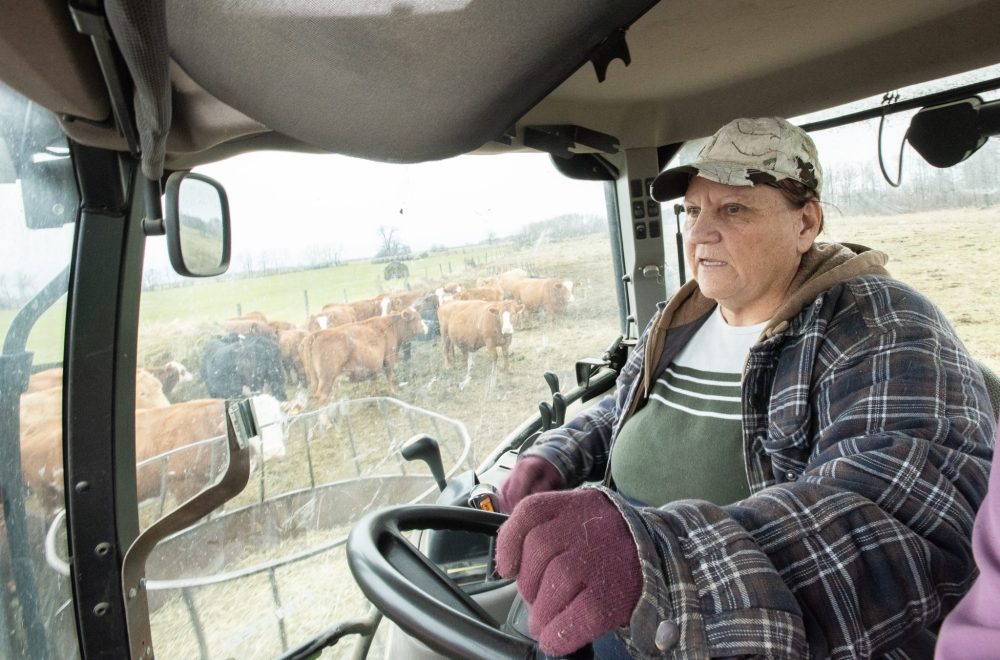
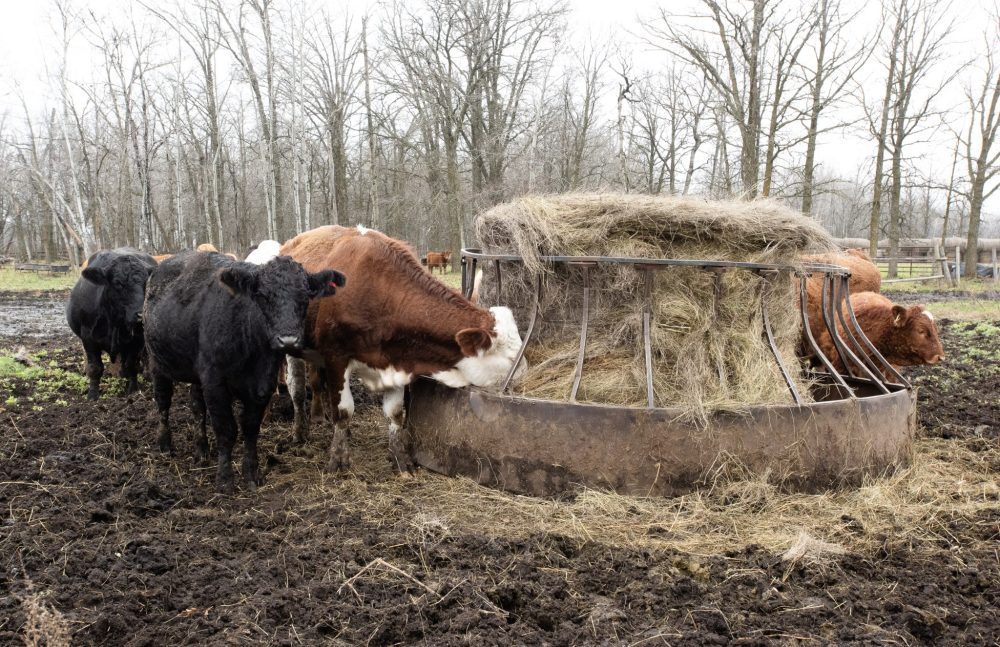
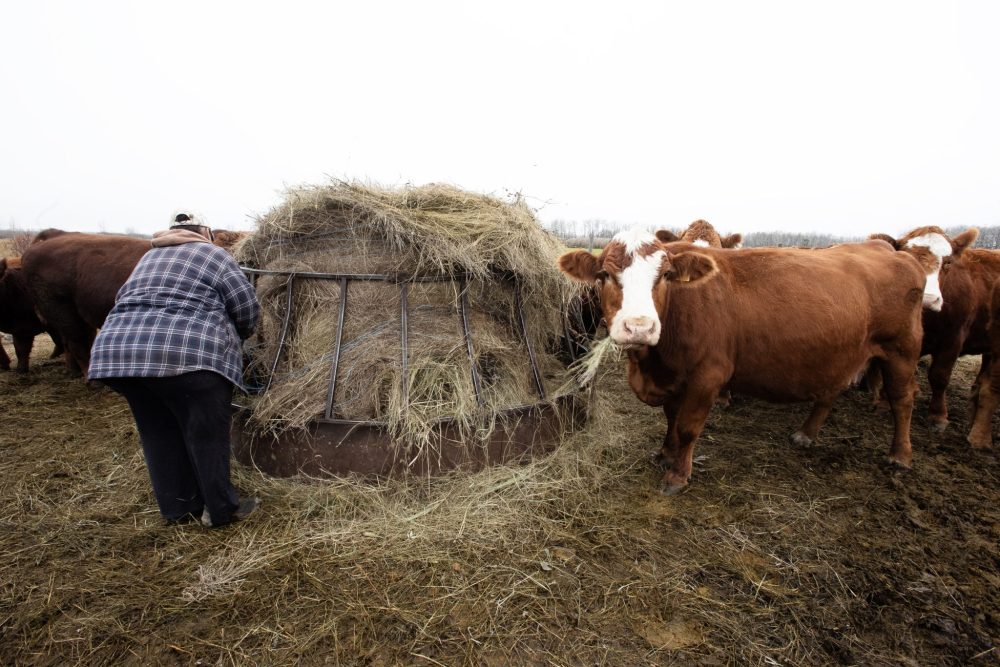
Antonowich currently raises her 80 cow/calf operation on more than 800 acres that she owns and 160 acres she rents. Since the 65-year-old took over the farm 30 years ago, she has been largely working her herds by herself or with help from her daughter Jamie. She has also had some help from other farmers over the years through a barter system and recently in the past several years her son-in-law, Adam Penner, has been taking on the more difficult tasks as Antonowich deals with aging and a knee injury. Antonowich said it’s not uncommon for farmers to get hurt and disregard the injury and continue farming like she has done.
“Judy’s a tough old broad. She can throw down still. We still move cattle,” said Penner, adding later, “I knew a lot when I started hanging out more on the farm and helping out more. Judy’s taught me so much more. My dad has a background in feedlot and that, and I learned a lot working (and) growing up on the feedlot, but Judy knows all the old tricks, stuff they don’t talk (about) or teach anymore, right?”
Antonowich gained valuable knowledge not only from working on her family’s farm, but by working in farm adjacent fields. She learned about diseases and veterinary skills, such as how to perform a cesarian on cows and castrate bulls, by working for and being friends with veterinarians.
She also worked on a pig farm for five years where she learned proper farm protocols to prevent the spread of disease. She also worked at an auction house which helped her learn how an auction works and what to look for when buying animals.
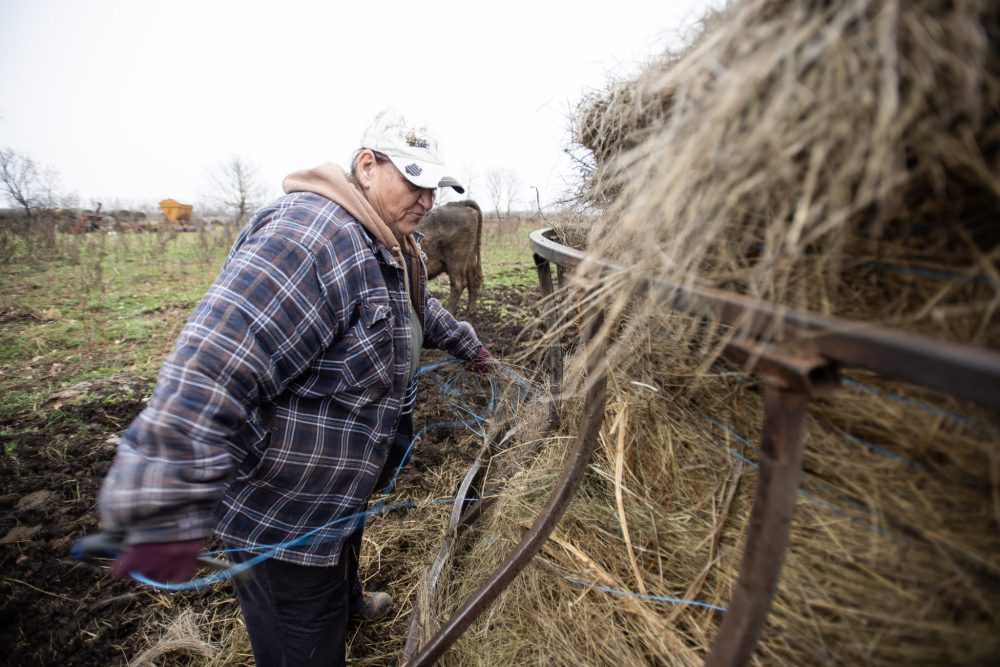
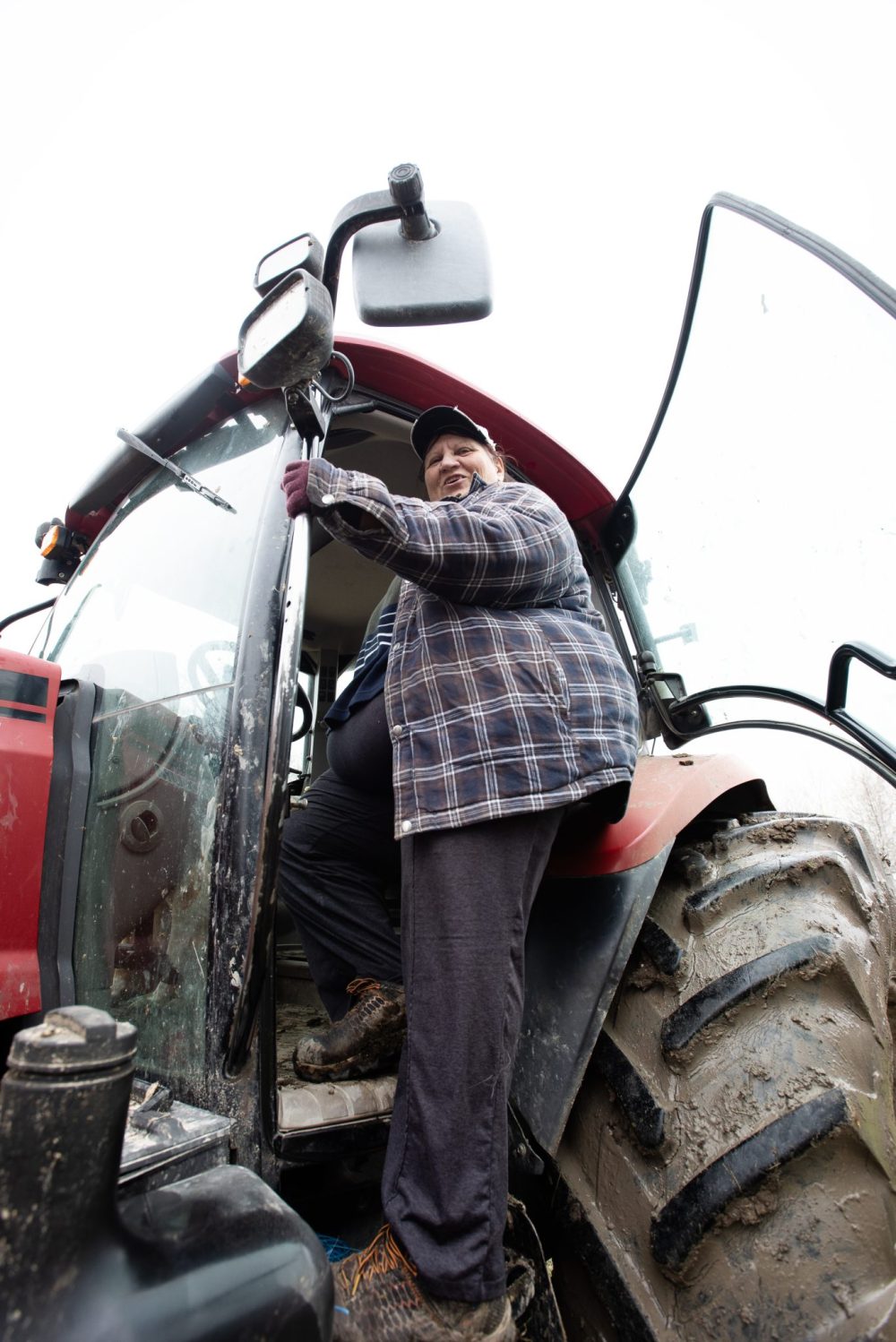
By working on the farm, she had to learn how her tractors and other equipment were built in order to repair them when they broke down. She said she’s had discussions with her female friends, most of whom also farm alone, where there is still a prejudice against women in farming, especially when dealing with retailers, something Lazo also confirmed.
“(They think) she’s a woman, what does she know? Judy gets a lot of that still. And I’m standing right there with her, like, we’ll go to the parts store and they’ll turn to me, and they’ll start asking me about her stuff, and I just look at her and (point to her and say), ‘She’s the boss, you talk to her,’” said Penner.
Both Antonowich and Penner said being a female farmer in a male dominated industry is improving. Penner noted there are more young farming families now where the women are more involved in farm labour, compared to traditionally when they were doing more administrative tasks. Antonowich said female farmers are better bookkeepers and multitaskers, which is an advantage she has over her male counterparts.
“It’s very rare to find a woman like Judy who has farmed independently by herself, basically,” said Penner, later adding, “Judy, she’s strong, but she’s had to be, and I don’t know where that comes from, that kind of internal strength…”
But as anyone in farming knows, there are ups and downs. When there was an outbreak of bovine spongiform encephalopathy (BSE), commonly called mad cow disease, in the province in 2003, Antonowich had to look for work outside the farm to pay the bills.
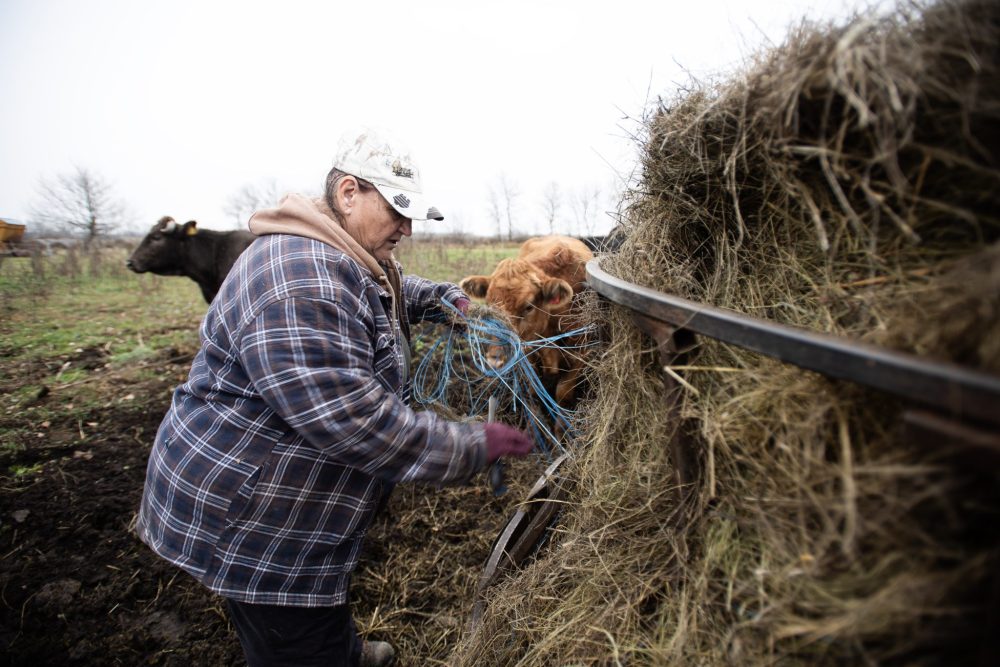
She said people were selling their cows for as little as $20 in the beginning to $200 in the third or fourth year during BSE. She said it took 10 years before farmers saw a profit from the sale of their cattle.
But with every down there is an up and recently with the lack of beef farms due to beef farmers switching to crops, the price of beef has increased. Beef prices rose 8.7 percent in September compared with a year earlier and have climbed 55.5 percent over the past five years, according to Statistics Canada.
“A bull went – the (auction) guys were telling me a couple of weeks ago – for over $5,000 and that’s live weight. And cows are going for over $2 a pound live weight. A big cow is 1,500 pounds, so, you’re getting close to $3,000. That’s a really good price. We were lucky if we would get $1,100 or $1,200 before – we’re doubling (now),” said Antonowich.
From hand-cranked motors in tractors to computer operated equipment and the Internet, Antonowich said technology is the biggest change she has seen from when she was a child working on the farm. Statistics Canada reported that more women embraced advances in technology on the family farm than their male counterparts.
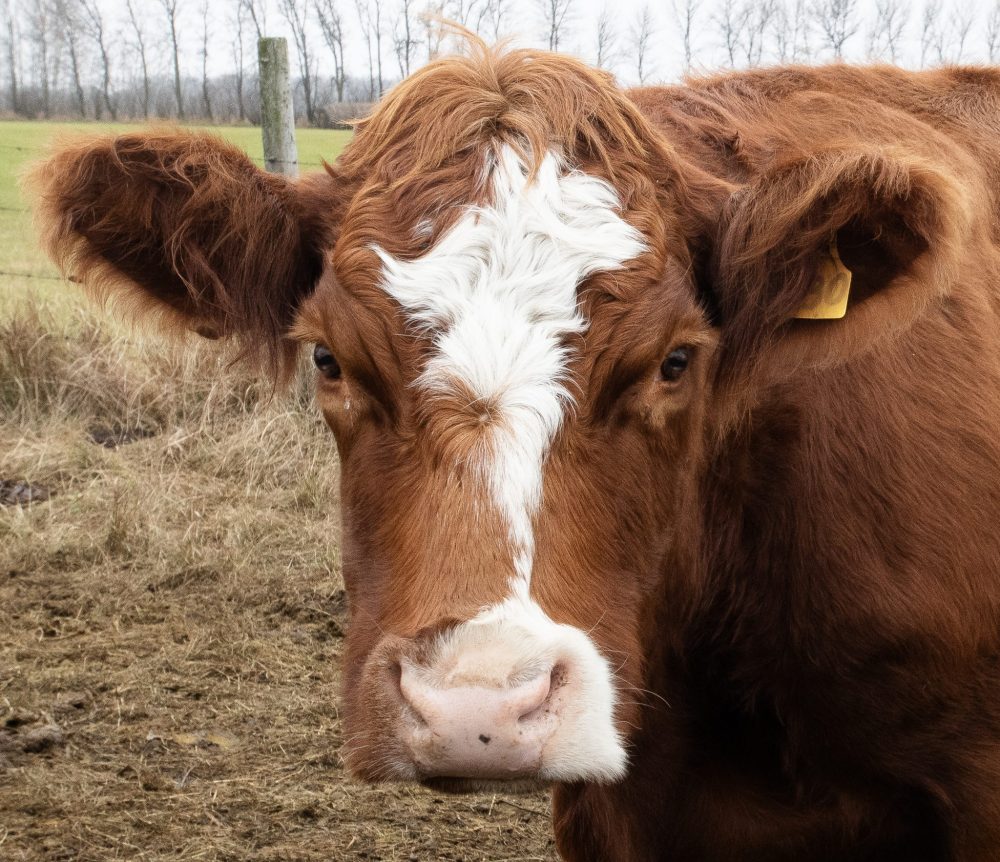
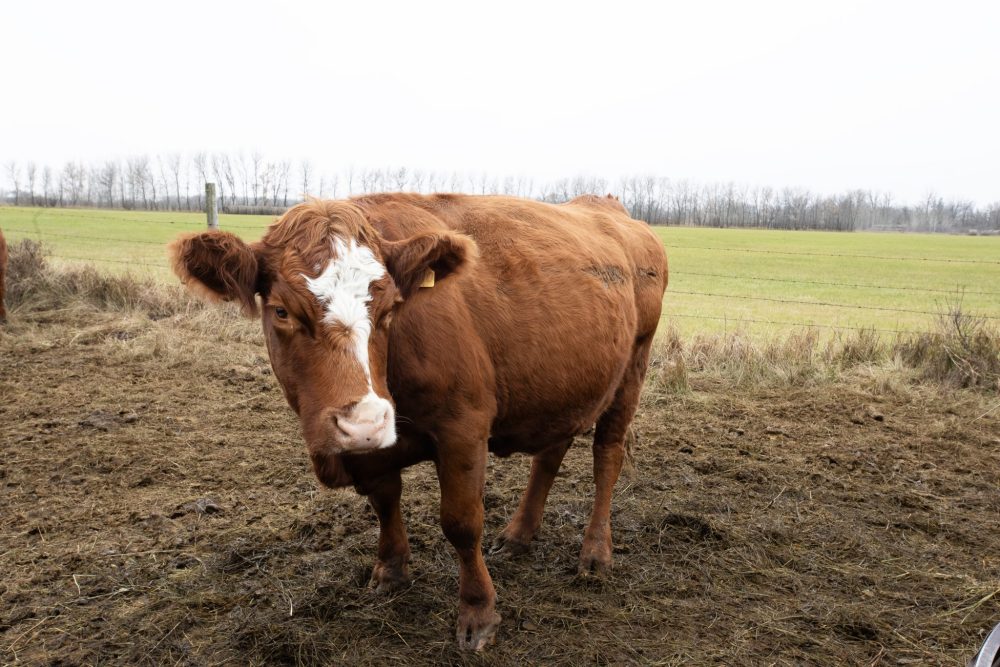
Antonowich said genetics has changed as well. When it comes to breeding, she has kept the bloodline of her cattle docile, especially her bulls. She has also chosen red and black Simmentals for their long bodies as “you get more bang for your buck kind of thing – you’d get more meat out of it.” They are also known for being quiet.
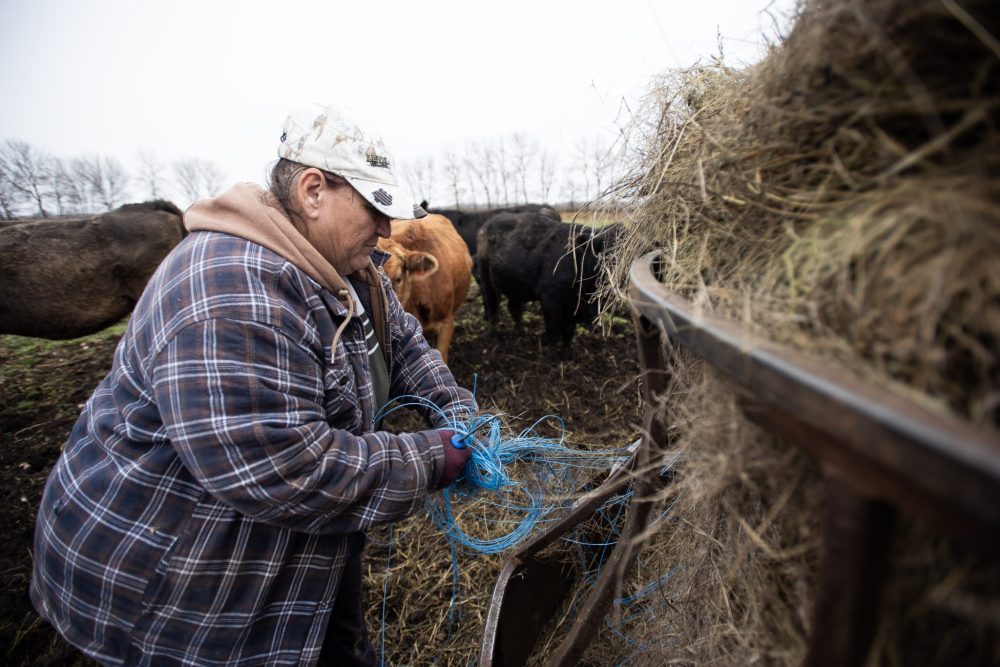
What Antonowich enjoys most about farming is the freedom it gives her. “I like the freedom, that’s true. The freedom is (the) main thing, but it’s…a lifestyle. It’s not a nine-to-five job…some days you’ll work 10 hours or 12 hours and then the next day you’ll work four.”
She’s not sure when she’ll retire or what she’ll do when she does as she loves farm life.
For women who are considering becoming farmers or who have worked on a farm for years, Antonowich wants them to know they are capable.
“(I) don’t (want them to) give themselves limitations. I’ve been saying that all my life. I says, ‘You do not give your(self) limitations. You can do stuff.’ Like, ‘Oh, no, I have to get a guy to do it.’ – You don’t. It’s actually not that hard…and now with YouTube, you can find anything,” she said with a smile.