
Tourists visiting Dugald farm see Bison Bob’s “friendly” herd
Advertisement
Hey there, time traveller!
This article was published 05/05/2024 (728 days ago), so information in it may no longer be current.
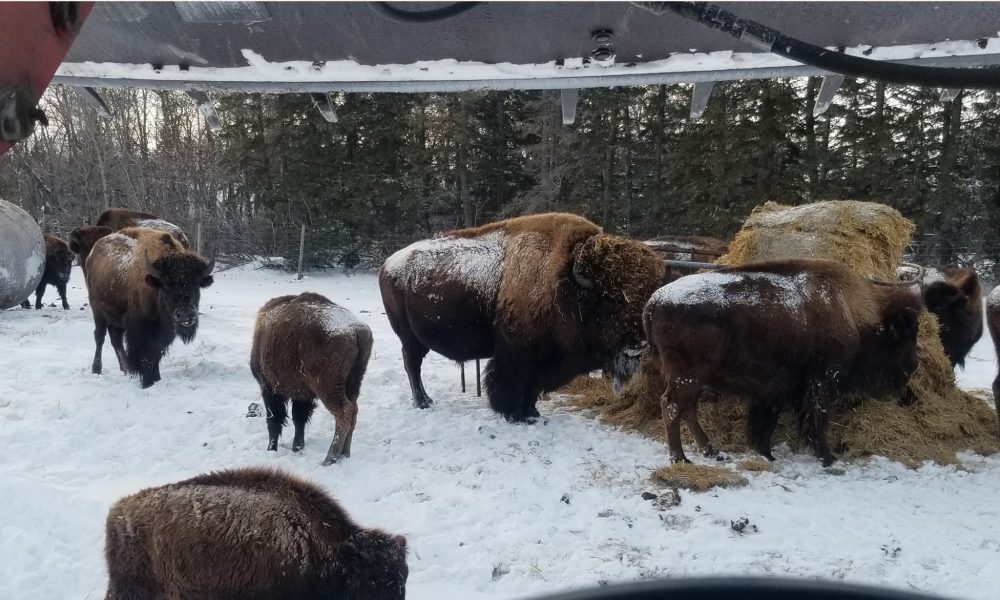
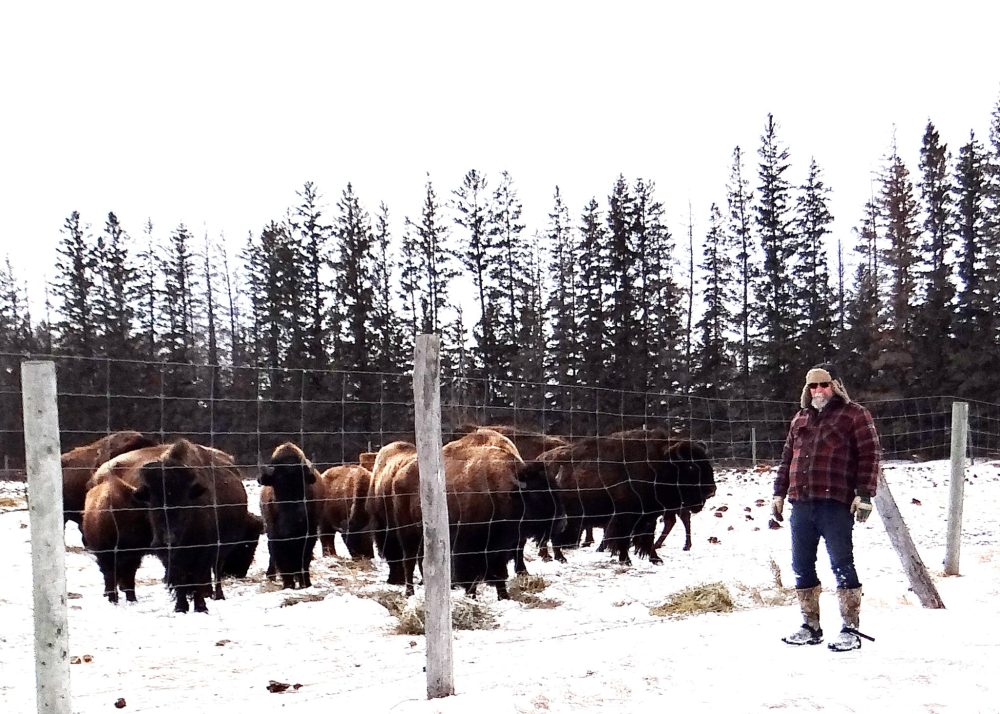
When Robert Thomsen approaches the pasture fence, whether he is alone or with a visitor, his herd of friendly bison comes over to greet him. But they don’t stay long and a few minutes later, they return to the bale feeding station at the middle of the field.
People from all over the world are curious about his bison, according to “Bison Bob”, who has been raising the animals on the family farm near Dugald, as a sideline to his regular job, for over 25 years.
The latest group of foreign visitors came last summer and were from Mexico, arriving in chauffeured truck bearing Mexican government license plates.
“This group had apparently traded for bison that had been raised in Texas and wanted to see how it was done here.”
Other visitors over the years have included a doctor from China, someone from Australia who had relatives here, and visitors from Germany. Bison Bob is always willing to find time to show his visitors around, giving them a close-up view of an animal they may have never seen, except at the zoo. Visitors will stay outside the solid perimeter of the fencing of course.
“My animals are friendly, but you need to watch them and when you put them in a corner while working in their pasture, unfriendly warning signs are immediate.”
When a bison finds it has nowhere to go, it gets angry and starts stomping feet and snorting. The next step would be charging, and at that point it is important never to turn your back on them. Thomsen often enjoys the extra security of being on a tractor when he has work to do inside the fence.
“The bison may do their snorting and stomping, but then they lose interest and wander away, giving time to do what you have to do.”
And when it comes down to it bison are not a lot of work and easier to manage than beef cattle and Bison Bob says that is one of the reasons he has enjoyed raising the animals for the past 27 years.
Thomsen started his bison farm with seven heifers he bought from the Stepaniuks at Rosa, years ago, and since then has grown his herd to 35. Thomsen says that’s about all one person can handle and he says his is definitely a one-man operation, as the fourth generation on the family farm.
Growing up on the family farm, his dad had beef and Bob Thomsen, who was working as a diesel bus mechanic for the Transcona/Springfield School Division, always thought he would like to try raising a few head of bison one day, “when he was older and retired.”
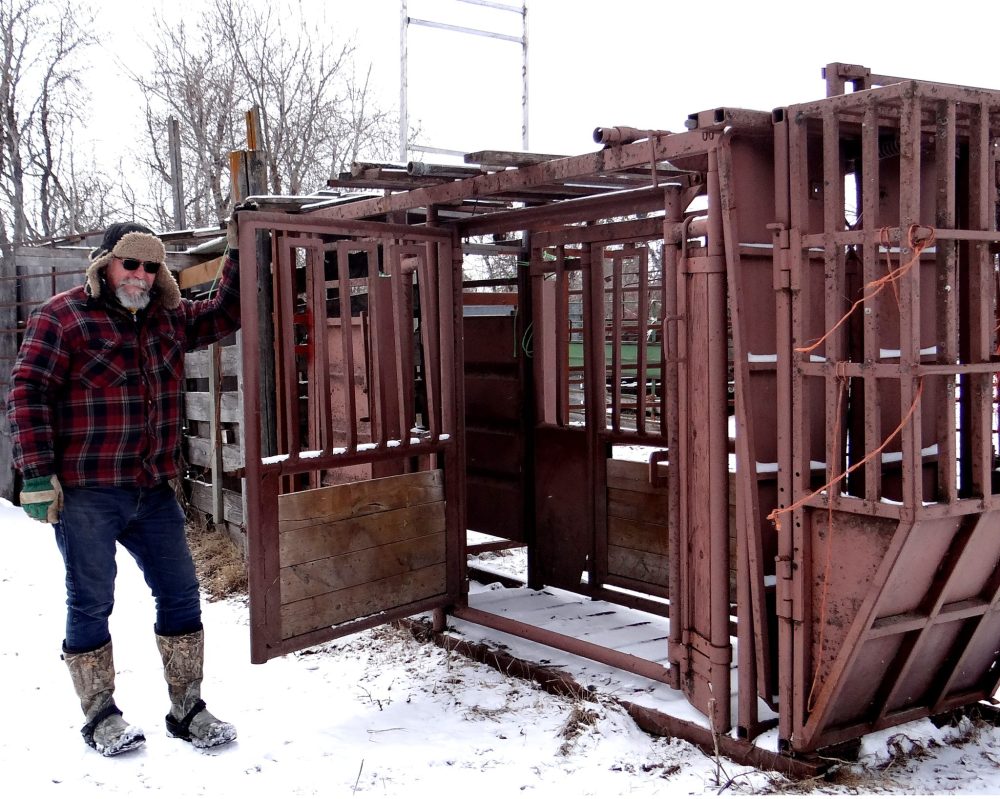
That was nearly 30 years ago, and his wife, Yvonne, urged him not to wait until he retired. Today, he finds that was a great decision, and though he is still working for the same school division (now called Sunrise) as a spare bus driver, he is really enjoying his other career as Bison Bob.
The question of why he is raising bison rather than beef has a really short answer. Bison are less work, and Bob Thomsen says he speaks from experience, for it had been his job to take care of his dad’s beef herd.
It takes a great deal of patience to raise bison for meat. Both bulls and calves need to be fed on hay or green feed and supplements for three years to reach market weight for butchering and meat sales.
Bison are priced on the basis of “hanging weight” which means the animal needs to be butchered before “the cheque is in the mail.”
But that can be worth the wait, for market price for bison in late March was $475 to $550 for finished bulls and heifers. The bigger producers ship to Colorado and move bison to the market by semi load, Thomsen says.
Larger Manitoba producers, like the Stepaniuks’ Roseau River Buffalo Ranch at Rosa, belong to the North American Bison Co-op in New Rockford, North Dakota.
The United States market has been good since the resurgence of the Co-op, which was in financial difficulty years ago and went into Chapter 11 protection before being restructured and making a comeback.
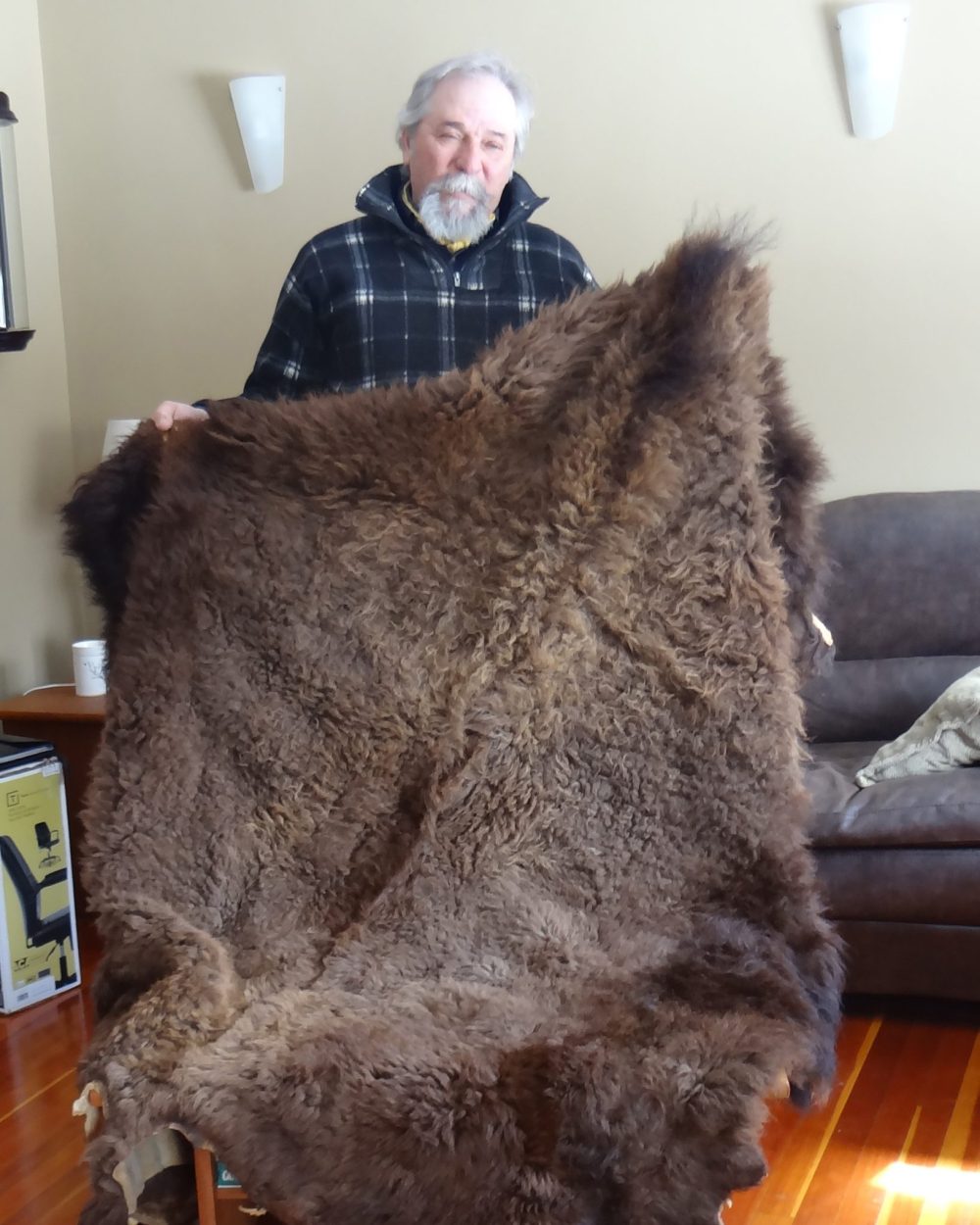
But joining the Co-op is an expensive proposition, unaffordable by a part-time producer like Thomsen. He would have to be a school teacher, not a school bus driver to afford it, Bison Bob chuckles.
On the other hand, the Dugald producer ships his animals to slaughter two at a time and markets the meat locally.
Earl’s Meats in Steinbach processes the bison carcasses for Bison Bob, which are delivered by refrigerated truck from a killing plant in Beausejour.
The whole carcasses are cut into steaks, roasts and ribs and a portion is processed as value-added bison meat products. Steaks and roasts are aged at Earl’s, and packaged and delivered to Bison Bob who takes care of his own marketing.
Earl Funk says bison patties are seasoned with Sals Steakhouse seasoning while jalapeno/cheese and regular smokies are created as well. Bison farmer sausage is made, using Earl’s recipe, as are bison sticks, which are much like Earl’s pepperettes.
Funk says the bison from Thomsen are usually about 450 pounds apiece and are very easy to cut.
“Bob does a great job of raising them and his is a good product. Occasionally, I will buy a quarter myself to sell in my store.”
Whenever Bison Bob’s stock of bison meat begins to dwindle, Earl’s Meats will get a call to schedule the processing of another two animals. He handles about eight to 10 animals a year for Thomsen, Funk says.
The latest batch of bison meats available from Bison Bob was fresh from the processor the last week in March, ready for another round of internet sales.
Thomsen counts on farm gate sales through word-of-mouth sales and his Facebook page on social media.
Customers pick up their orders at the farm and every Wednesday during the summer months Bison Bob can be found at a farmers market at the West Broadway Community club in Winnipeg.