Grow Hope addresses global food insecurity thanks to Canadian farmers
Advertisement
For the past 10 years, the Mennonite Central Committee’s Grow Hope has been addressing global food insecurity by enlisting farmers to donate their time and fields to growing grains which are sold for a profit and the money distributed to people in need.
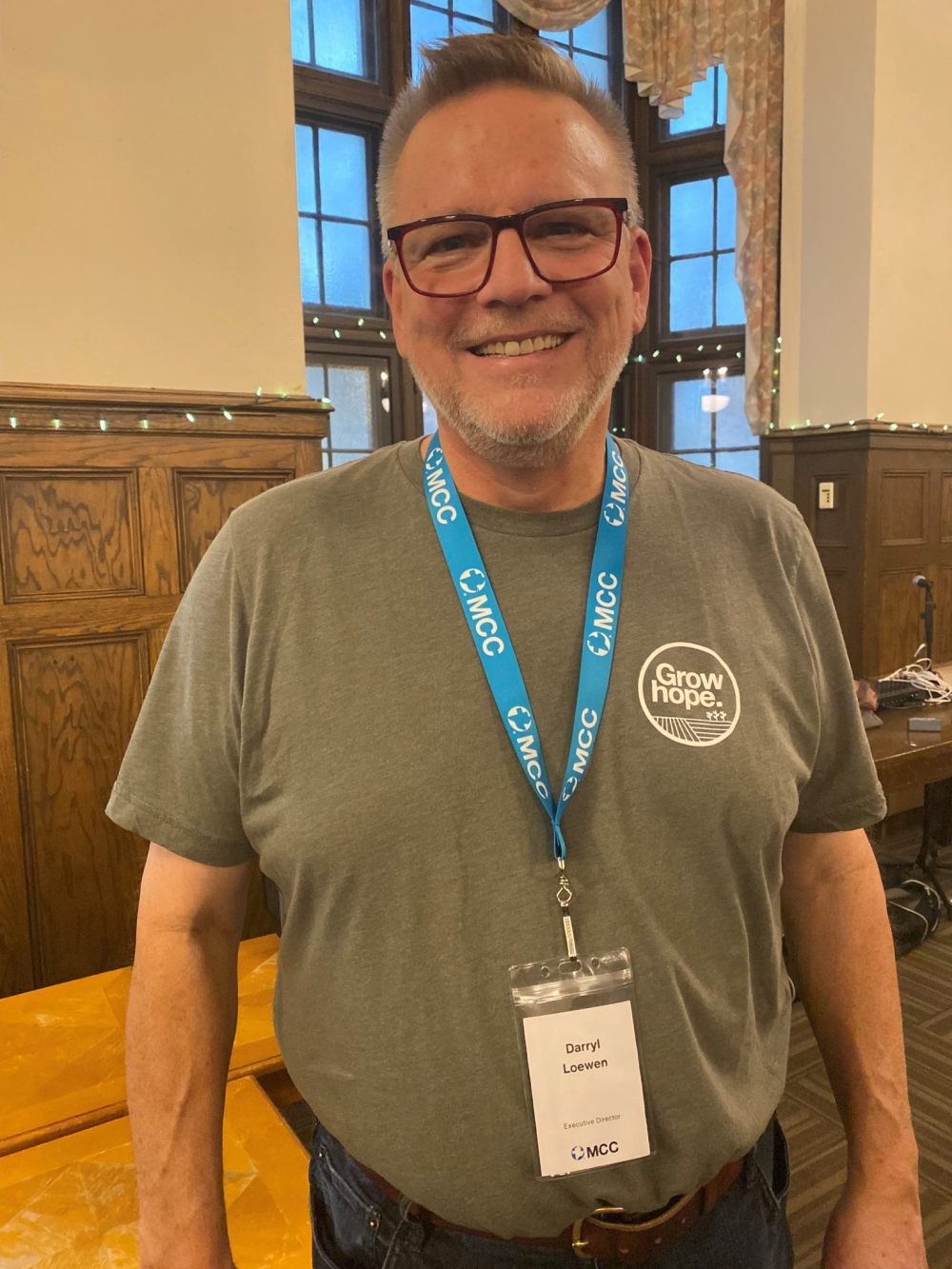
“It’s lovely to celebrate 10 years because every new initiative has a first year, and yet you wonder how it will grow over time. It’s grown to a pleasant size for us at MCC Manitoba,” said Darryl Loewen, executive director.
Grow Hope began when Niverville farmer Grant Dyck had the idea to donate some of his land to grow food for the hungry. He approached MCC Manitoba staff to run a program similar to the ones being run through the Canadian Food Grains Bank (CFGB). The difference with other CFGB programs is that MCC Manitoba would manage it, recruit farmers, and recruit donors.
“The notion being that we put food producers together with food consumers, rural and urban, and connect people in the effort to address food security around the world,” said Loewen.
The CFGB is a Christian organization comprising of 15 Canadian churches and church-based agencies, who work with locally-based organizations in developing countries around the world to end hunger. Most responses are either short-term emergency projects or long-term development projects.
Grow Hope farmers collectively grow between 300 to 400 acres of grain (for example peas, corn, wheat, canola, oats, and/or flax) and then sell the grain, giving the money to the CFGB MCC Manitoba account and that amount is then multiplied by a donation from Global Affairs Canada. Donors cover the farmers’ input costs and this year $128,328 was raised as of Oct. 31. This represents about 367 acres of a goal of 450 acres, which is 81 percent of MCC Manitoba’s goal for 2025. Each acre costs $350. The multiplier for this year by the government is unknown at this time.
Loewen said the donors who give to Grow Hope are people in the pews. One of those donors is Daniella Rempel from Winnipeg. She has been a donor to the project for several years and found out about it by reading the newspaper. She said it was a tangible way of helping developing nations and the people who live there. She thinks the farmers who volunteer their time and resources are exceptional. She feels good about donating every year.
“It’s a game changer for many of these families. And also the leverage and also you get an income tax deduction as well when you file your tax return. So, it’s a win-win situation for people like myself, and the real win-win situation for these global community people that need the food security, need the help.”
Rempel also liked that the money gets multiplied by the government.
“You get a lot of bang for your buck,” she said.
Since 2015, Grow Hope has raised more than $1.9 million to fight food insecurity in developing nations.
In 2016, MCC Manitoba, farmers, and donors raised money for Syria during its civil war. Loewen couldn’t say how much was raised as it was part of a larger fundraising effort, but he did say the Syria project for a number of years became the second largest designated project anywhere in the world with MCC until that time.
According to MCC Manitoba, in 2016 the organization received $47,225 in acre sponsorships from donors, which turned into $90,814 in crop proceeds, which were sent to fund CFGB projects. Money given to CFGB in 2016 was multiplied four times by the federal government.
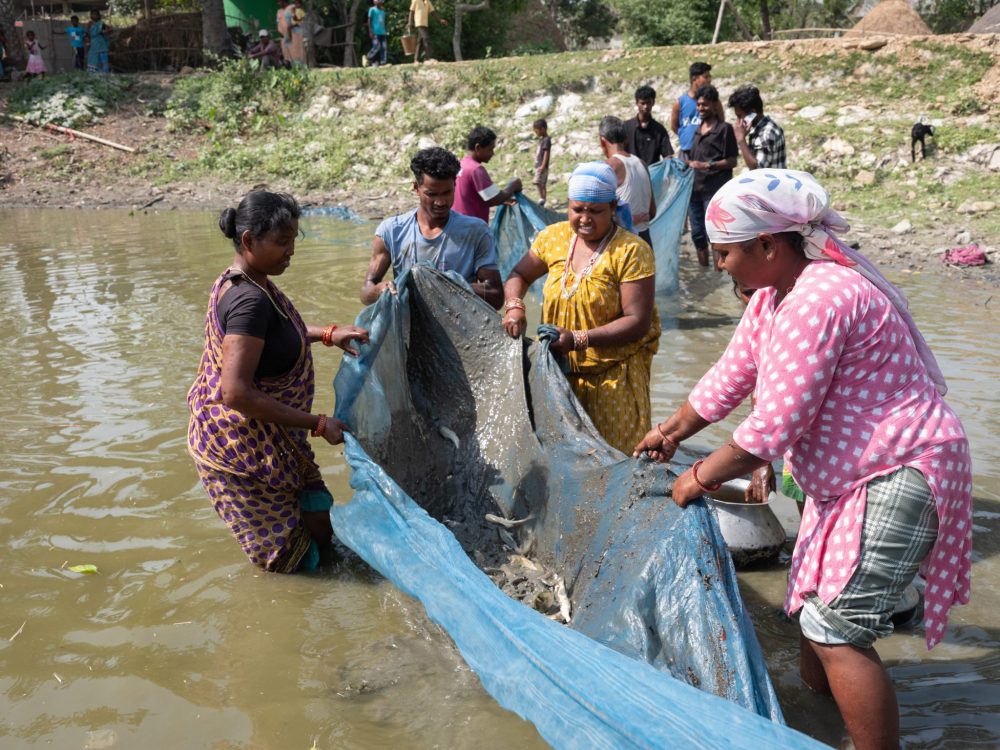
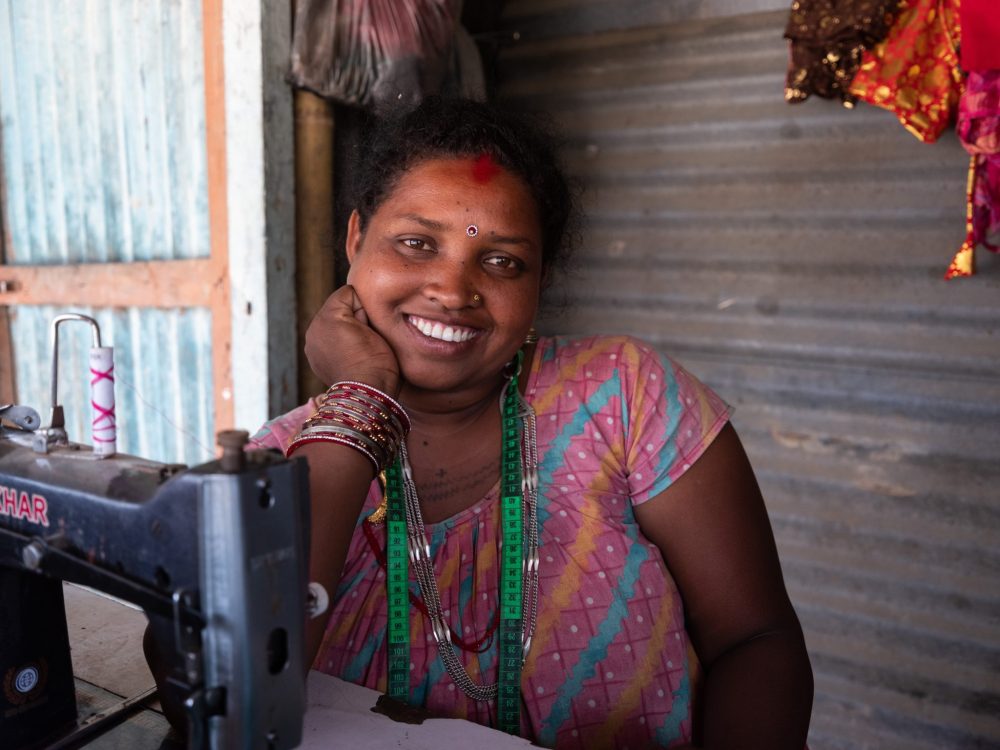
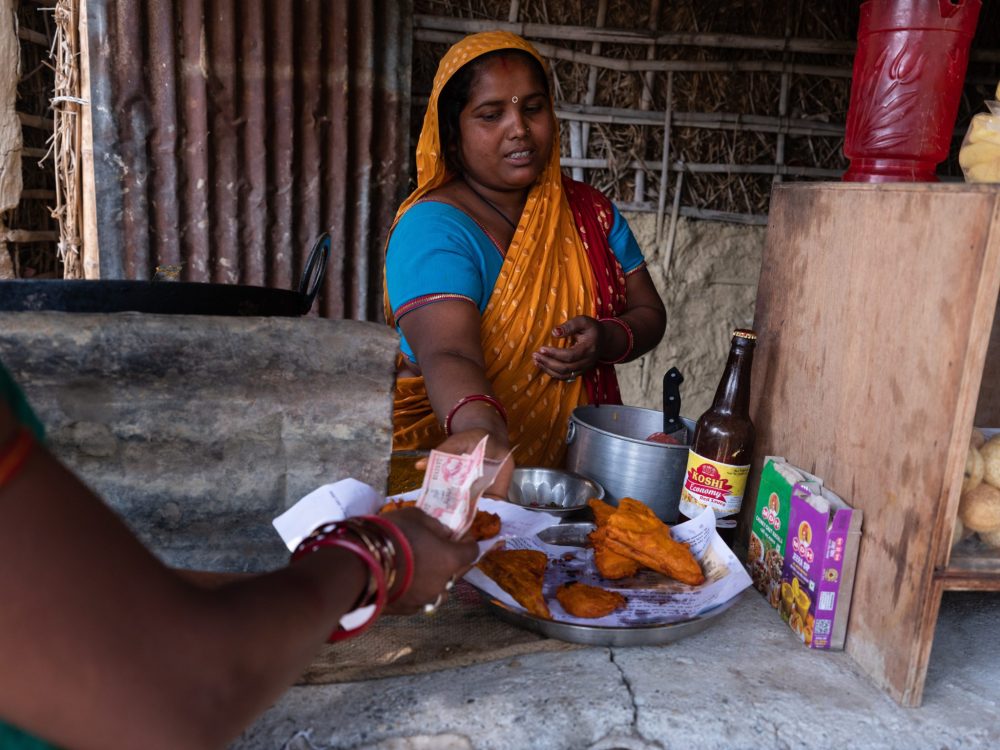
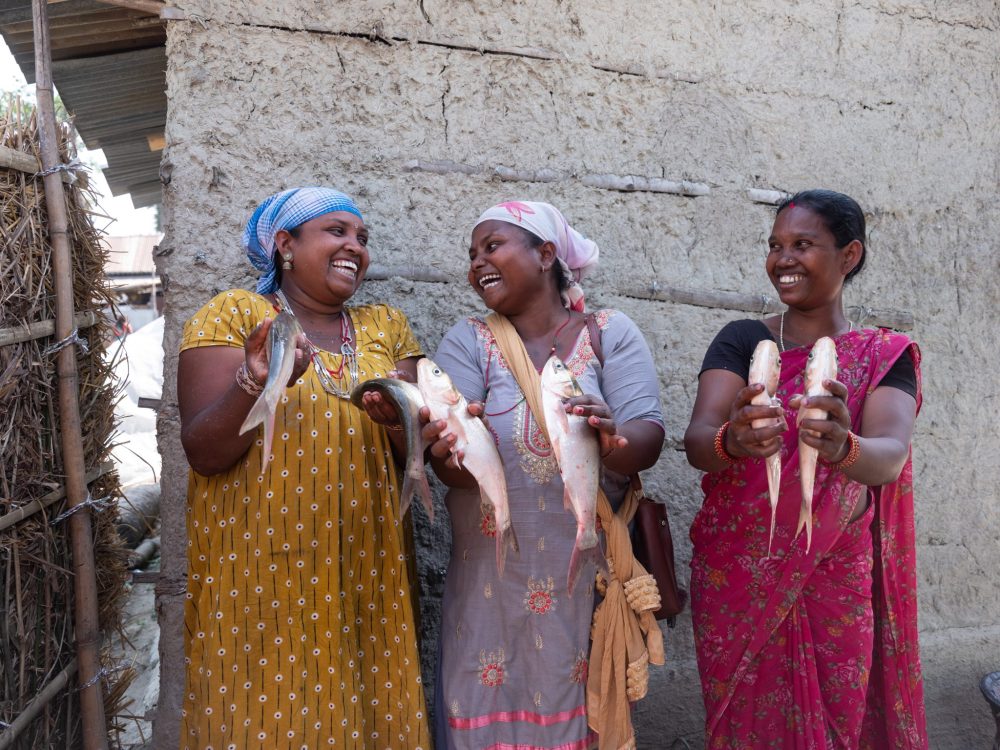
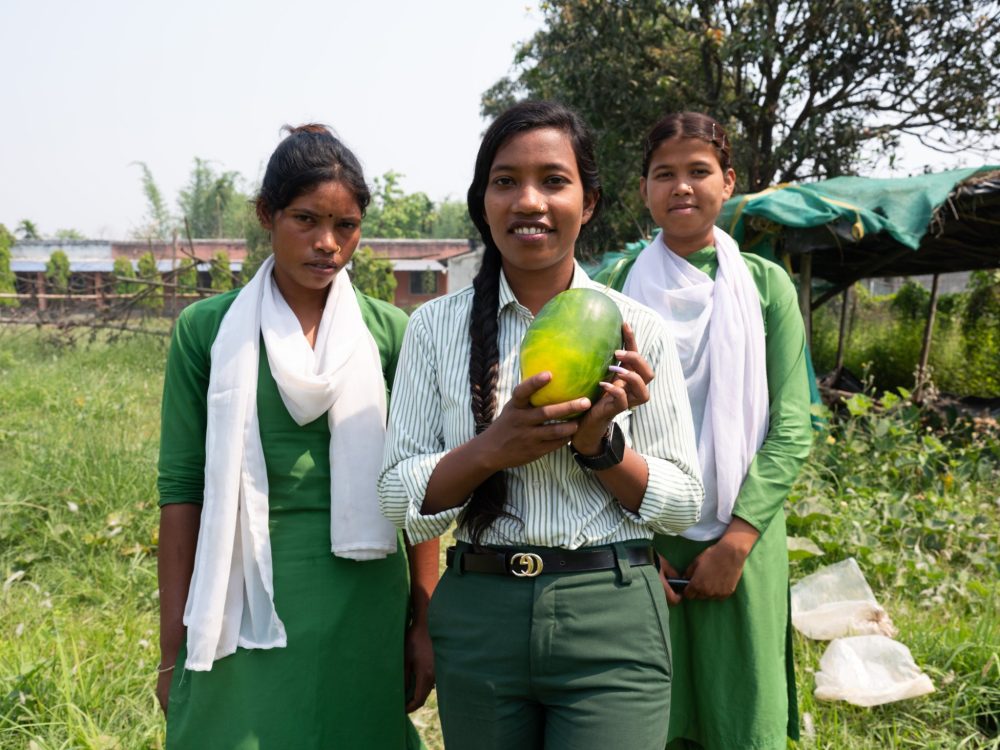
MCC Manitoba supports rural food projects in 46 countries around the world. One of the projects supported by MCC Manitoba is in Nepal, where women are given money to grow gardens and the food they raise supports the family nutritionally and financially, while the men do day labour jobs. The money the women earn can then be used to create fish ponds or for egg production, for example, and eventually they can take that money and own a shop or food stall.
“So, it turns you from a day laborer into a multi-cropper, and a diversified agricultural farmer…in some measure, (there is still day labour), but decreasingly over time. Once the household production has capacity, then there’s less need to do day labor. Or maybe one adult parent can do some day labor while the other farms,” said Loewen.
“Most of the world’s farmers are women, especially in the global south. They manage the yard, they manage the production, they manage the children. And men might be further away in day labor or short-term, that kind of thing.”
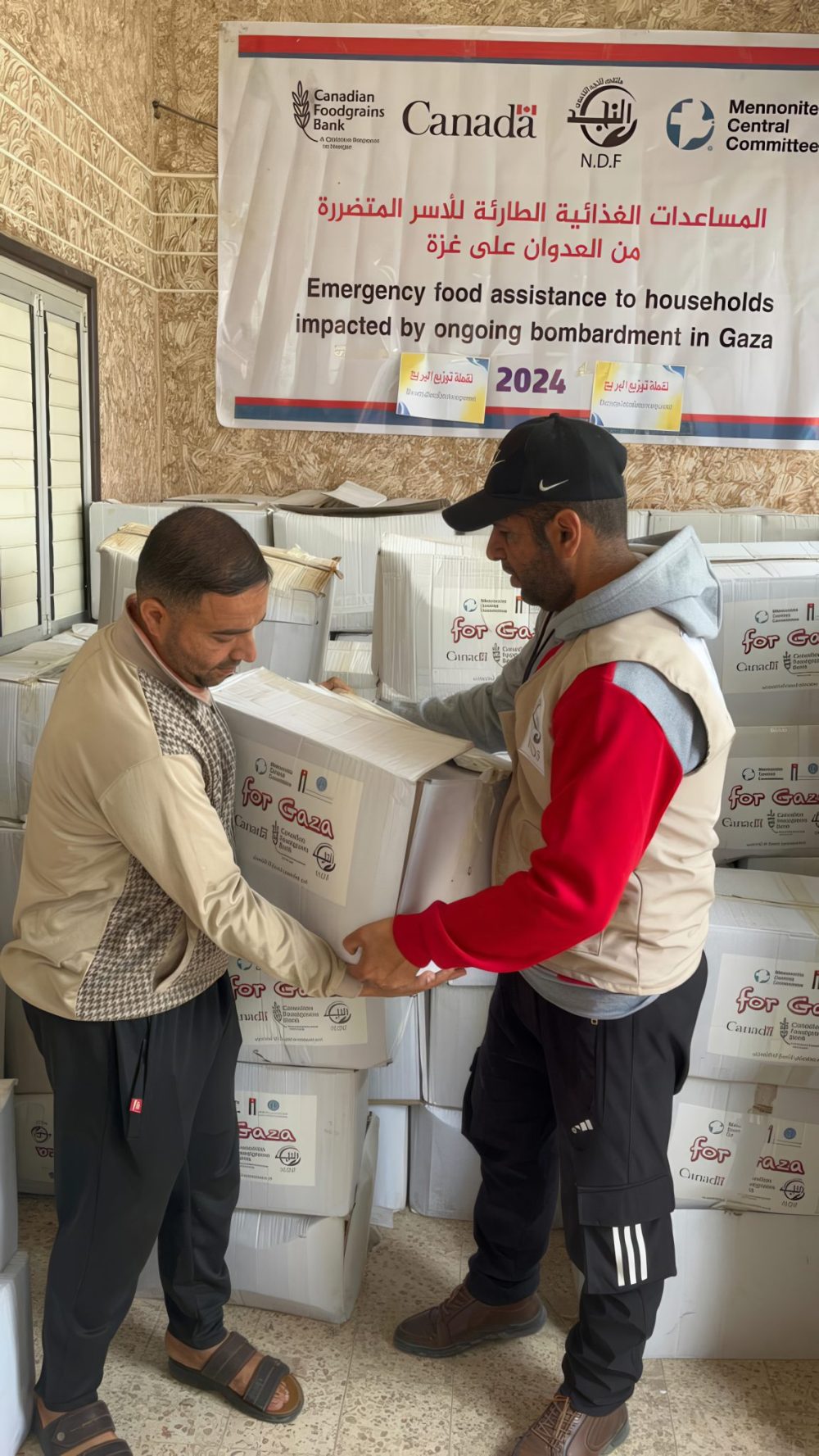
Recently, MCC Manitoba through CFGB has been helping with aid going into Gaza. About two million Palestinians are trapped in Gaza and are short supplied with food, drinking water, medicine, and safe shelter due to Israeli attacks. Food parcels distributed by MCC partner Al-Najd Developmental Forum in the Grow Hope program, will see MCC send six shipments of emergency food to support 2,000 families — approximately 12,000 individuals — over the course of the project. This relief is specifically directed towards families with exceptional needs, including families that have lost their primary caregivers, have members hospitalized or families with special needs like diabetes, disabilities or other sicknesses.
This year, MCC Manitoba has six farms contributing to Grow Hope, the largest farming group was seven. One of the farmers involved in Grow Hope is Edward Wollmann from Springwinds Colony, three miles south of Sperling, who grew 40 acres of grain consisting of peas, wheat, canola, and flax for MCC Manitoba.
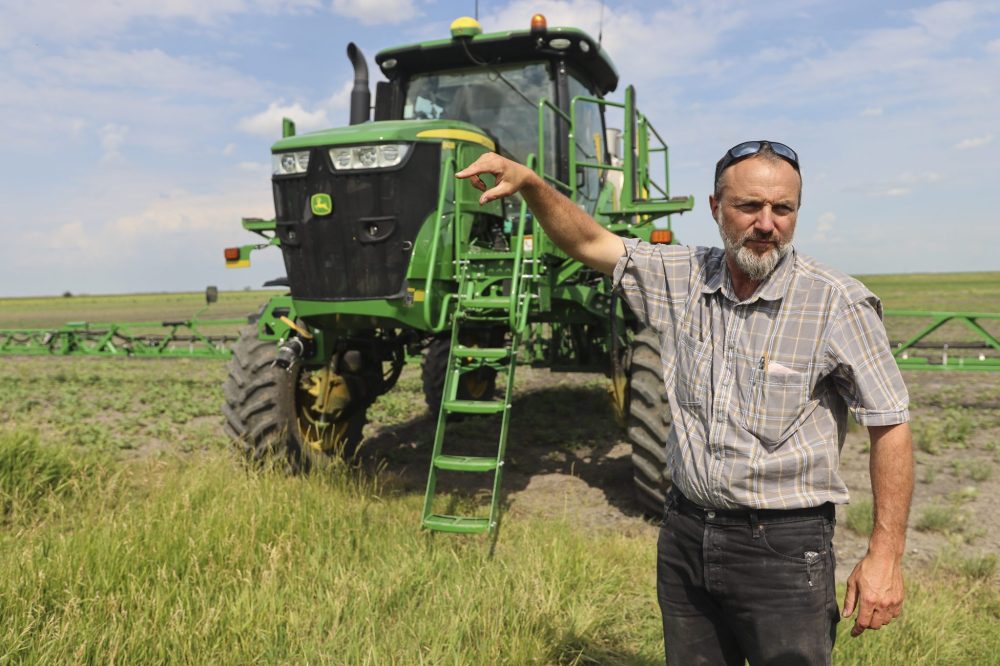
“(We do this) to reach out to help the poor. To help somebody in (a) Third World country who is not as lucky as we are? Give them a chance at life? As I said to Darryl, I’m glad we’re doing this,” said Wollmann.
Wollmann said it’s difficult being a farmer as you’re dependent on the weather and commodity prices as the cost of everything else keeps rising.
As it was a dry year, he said his pea and wheat prices were down to $7 per bushel. He said on the high end he has received $11 for peas and has sold his wheat for as much as $13. As for canola, he said its prices are fluctuating and right now he is getting $14.
“Several varieties we try this every year. I try 80 or 160 acre piece of a new variety of wheat. If it yields what we’re growing then I’ll plant one variety, stick to this variety, that’s better than what we’re doing. Canola same thing, trying new varieties every year.”
Wollmann said when prices are down he’ll store the crop until prices go up and he can earn more. He said the international market for wheat is tough as countries like Brazil, Argentina, Russia, Ukraine, and Australia have a surplus which brings the price for wheat down internationally.
“We haven’t sold at a loss in the last 10 years. We haven’t sold our crops at a loss, but we’re close right now. It’s tight,” he said.
He said the colony has donated anywhere from $18,000 to $32,000 in crops to Grow Hope. He wants to spread the word to other Hutterite colonies as he thinks they will jump on board if they knew about the program.
“It’s a great project. I’m honoured to be a part of it.”
The Grow Hope program has spread to MCC Saskatchewan, MCC Alberta, and MCC Ontario. Loewen said the program has been replicated by other church denominations and account holders with the CFGB.
“So, it’s growth by replication, which is exciting,” he said.