
Federal and provincial governments fund extension of farmer wellness program
Advertisement
The federal and provincial governments have extended their financial support for the Manitoba Farmer Wellness Program by investing $300,000 over two years through the Sustainable Canadian Agricultural Partnership.
The program, which was started in 2022, has seen the numbers of farmers accessing counselling double year after year, according to the program’s chief administrative officer Gerry Friesen.
“We were very excited to hear (about the funding),” said Friesen. “It’s ongoing support from them and obviously what it does is it helps us carry on with the services that we provide to the farming community, particularly farmers, their spouses, partners, kids over the age of 16 and farm employees. So, our numbers have been increasing steadily and so every dollar counts as it were.”
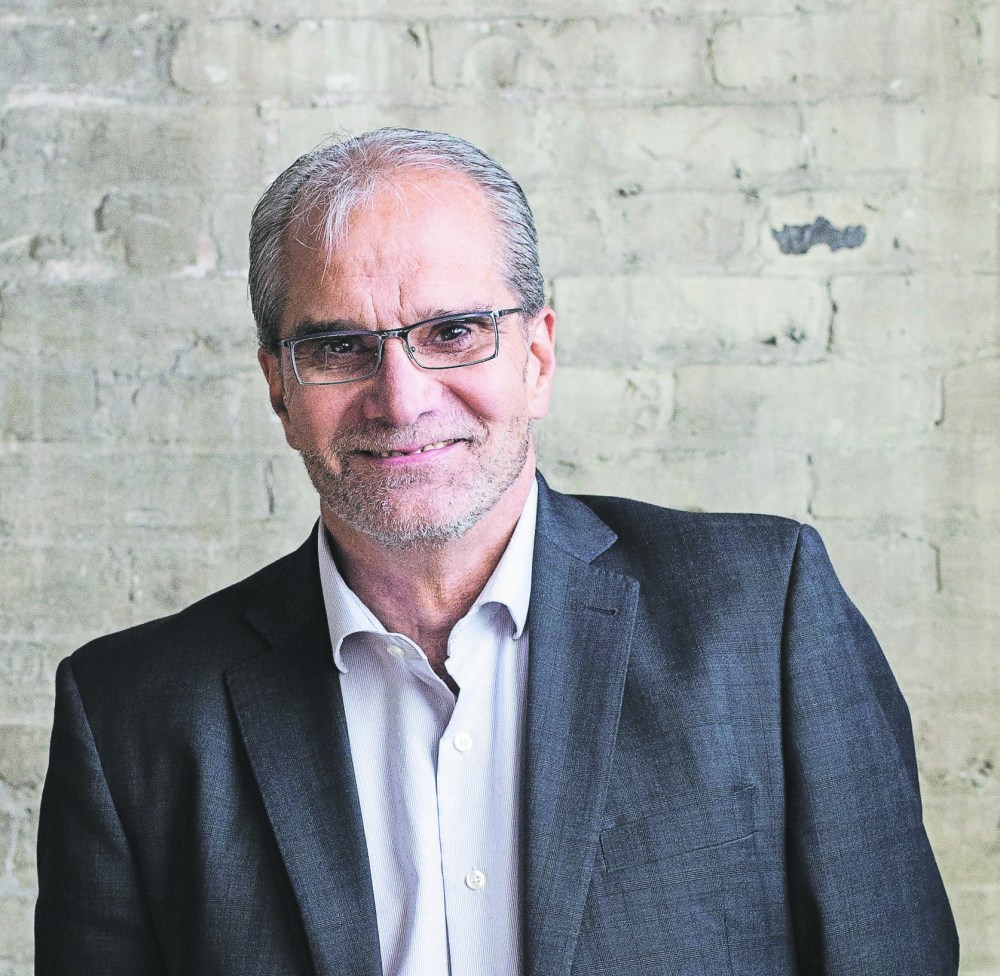
Friesen said there are more mental health issues facing farmers today than in the past as “farming isn’t getting less stressful, put it that way.”
“And there’s so many uncertainties and very often uncertainties is what drives the stressors in farmers, you know, with trade stuff going on, government policies, excessive moisture in some areas, drought in other areas, there’s been the avian influenza. And so, these are things outside of the control of farmers that really are a concern.
“The second piece to that is there’s always been a stigma associated with mental health issues. And we feel, and we can see it across Canada, that the stigma is reducing. The conversation about mental health issues and farming is becoming more normal and so there’s a higher level of comfort for folks to reach out.”
Friesen said women are more likely to call into a support help line than men because men have been socialized to “tough it out.”
“There’s a statement that goes, ‘Women talk, men kill themselves.’ And I know that sounds harsh, but that’s a reality. When you look at suicide numbers…If you look at suicide statistics by far the highest percentage is men.”
He added that, “We were socialized when I was growing up that that’s when you have issues like that, you have to tough it out. If you had issues that meant you weren’t working hard enough, your faith wasn’t strong enough. And so there’s always been that stigma, particularly with men, and not wanting to reach out.”
Canadian Mental Health Association CEO Teresa Dukes agrees with Friesen in that men are conditioned to tough it out. She also said access to firearms and a lack of mental health resources in rural areas also contribute to poor mental health outcomes for farmers. Dukes shared some statistics regarding farmers in Southern Manitoba and those who live in rural areas.
She said 27.3 percent of Manitoba farmers are identifying high stress due to a number of factors like finances, weather, operational pressures, and 50 percent meet the criteria for anxiety. She added 40 percent are reluctant to seek help and that suicide rates are also higher in Southern Manitoba at 13.9 per 100,000 people, which is above the national average of 10.9.
“And then men die by suicide three times more often than women, especially those that live in rural and remote (communities). I mean, there’s a number of groups that are kind of at risk. The older adults, especially older men, have the highest rate of suicide in rural areas,” she said.
The Manitoba Farm, Rural and Northern Support Service was created about 20 years ago by Friesen and run by Klinic Community Health, according to external lines coordinator Carla Chornoby. She said the crisis line receives less than 100 calls a year from farmers as 40 percent of farmers reported that they would feel uneasy about seeking professional help due to what other people would think of them.
She also noted the average age of a farmer is 55 years old and that farmers are 20 to 30 percent more likely to attempt suicide compared to other occupations.
Chornoby also agrees with Friesen and Dukes as to why male farmers don’t seek help as opposed to female farmers and female spouses. She also said male farmers usually can’t name the emotions that their experiencing and that they usually wait until the last minute to seek help or don’t seek help at all. She also noted that addiction becomes a coping mechanism for some of these farmers when dealing with stress.
“When folks aren’t dealing with the feelings that are coming up for them, or know how to manage those feelings, what folks do, across the board everywhere, is people use substances to deal with those emotions, to numb out those emotions that are coming up. And that’s something our counselors will talk about,” said Chornoby.
She noted men’s support groups are growing in Manitoba and that a community level support system is important, such as the Southeast Men’s Group with chapters in Ste Anne and Steinbach.
“How do we manage those emotions in a healthy way? And I think that has to be at a community level within each community. Men’s groups like you were talking about, more of those and just that it’s okay to seek professional help or even supports within our family.”
The government of Canada is engaging provincial and territorial governments, Indigenous partners and key stakeholders to develop a men and boys’ health strategy. The goal is to create supportive and safe environments, challenge harmful stereotypes, reduce stigma and encourage men of all ages to seek help when they need it, according to the government’s website. A questionnaire is available for males to answer until June 1 at canada.ca/en/health-canada/services/healthy-living/improving-health-men-canada.
Friesen, who has suffered his own mental health struggles as a farmer, has three points he wants farmers to take away with them when they are under stress and looking for help.
“I always say three things. Number one is, you are not alone…The second message is, it’s more than okay to reach out for help. And the third message is, there’s hope and there’s relief.”
Farmers seeking help should call the National Farmer Crisis Line at 1-866-327-6701 or the Manitoba Farm, Rural and Northern Support Service at 1-866-367-3276.