
Regenerative farming: Overby shares his insight with neighbors to the north
Advertisement
A North Dakota grain producer has taken crop diversity to a whole new level with the addition of a wide variety of crops to a regular rotation, as he practises regenerative farming methods on his 1,800-acre farm, just south of the International Peace Gardens.
Paul Overby shared his insight with a large group of farmers at the fourth annual Regen Day hosted by the Seine Rat Roseau River Watershed District at Friedensfeld Community Centre in February.
Overby told farmers that regenerative farming practices were a way to enrich the soil and improve watersheds, while at the same time, increasing yields and resistance to climate instability.
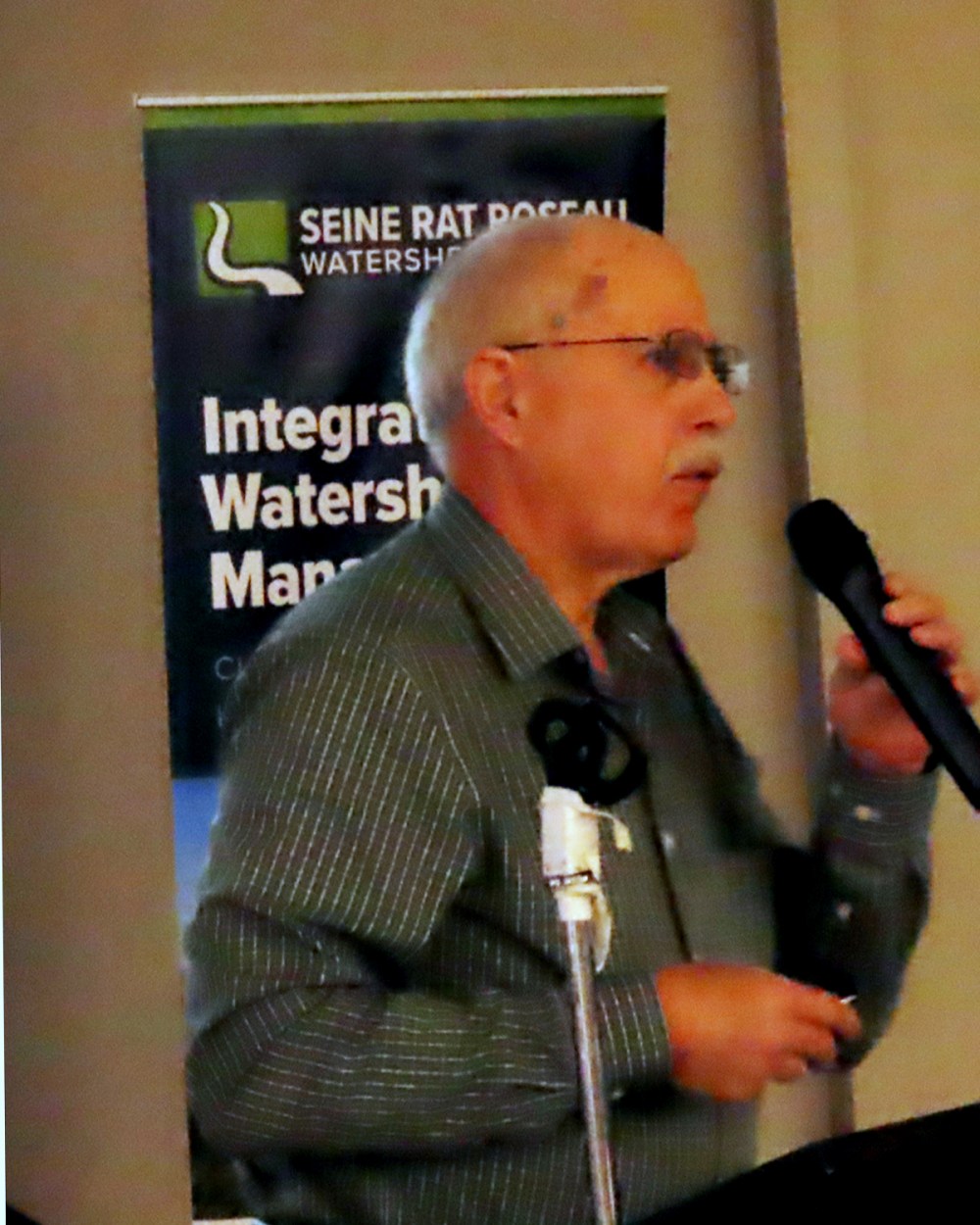
Paul and his wife Diane operate a leading-edge regenerative agriculture farm, raising a diverse mix of canola, flax, field peas, hard red spring wheat, millet, oats, sunflowers, and soybeans.
The farm has been “no-till” since 2006 and fields are zoned for variable rate nutrient management, Overby explained.
Since 2011, the Overbys have worked to include cover crops in the rotation. The farm also has rotationally grazed pastures, mixed forage buffers on wetlands and field edges, and permanent vegetation on low-productivity soils, not to mention, many acres of wildlife habitat.
Overby said as they learned more about regenerative agriculture, they reduced the use of fungicides and the planting of cover crops started becoming important.
“When we plant cover crops, we also use a diverse mix of species such as buckwheat, peas, lentils, radish, clovers, flax, triticale, and oats.”
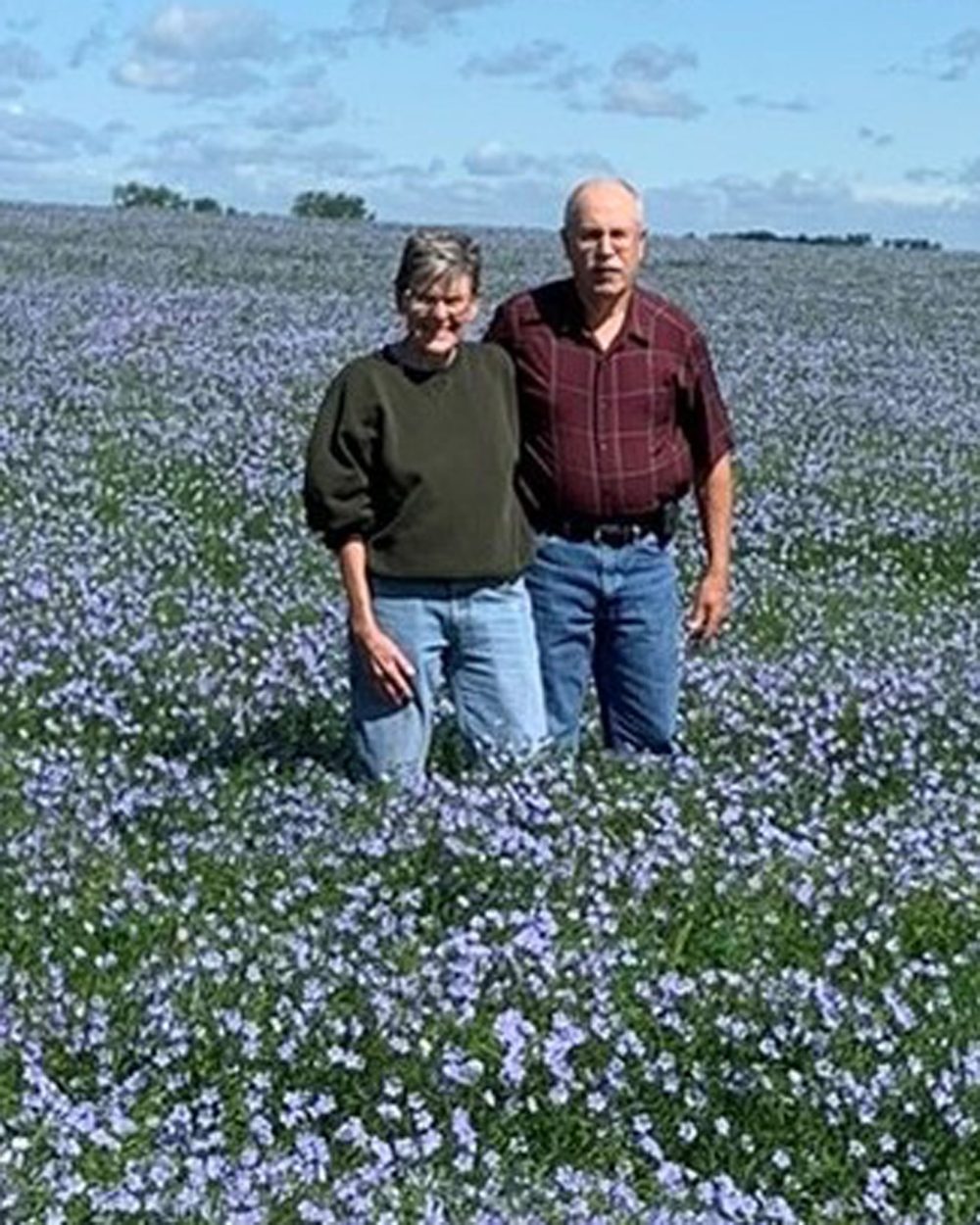
The mix depends on the time of planting and the crop it is following. For example, cover crops following oats are going to have more broadleaf species and when following field peas, the cover crop will have more grass species.
“In 2025 and again in 2026, we are adding winter camelina to our rotation. This is a crop used for sustainable aviation fuel.”
Camelina is planted in the fall, so it saves time in the spring, and because the crop is harvested in July, it further spreads out harvest and gives the Overbys a bigger window for growing cover crops.
Because there are only 1,250 crop acres at Lee Farms, some of the crops don’t require a lot of storage capacity. In a way that has resulted in substantial savings on bin storage costs. The Overbys are able to efficiently use smaller, 2,000 to 4,000 bushel bins, instead of absorbing the cost of building new, big bins.
“We have been able to buy the smaller bins from other farmers cheap because otherwise they sell them for scrap or simply crunch them up and bury them.”
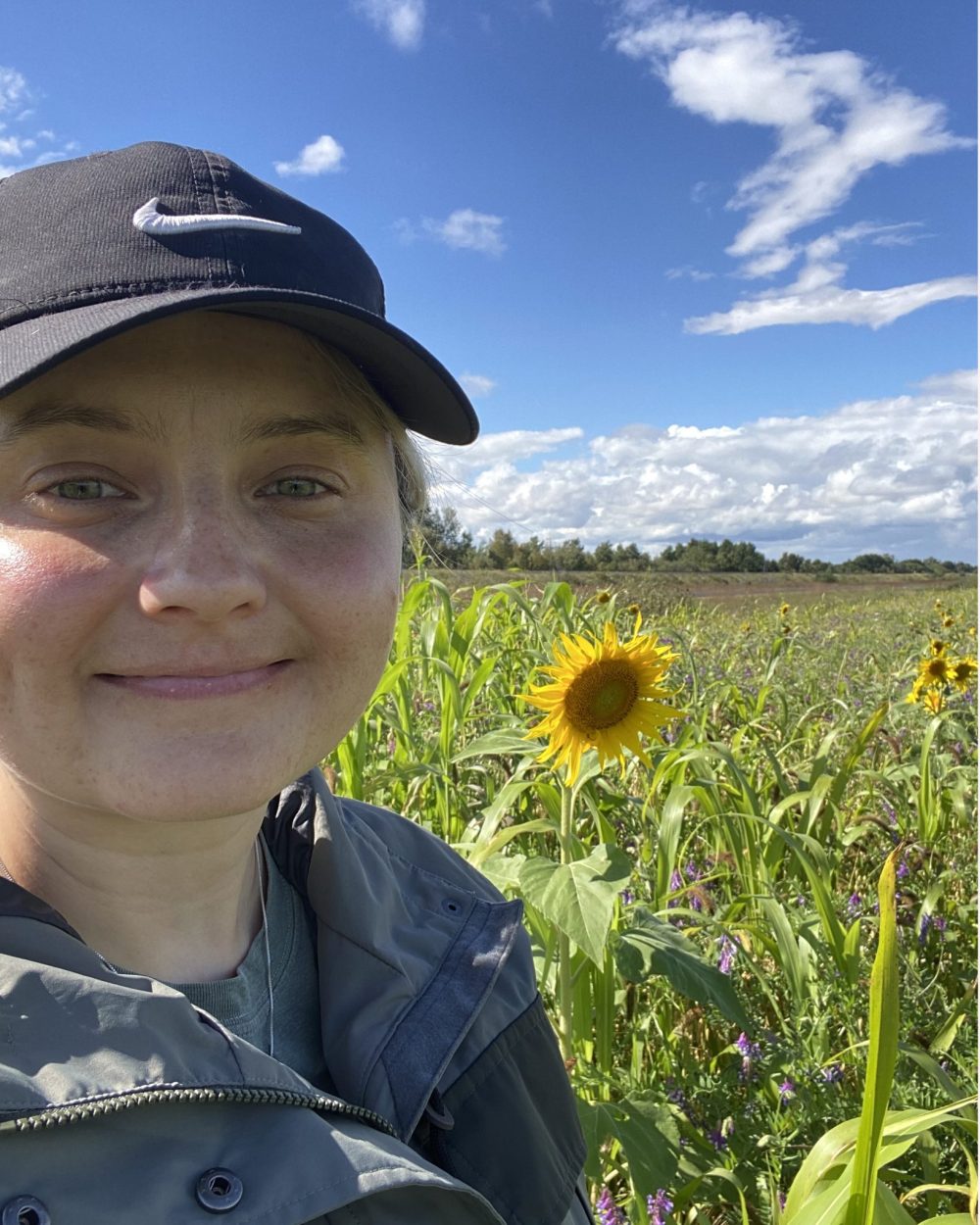
Overby was the first of two guest speakers at the SRRWD’s annual Regen Ag Day.
The second speaker was Scott Beaton, a first generation mixed farm in the Stonewall area, who is trying to increase the biodiversity of his farm by using shelterbelt planting, and the use of perennials and planting pollinator strips.
Beaton, who grows organic grain and raises grass-finished Angus beef cattle, talked about conservation on his farm. Thirty percent of his small mixed farm is dedicated to habitat conservation, he said.
Both speakers stressed that using regenerative farming practices was an important aspect of land stewardship.
Regen Ag Program Coordinator Virginia Janzen outlined programs and the funding available for farmers in the SRRWD. A wide variety of projects, including planting cover crops, nitrogen management, and rotational grazing are supported by the watershed district.
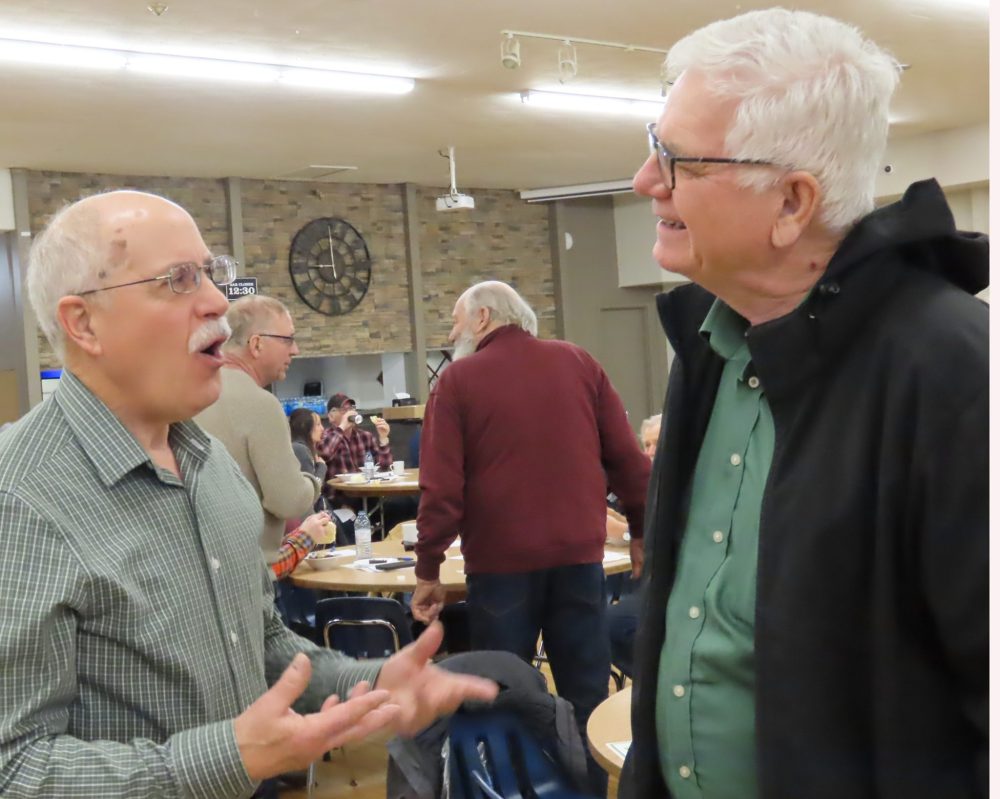
Janzen said over the past four years a variety of speakers from Manitoba, Saskatchewan and North Dakota have shared their experiences in regenerative agriculture at Regen Day, talking about both the challenges they have faced and the successes they have enjoyed.